Kale
Kale (Brassica oleracea, variety acephala) is a loose-leafed, edible plant belonging to the mustard family and is closely related to cabbage. It is a hardy…
What is Kale?
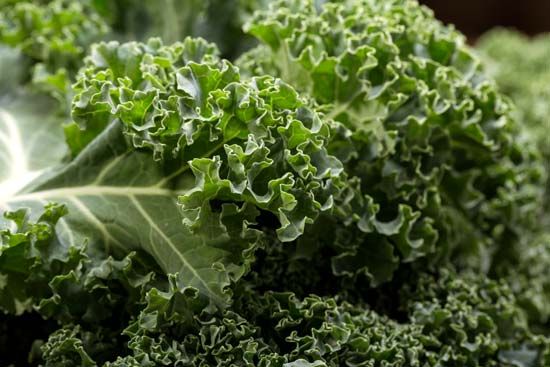
Kale (Brassica oleracea, variety acephala) is a loose-leafed, edible plant belonging to the mustard family and is closely related to cabbage. It is a hardy, typically biennial plant known for its rosette of elongated, wavy, or frilled leaves, which can range in color from blue-green to red or purple.12
Often considered a nutritional powerhouse, kale is a rich source of vitamins A, C, and K, as well as calcium, iron, fiber, and protein. Research suggests that consuming kale may help combat conditions such as heart disease, cancer, and macular degeneration.12
Kale is primarily harvested in autumn and winter, as cold temperatures improve its flavor. It can be enjoyed raw in salads, steamed, sautéed, or baked into chips. Varieties include the popular curly-leafed types and Tuscan kale—also known as lacinato or dinosaur kale—which features long, dark, wrinkled leaves.123
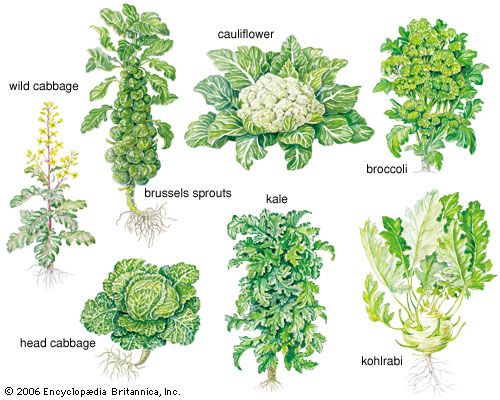
What other vegetables belong to the mustard family?
The mustard family, known scientifically as Brassicaceae, includes a wide variety of economically important vegetables. These plants are often referred to as “crucifers” or “cruciferous” vegetables because their four-petaled flowers are arranged in the shape of a cross.5
Many common vegetables belong to the genus Brassica, which is a major group within this family. These include:
- Broccoli
- Brussels sprouts
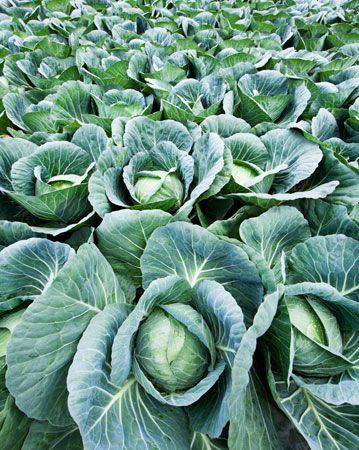
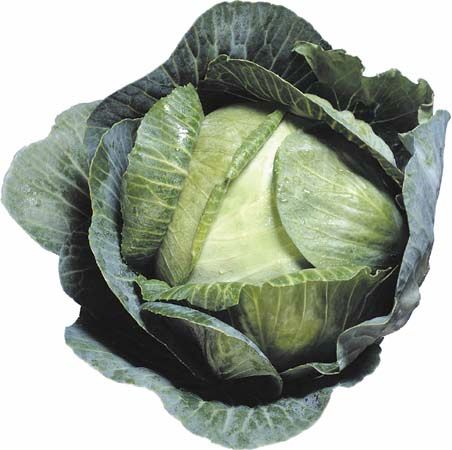
- Cabbage
- Cauliflower
- Collard greens
- Kohlrabi
- Mustard greens
- Napa cabbage
- Rutabaga
- Turnip651
Other notable vegetables in the Brassicaceae family include:
- Arugula
- Horseradish
- Radish
- Watercress51
These plants are characterized by their pungent taste and smell, which are caused by sulfur-containing compounds known as glucosinolates.5
How does the taste of kale change after a frost?
The taste of kale improves significantly after exposure to cold temperatures. When the plant experiences a frost, its eating quality and flavor are enhanced, which is why it is primarily harvested during the autumn and winter months when other fresh vegetables are often unavailable.1
This change occurs because the plant responds to freezing temperatures by converting its stored starches into sugars, which act as a natural antifreeze to protect the leaves. This process reduces the bitterness often associated with the plant and results in a sweeter, more palatable flavor.1
What are the differences between curly kale and dinosaur kale?
Curly kale and dinosaur kale (also known as Tuscan kale, lacinato, or black kale) are both varieties of kale, a member of the mustard family. While they share similar nutritional profiles, they differ primarily in their physical appearance and texture:
- Curly Kale: This variety is characterized by its signature wavy to frilled leaf margins. It typically features a rosette of elongated leaves that can range in color from blue-green to light green, red, or purple.3
- Dinosaur Kale: In contrast, this variety features long, narrow, and very dark green leaves. Its defining characteristic is a softer, pebbly, or wrinkled texture rather than the frilled edges found on curly varieties.1
Both types are hardy, cool-season crops that are often harvested in autumn and winter, as cold temperatures help improve their flavor by reducing bitterness.3
Sources
- Kale — Encyclopædia Britannica
- Nutritional Powerhouses: 8 Foods That Pack a Nutritional Punch — Encyclopædia Britannica
- Tuscan kale — Merriam-Webster
- sea kale — Encyclopædia Britannica
- brassica — Encyclopædia Britannica
- Brassicaceae — Encyclopædia Britannica
- list of vegetables — Encyclopædia Britannica
Published on · 2 min read