Major Types of Pollinators
A pollinator is an external agent that facilitates pollination by transporting sperm-laden pollen from the male parts of a flower to the female parts…
What is a pollinator?
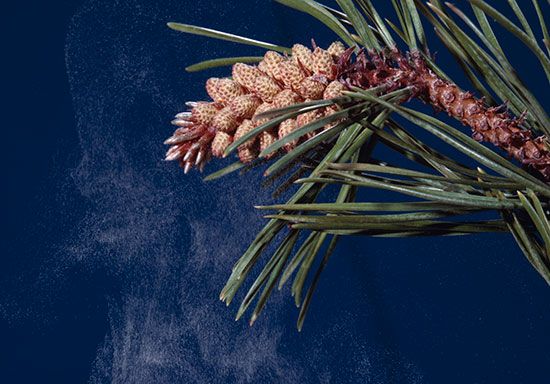
A pollinator is an external agent that facilitates pollination by transporting sperm-laden pollen from the male parts of a flower to the female parts, enabling sexual reproduction in plants. Because most plants are sedentary, they rely on these agents to ensure the fertilization necessary for the production of seeds and fruits.12
While wind and water can serve as agents of transport, the most efficient pollinators are animals, including insects, birds, and mammals. Bees are considered the most important group of animal pollinators, having coevolved with many flowering plants to develop specialized physical and behavioral adaptations for foraging. Other common pollinators include flies, butterflies, moths, bats, and small rodents.12345
These interactions are vital for maintaining biodiversity and supporting global ecosystems, as well as sustaining human agriculture by ensuring the growth of numerous fruit and vegetable crops.45
Why are pollinators important for plants?
Pollinators are essential to plants because they facilitate pollination, the critical process of transferring pollen from male to female reproductive parts to enable sexual reproduction. Because most plants are sedentary, they rely on external agents—such as insects, birds, and mammals—to transport pollen, which is a prerequisite for the development of seeds and fruits.167
The importance of this relationship includes:
- Perpetuation of Species: Over 300,000 species of flowering plants and more than 1,000 species of gymnosperms depend on pollination to reproduce.1
- Genetic Diversity: Many pollinators facilitate cross-pollination, which allows for the mixing of hereditary traits. This genetic variability is vital for species survival, as it helps plants adapt to changing environments.2
- Reproductive Success: Plants that utilize animal pollinators often achieve higher quality and quantity of seeds compared to those relying on self-pollination.2
- Ecosystem Stability: Pollinators support the health of terrestrial ecosystems by maintaining plant populations, which in turn support complex food webs.15
What kinds of animals can be pollinators?
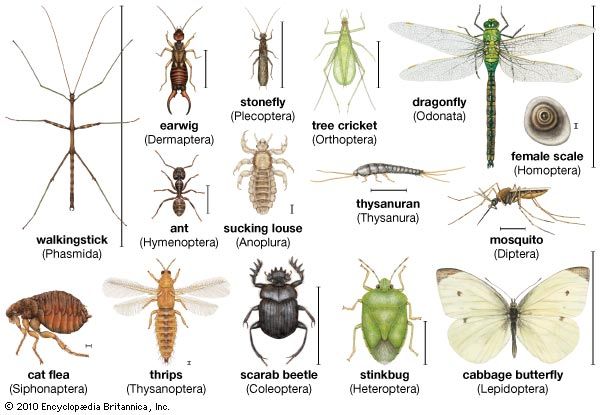
While many people associate pollination primarily with bees and butterflies, a wide variety of animals serve as pollinators. These agents are categorized into several groups based on their biological characteristics and behaviors:
Insect Pollinators
Insects are the most common animal pollinators.
- Bees: Widely considered the most important pollinators, bees have coevolved with flowers, developing specialized adaptations like hairy bodies and pollen baskets to transport pollen effectively.910
- Flies: This group includes bee flies, mosquitoes, and carrion-loving flesh flies. Some flies are attracted to “carrion flowers” that mimic the scent and appearance of rotting meat.110
- Beetles: Among the earliest pollinators, beetles often feed on pollen or floral parts, incidentally transferring pollen as they forage.110
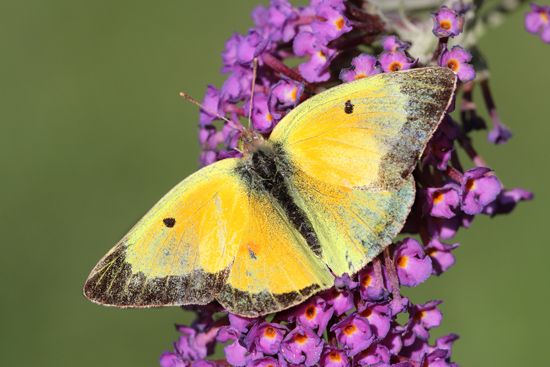
- Butterflies and Moths: These insects are also significant contributors to the pollination of various flowering plants.10
Vertebrate Pollinators
Beyond insects, several vertebrates play a crucial role in plant reproduction:
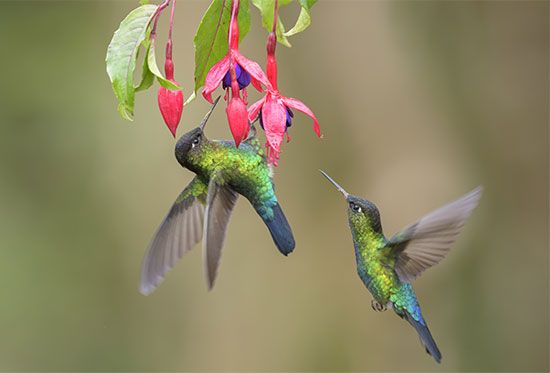
- Birds: Hummingbirds are the most well-known avian pollinators, often attracted to bright red, nectar-rich flowers. Other birds, such as certain tanagers, also participate in specialized pollination mechanisms.103
- Bats: Specialized tropical bats are key pollinators for night-blooming plants. They are often guided by scent and possess long, extensible tongues to extract nectar.11210
- Small Mammals: Certain terrestrial mammals, including mouse lemurs in Madagascar and honey possums in Australia, are known to visit flowers and facilitate pollination.11210
How do bees help with pollination?
Bees are considered the most important animal pollinators on Earth, having coevolved with flowering plants to facilitate cross-pollination as they forage for nectar and pollen to feed themselves and their larvae.32
Their effectiveness as pollinators is due to several specialized adaptations:
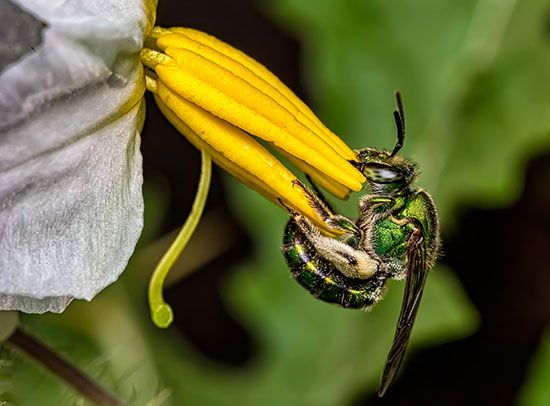
- Physical Features: Many bees have hairy bodies that trap pollen grains, which are often sticky or spiny to ensure they adhere to the insect. They also possess specialized structures like pollen baskets (corbiculae) or scopa (hair patches) on their legs or abdomen to collect and transport pollen.3213
- Sensory Capabilities: Bees can distinguish between colors like yellow, blue, and ultraviolet, allowing them to follow “nectar guides” on flowers that are invisible to the human eye. They also use fragrance to identify and remain loyal to specific plant species.2
- Behavioral Efficiency: As bees move between flowers to feed, they inadvertently rub pollen from their bodies onto the plant’s stigma. Many bee-pollinated flowers have evolved to provide a landing platform, such as a broad lower lip, which allows the bee to sit and access the interior of the flower efficiently.3142
Sources
- Major types of pollinators — Encyclopædia Britannica
- Angiosperm - Pollination — Encyclopædia Britannica
- Major types of pollinators - Bees — Encyclopædia Britannica
- Why are bees important? — Encyclopædia Britannica
- What Would Happen If All the Bees Died? — Encyclopædia Britannica
- Pollination — Encyclopædia Britannica
- Cross-pollination — Encyclopædia Britannica
- Neonicotinoid: Top Questions — Encyclopædia Britannica
- Major types of pollinators - Beetles and flies — Encyclopædia Britannica
- Major types of pollinators - Mammals — Encyclopædia Britannica
- Pollination - Mammals — Encyclopædia Britannica
- Botanical Sex: 9 Alluring Adaptations — Encyclopædia Britannica
- Pollination - Bees — Encyclopædia Britannica
- Hymenoptera - Special adaptations — Encyclopædia Britannica
Published on · 3 min read