Pondweed
Pondweed refers to various cosmopolitan freshwater plants that are often cultivated in ponds or aquariums. These plants belong to two families within the…
What is pondweed?
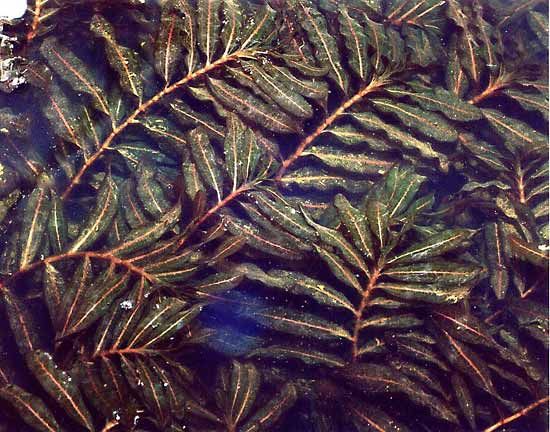
Pondweed refers to various cosmopolitan freshwater plants that are often cultivated in ponds or aquariums. These plants belong to two families within the order Alismatales: the Potamogetonaceae (pondweed family) and the Aponogetonaceae (Cape pondweed family).1
Key characteristics include:
- Structure: They typically feature jointed, rooting stems with leaves that may be submerged or floating, often accompanied by emergent flowering shoots.12
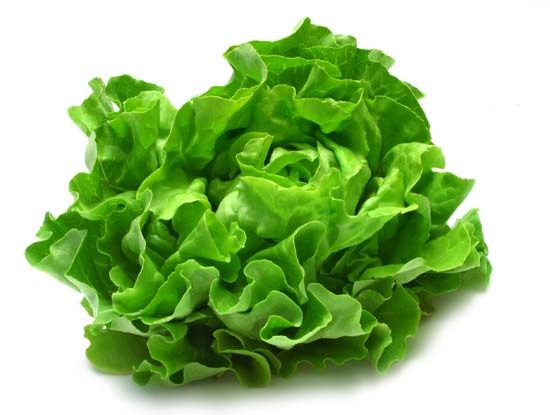
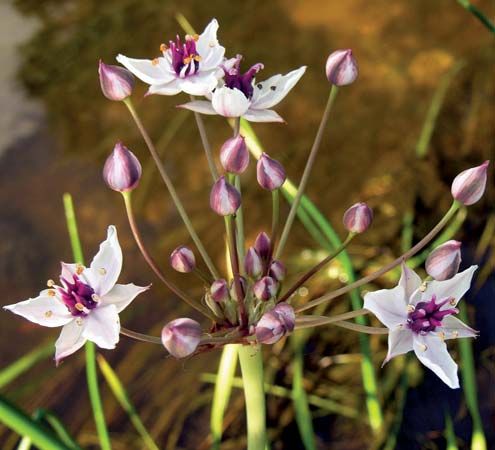
- Diversity: The family Potamogetonaceae includes species such as frog’s lettuce (Potamogeton densus) and P. crispus. The Aponogetonaceae family includes the Cape pondweed, or water hawthorn (Aponogeton distachyos), which is native to South Africa and frequently grown as an ornamental1.1
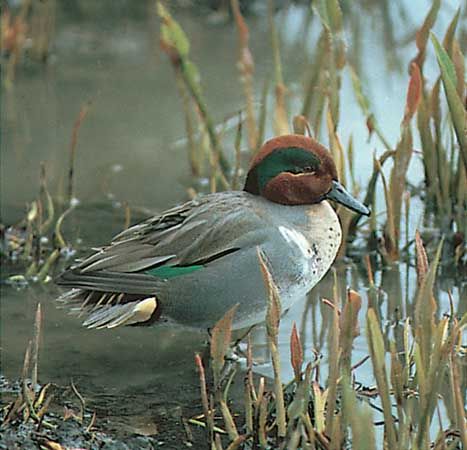
- Ecological Role: Many of these species provide essential food for waterfowl and serve as vital cover for fish.1
How do aquatic plants produce oxygen in water?
Aquatic plants produce oxygen primarily through photosynthesis, a process in which they use energy from sunlight to convert carbon dioxide and water into sugar and oxygen. While the process is similar to that of land plants, aquatic species are uniquely adapted to their environment.3
It is important to clarify that while some plants, such as certain wetland trees, have specialized structures called pneumatophores that protrude above the water to facilitate gas exchange for root respiration, these structures are for intake rather than the production of oxygen. The oxygen released into the water is a byproduct of the photosynthetic activity occurring within the plant’s tissues during daylight hours.43
Most plants release this oxygen only when sunlight is available to power the chemical reaction. While plants also perform cellular respiration, which consumes oxygen and releases carbon dioxide, the amount of oxygen produced during photosynthesis typically exceeds what is consumed by the plant itself.3
What are the differences between submerged and floating leaves?
Submerged and floating leaves are both types of hydromorphic leaves, which are specifically adapted to aquatic environments. Because these plants are surrounded by water, they do not require the same mechanisms for water conservation as land plants, leading to simplified anatomical structures.5
The primary differences between these two leaf types include:
- Stomata Placement: In floating leaves, stomata are present only on the upper surface to facilitate gas exchange with the air. In contrast, most submerged leaves have lost their stomata entirely, as they exchange gases directly with the surrounding water.5
- Structural Support: Because water provides significant mechanical support, both types of leaves have a weakly developed vascular system, particularly the xylem. They also typically lack collenchyma or sclerenchyma, which are common in land plants for structural rigidity.5
- Internal Anatomy: Both types often feature aerenchyma—a tissue with large air spaces—which helps with buoyancy and gas diffusion. Additionally, these leaves generally have a thin or absent cuticle, as there is no need to prevent water loss.5
Why is pondweed considered important for fish habitats?
Pondweed is highly valued in aquatic ecosystems because it serves as essential cover for fishes. By providing dense foliage, these plants create protected spaces where fish can hide from predators, seek shelter, and find refuge.1
Beyond offering physical protection, pondweed contributes to the health of the habitat by supporting the broader food web. Many species within the Potamogetonaceae and Aponogetonaceae families act as a direct food source for waterfowl, and the complex structure of the plants often harbors small organisms that serve as prey for fish. By maintaining these habitats, pondweed helps sustain the biodiversity and stability of freshwater environments.1
Sources
- pondweed — Encyclopædia Britannica
- pondweed — Merriam-Webster
- Do Plants Emit Oxygen and Carbon Dioxide at Night? — Encyclopædia Britannica
- Pneumatophore — Encyclopædia Britannica
- Tree - Leaf adaptations — Encyclopædia Britannica
- Angiosperm - Leaves — Encyclopædia Britannica
- Transpiration — Encyclopædia Britannica
- Angiosperm - Leaf modifications — Encyclopædia Britannica
Published on · 3 min read