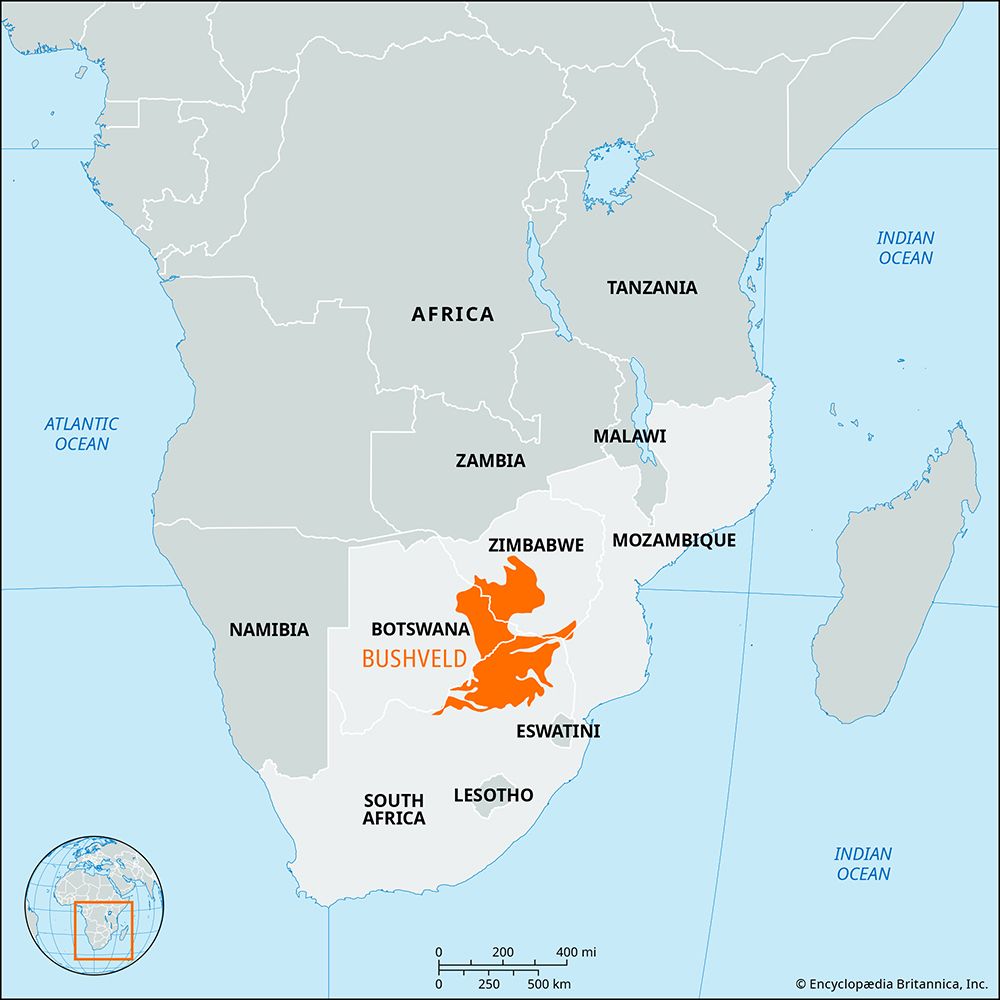
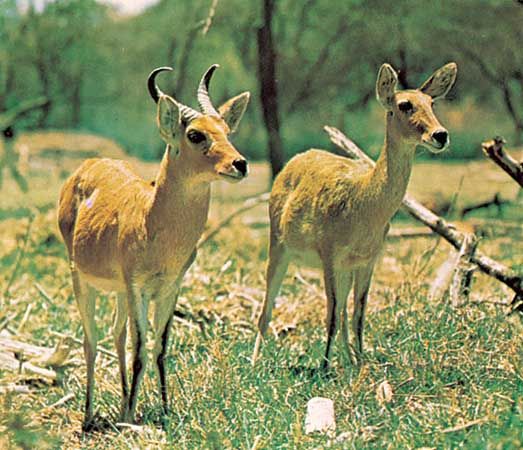
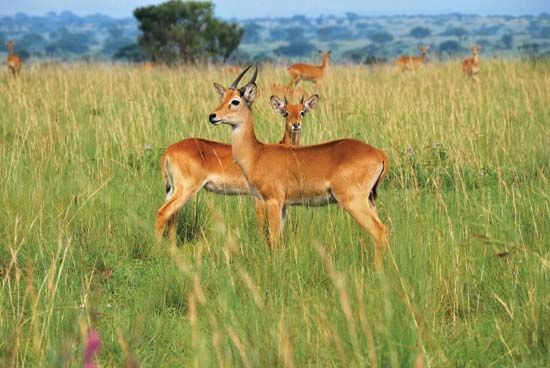
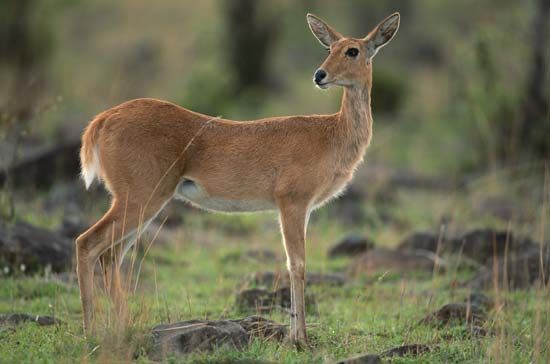
Reedbuck
The provided search results do not contain information regarding the role of reedbucks in African folklore or cultural traditions. The available data focuses…
What role do reedbucks play in African folklore or cultural traditions?
The provided search results do not contain information regarding the role of reedbucks in African folklore or cultural traditions. The available data focuses exclusively on the biological classification, physical characteristics, habitat, social behavior, and conservation status of the three species within the genus Redunca.12
What are the main threats to reedbuck populations and their conservation status?
Reedbuck populations face varying levels of risk depending on the species and their specific environmental pressures. While the bohor reedbuck and the southern reedbuck are currently classified as species of least concern by the International Union for Conservation of Nature (IUCN), the mountain reedbuck faces significant challenges to its survival.1
Threats to Mountain Reedbucks
The mountain reedbuck has been listed as an endangered species by the IUCN since 2017. The primary threats contributing to this status include:
- Habitat Loss: The expansion of agriculture has significantly reduced the available range for these animals.1
- Poaching: Illegal hunting has greatly diminished their population numbers.1
- Predation: Increased vulnerability to attacks by dogs has further impacted their stability.1
Because all reedbuck species rely on tall herbage for concealment, they are particularly sensitive to environmental changes, such as fires, that remove their protective cover and leave them exposed to predators like wild dogs and spotted hyenas.1
How long do reedbucks typically live in the wild versus in captivity?
Sorry, the Britannica knowledge base does not contain information regarding the typical lifespan of reedbucks in the wild or in captivity. The provided information focuses on their physical characteristics, habitat, social behavior, and conservation status.1
What is the social structure and behavior of reedbucks?
Reedbucks exhibit a social structure that serves as a transition between the solitary or monogamous systems of forest-dwelling antelopes and the polygynous, social systems of those living in open savannas.1
The social organization varies by species:
- Southern Reedbuck: These typically live in territorial couples.1
- Bohor Reedbuck: This species is polygynous, with males defending territories that encompass the ranges of two or more females and their offspring. Young males often form small bachelor herds after separating from their mothers.1
- Mountain Reedbuck: These live in small herds consisting of three to eight females and their young, occupying home ranges divided among several territorial males.1
When environmental conditions, such as fires, remove the tall herbage they use for concealment, these animals may adopt a more social herding behavior for mutual security. In the case of the bohor reedbuck, these temporary herds can reach numbers in the hundreds on large floodplains.1
Behaviorally, reedbucks are primarily nocturnal grazers, though they may become active during the day if they feel protected. They rely on whistling alarm calls to signal danger, and males use these calls—often in duets with their mates—to advertise their territorial status.1
Sources
- reedbuck — Encyclopædia Britannica
- rooi rhebok — Merriam-Webster
Published on · 2 min read