Santa Maria Island
There are two distinct locations known as Santa Maria Island:
What is Santa Maria Island?
There are two distinct locations known as Santa Maria Island:
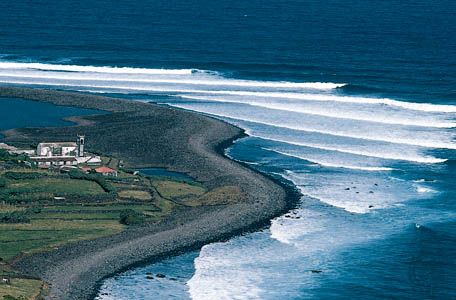
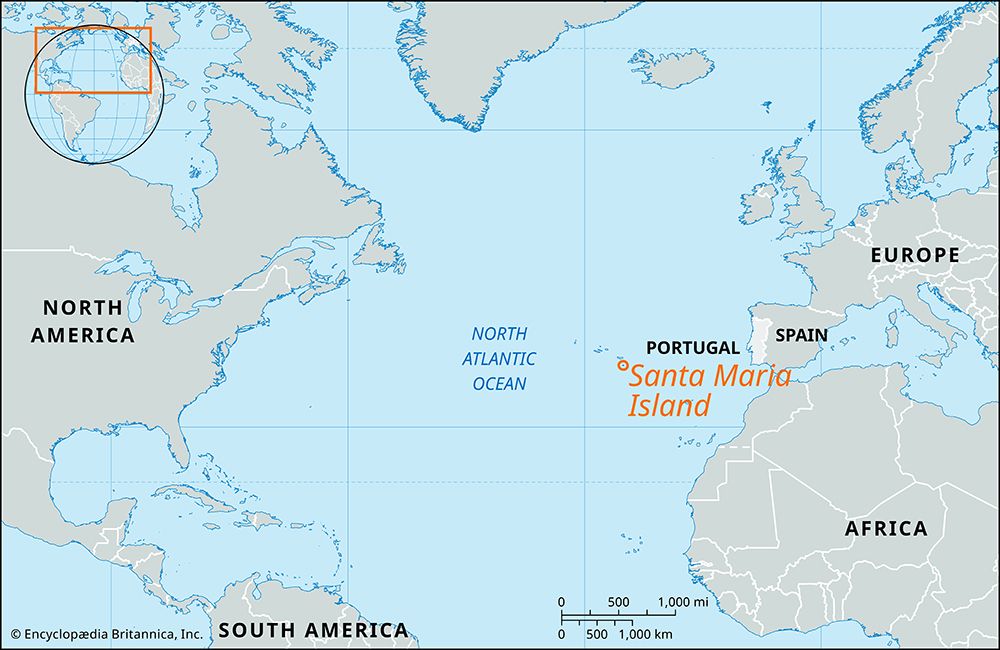
- Santa Maria Island (Azores): Located in the North Atlantic, this is the southeasternmost island of the Azores archipelago, which is part of Portugal. Its capital, Vila do Porto, is the oldest town in the Azores, founded in the 1430s. The island features an important international airport, originally built as a U.S. air base during World War II, and maintains a free-trade zone1. Christopher Columbus famously stopped here in 1493 while returning from his first voyage to America.12
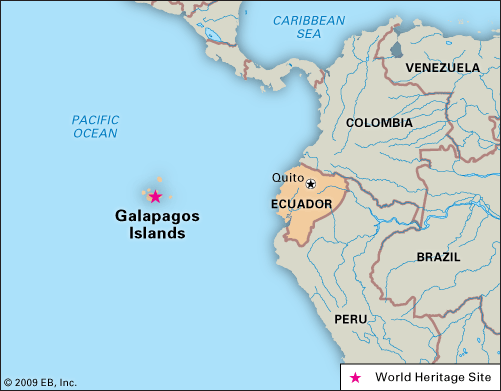
- Santa María Island (Galapagos): Also known as Isla Floreana, this island is part of the Galapagos Islands in the eastern Pacific Ocean, belonging to Ecuador. It was the site of the first Galapagos settlements and an 18th-century whaler’s post office. Today, its economy relies on fishing, agriculture, and tourism.3
What are the main islands that make up the Azores archipelago?
The Azores archipelago is an autonomous region of Portugal consisting of nine major islands, which are organized into three distinct geographical groups:
- Eastern Group: São Miguel, Santa Maria, and the Formigas islets.
- Central Group: Faial, Pico, São Jorge, Terceira, and Graciosa.
- Northwestern Group: Flores and Corvo.
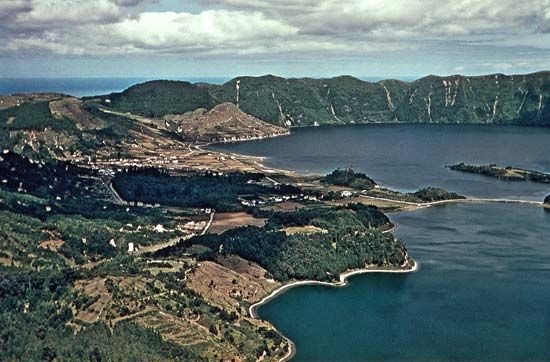
These islands are volcanic in origin, rising from the Mid-Atlantic Ridge, and are known for their dramatic landscapes, including deep calderas and lakes. The capital of the archipelago is Ponta Delgada, located on the island of São Miguel.3
How did Christopher Columbus’s voyages connect to the history of the Azores?
Christopher Columbus played a notable role in the history of the Azores during his return journey from his first voyage to the Americas in 1493. While sailing back to Spain, his fleet encountered a severe storm that forced him to seek refuge in the archipelago.4
Specifically, Columbus called at the hamlet of Anjos on the northern coast of Santa Maria Island1. This stop is a significant historical footnote for the island, which is home to the oldest town in the Azores, Vila do Porto, founded in the 1430s. The islands themselves had been discovered by Genoese seamen in the 14th century, though their full exploration and integration into Atlantic travel were later facilitated by advancements in sailing technology, such as the development of the caravel and carrack.13
What are the key differences between the Azores and the Galapagos Islands?
The Azores and the Galapagos Islands are both volcanic archipelagos, but they differ significantly in geography, climate, and ecology.
Key Differences
- Location and Governance: The Azores are located in the North Atlantic Ocean and are an autonomous region of Portugal. The Galapagos are situated in the eastern Pacific Ocean and are a province of Ecuador.
- Climate and Flora: The Azores feature a subtropical climate with high humidity and abundant flora of European and Mediterranean origin, including mixed forests and intensive agriculture like tea and wine grapes. In contrast, the Galapagos have an arid climate with low rainfall and humidity, characterized by cactus forests in the lowlands and unique transition zones at higher elevations.
- Biodiversity: The Galapagos are world-renowned for their high levels of endemic species, such as giant tortoises, marine iguanas, and Galapagos finches, which were central to the development of Charles Darwin’s theories on natural selection. The Azores are better known for their scenic landscapes and marine life, such as cetaceans.
- Human Settlement: The Azores have a much larger, long-established population of Portuguese origin, numbering over 240,000. The Galapagos have a smaller population of approximately 25,000, with many areas remaining virtually untouched by humans.
Sources
- Santa Maria Island — Encyclopædia Britannica
- Santa María Island — Encyclopædia Britannica
- Azores — Encyclopædia Britannica
- Where did Columbus land? — Encyclopædia Britannica
- Columbus Day — Encyclopædia Britannica
- Western colonialism - Technological improvements — Encyclopædia Britannica
- Galapagos Islands — Encyclopædia Britannica
Published on · 3 min read