Saurischian
The classification of dinosaurs into the two major orders, Saurischia ("lizard hips") and Ornithischia ("bird hips"), was first proposed by the English…
Who first proposed the classification of dinosaurs into Saurischia and Ornithischia, and when?
The classification of dinosaurs into the two major orders, Saurischia (“lizard hips”) and Ornithischia (“bird hips”), was first proposed by the English biologist H.G. Seeley in 1887.1
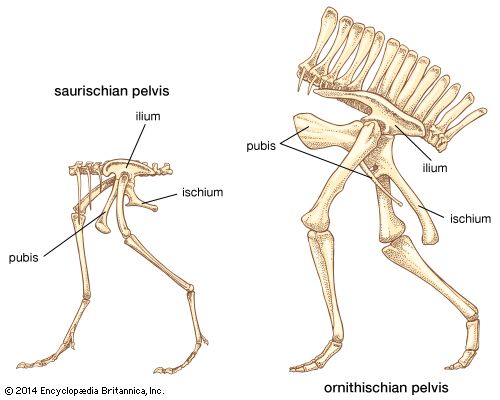
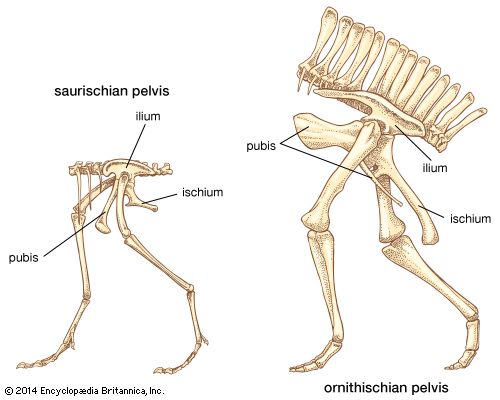
Seeley established this distinction primarily based on the configuration of the pelvis. In saurischians, the pelvic bones present a triangular outline, with the pubis extending forward and the ischium projecting backward. In contrast, the ornithischian pelvis features a pubis with a long, thin postpubic process that extends backward, running parallel to the ischium—a structure that superficially resembles that of modern birds. This fundamental differentiation remains a cornerstone of dinosaur classification today.1
How did Saurischian dinosaurs evolve over time?
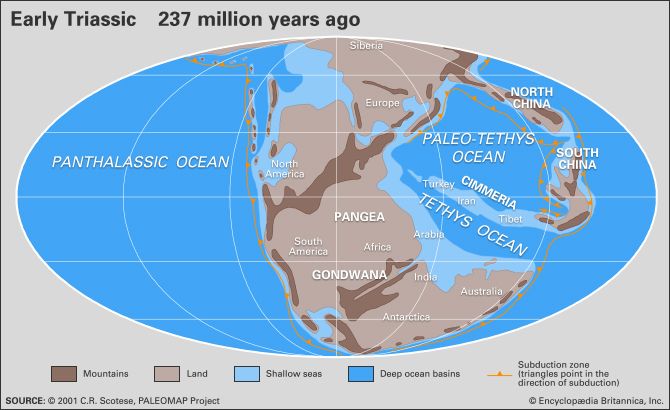
Saurischian dinosaurs, or “lizard-hipped” dinosaurs, originated during the Middle Triassic Period approximately 235 million to 240 million years ago. Initially, these early dinosaurs were small and bipedal, but over millions of years, they diversified into two primary lineages: the theropods and the sauropodomorphs.2
Theropoda
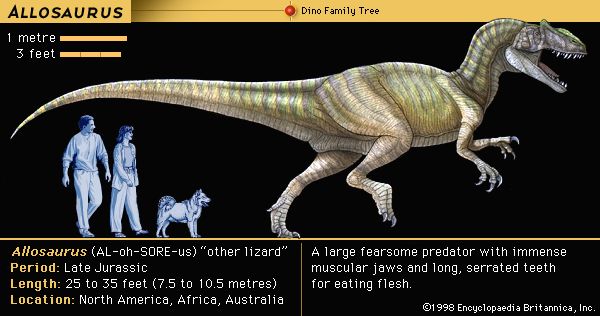
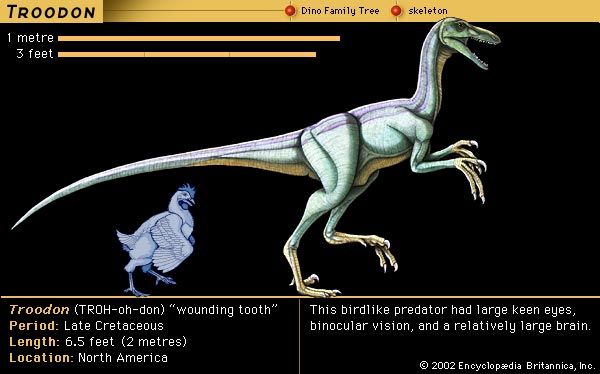
Theropods remained exclusively bipedal throughout their history. While they began as small carnivores, they evolved into a vast array of forms, ranging from the crow-sized Microraptor to massive predators like Tyrannosaurus. A defining evolutionary milestone occurred at least 144 million years ago when birds evolved from small theropod ancestors.23
Sauropodomorpha
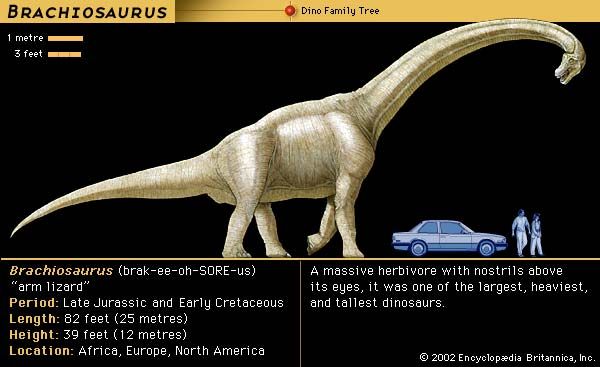
The sauropodomorphs transitioned from small, bipedal ancestors to become primarily quadrupedal herbivores. Their early members, the prosauropods, were succeeded in the Early Jurassic Period by the sauropods. These giants, which included species such as Diplodocus and Brachiosaurus, became one of the most dominant dinosaur groups, characterized by their immense size, long necks, and columnar legs, until their extinction at the end of the Cretaceous Period.2
How did the hip structure of Saurischian dinosaurs influence their locomotion?
The hip structure of Saurischian dinosaurs—characterized by a triangular pelvic arrangement where the pubis points forward and the ischium points backward—played a significant role in their locomotion by providing a robust framework for muscle attachment.56
The massive ilium served as a deep vertical plate for the attachment of muscles that powered the hind legs and stabilized the tail. This pelvic configuration supported the evolution of two distinct locomotor strategies within the group:5
- Bipedalism: Early saurischians were small and bipedal, a posture that allowed for greater speed. By shifting to a vertical hind-limb posture, these dinosaurs eliminated the inefficient side-to-side gait seen in sprawled-limbed reptiles, allowing their limbs to swing directly forward and backward. The long, heavy tail acted as a critical counterweight and stabilizer for this bipedal stance.6718
- Quadrupedalism: In the sauropodomorph lineage, the pelvis supported the transition to a quadrupedal gait as these animals evolved into massive, heavy-bodied herbivores. Their columnar legs were positioned vertically beneath the hip sockets to support their immense weight, resulting in a stable, albeit slower, mode of movement.168
While the pelvic structure provided the necessary skeletal support for these diverse movements, the specific functional and physiological basis for the differences between saurischian and ornithischian muscle arrangements remains difficult to determine from the fossil record alone.5
How did the extinction event at the end of the Cretaceous period affect Saurischian dinosaurs?
The mass extinction event at the end of the Cretaceous Period, occurring approximately 66 million years ago, resulted in the disappearance of nearly all dinosaurs, including the saurischian lineages of sauropods and non-avian theropods.29
While this event eliminated most dinosaur groups, it did not cause a total extinction of the lineage. Birds, which evolved from small theropod dinosaurs during the Jurassic Period, survived the catastrophe. Evidence indicates that living groups of birds were already present by the latest Cretaceous, and they did not experience a “bottleneck” of extinction that separated archaic groups from modern ones; rather, the archaic groups simply died out while the ancestors of modern birds persisted.2101112
The cause of this mass extinction remains a subject of scientific study. The leading asteroid theory suggests that a large impact at Chicxulub, Mexico, disrupted the global food chain by blocking sunlight and halting photosynthesis. Other potential contributing factors include massive volcanic activity known as the Deccan Traps and long-term climatic shifts caused by continental drift.13914
Sources
- dinosaur - Classification — Encyclopædia Britannica
- saurischian — Encyclopædia Britannica
- dinosaur - Ornithopoda — Encyclopædia Britannica
- dinosaur - Theropoda — Encyclopædia Britannica
- dinosaur - Prosauropoda — Encyclopædia Britannica
- reptile - Walking and crawling — Encyclopædia Britannica
- dinosaur - Sauropoda — Encyclopædia Britannica
- human muscle system - Changes in the muscles of the lower limb — Encyclopædia Britannica
- Cretaceous Period - Mass extinction — Encyclopædia Britannica
- K–T extinction — Encyclopædia Britannica
- dinosaur - Dinosaur descendants — Encyclopædia Britannica
- Bird - Evolution and paleontology — Encyclopædia Britannica
- Jurassic Period - Vertebrates — Encyclopædia Britannica
- dinosaur - The K–T boundary event — Encyclopædia Britannica
Published on · 3 min read