Scioto River
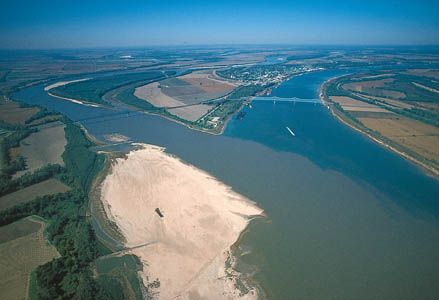
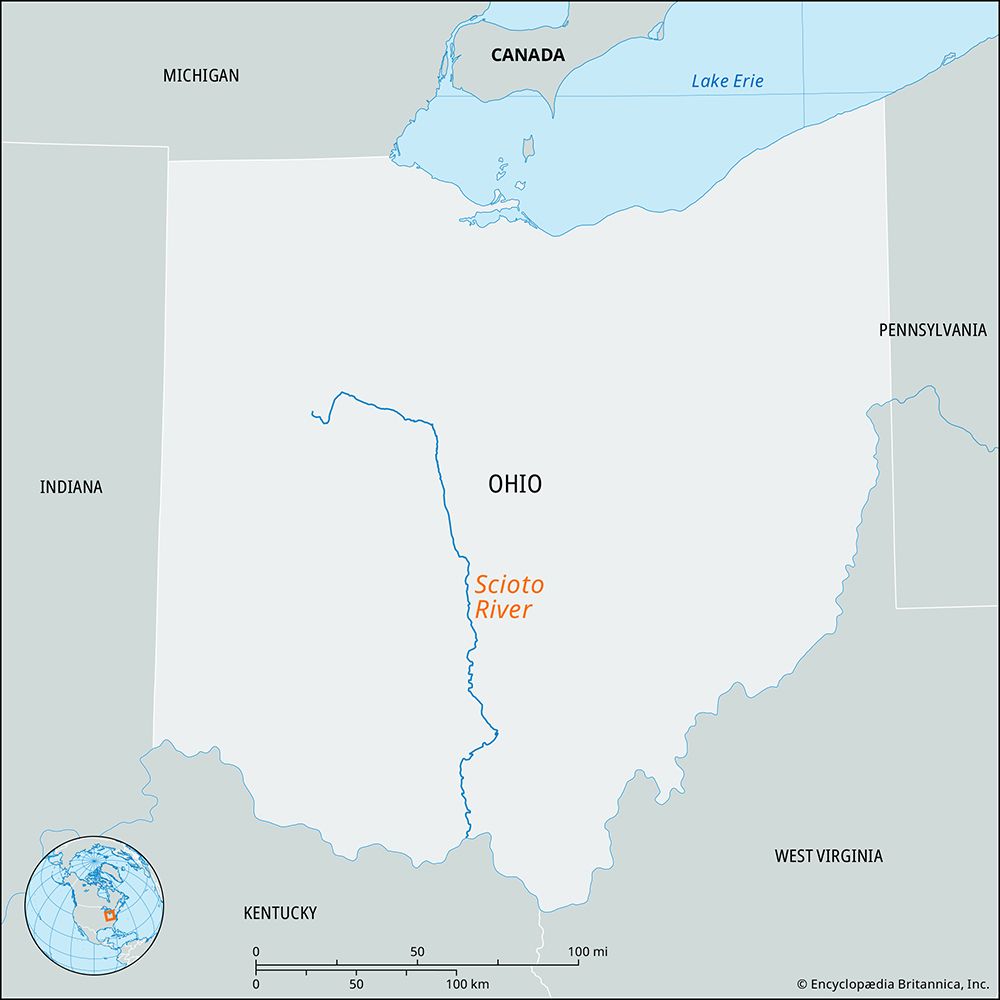
The Scioto River is a river in the U.S. state of Ohio that rises in Auglaize County and flows southeast for approximately 230 to 237 miles before joining the…
What is Scioto River?
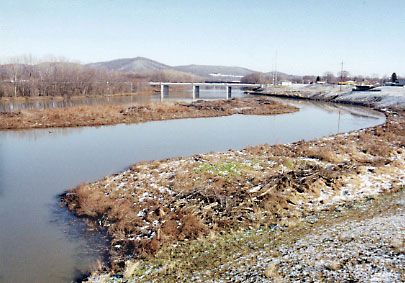
The Scioto River is a river in the U.S. state of Ohio that rises in Auglaize County and flows southeast for approximately 230 to 237 miles before joining the Ohio River at Portsmouth. The name “Scioto” is believed to be derived from an Iroquoian word meaning “deer”.12
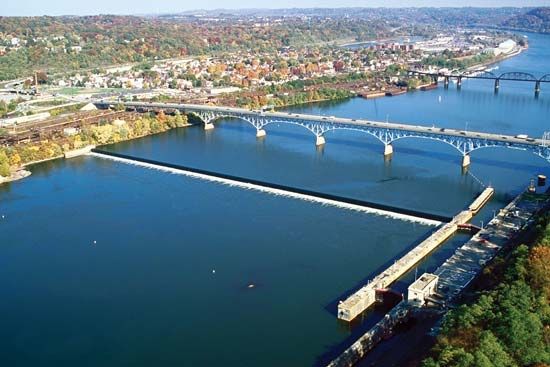
The river flows past several cities, including Chillicothe and Columbus, where it meets the Olentangy River. The valley is characterized by exceptionally fertile limestone soil. Near Columbus, the river is impounded by the Griggs and O’Shaughnessy dams to create reservoirs for water supply, and it has been historically significant for the city’s development, particularly following flood-control projects in the early 20th century.13
How do dams like the Hoover Dam help manage water supply and prevent flooding?
Dams like the Hoover Dam manage water supply and prevent flooding by creating reservoirs, which act as storage areas for river water.45
Flood Prevention
Dams mitigate flood disasters by impounding water during periods of high flow, such as heavy rainfall or seasonal runoff, which would otherwise overwhelm riverbanks and cause downstream flooding. By holding this excess water in a reservoir, the dam reduces the peak discharge rate of the river. This process is often supported by spillways, which allow for the controlled release of surplus water to ensure the dam is not overtopped, protecting the structural integrity of the dam and the safety of downstream communities.46
Water Supply Management
Reservoirs allow for the reliable management of water resources by collecting water when it is abundant and permitting its gradual release during periods of low flow or drought. This stored water serves multiple purposes, including:4
- Domestic and Agricultural Use: Providing a consistent supply for drinking water and irrigation.45
- Hydroelectric Power: Utilizing the stored water to drive turbines for the generation of electric power.5
- Emergency Reserves: Maintaining volume to satisfy peak demands or provide water during system failures.4
While these structures are vital for human development, they also require careful planning to address environmental impacts, such as sediment accumulation and the disruption of local ecosystems.47
What role did the Scioto River play in the development of early transportation in Ohio?
The Scioto River served as a vital natural artery for early transportation and settlement in Ohio. During the state’s territorial period and early years of statehood, the region relied heavily on its water routes for the movement of native traders, pioneers, and settlers into the interior.1
The river’s role in development was significantly bolstered by the construction of artificial infrastructure that connected it to broader trade networks. Specifically, the opening of a feeder branch of the Ohio and Erie Canal to Columbus in 1831 provided a critical link for commercial activity, allowing the city to grow as a transportation and commercial center. Similarly, the city of Chillicothe, which also lies along the Scioto, saw its commercial activity increase significantly following the construction of the canal and the subsequent arrival of the railroad in 1852.1011
By providing access to the interior and facilitating the integration of local economies with larger markets, the Scioto River was instrumental in the early economic and political development of central and south-central Ohio.110
What are some other major rivers that flow into the Ohio River?
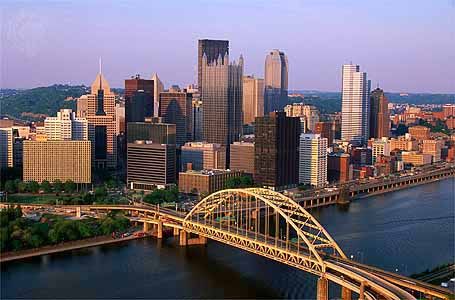
The Ohio River is formed by the confluence of the Allegheny and Monongahela rivers at Pittsburgh. Beyond these headwaters, it is fed by numerous tributaries from both the north and the south.
Major tributaries flowing into the Ohio River include:
- From the South: The Tennessee, Cumberland, Kanawha, Big Sandy, Licking, Kentucky, and Green rivers.10
- From the North: The Muskingum, Miami, Wabash, and Scioto rivers.10
These rivers contribute to the Ohio’s significant drainage basin, which ultimately feeds into the Mississippi River at Cairo, Illinois.1014
Sources
- Scioto River — Encyclopædia Britannica
- Scioto — Merriam-Webster
- Columbus — Encyclopædia Britannica
- reservoir — Encyclopædia Britannica
- Hoover Dam — Encyclopædia Britannica
- dam - Spillways — Encyclopædia Britannica
- levee — Encyclopædia Britannica
- dam - Rise of environmental and economic concerns — Encyclopædia Britannica
- Yangtze River - Human impact on the environment — Encyclopædia Britannica
- Ohio River — Encyclopædia Britannica
- Ohio - Transportation — Encyclopædia Britannica
- Chillicothe — Encyclopædia Britannica
- Ohio - Drainage — Encyclopædia Britannica
- drainage basin — Encyclopædia Britannica
- Allegheny River — Encyclopædia Britannica
- Kentucky River — Encyclopædia Britannica
Published on · 3 min read