Green River
The name "Green River" refers to several distinct geographical features in the United States.
What is Green River?
The name “Green River” refers to several distinct geographical features in the United States.
Major Rivers
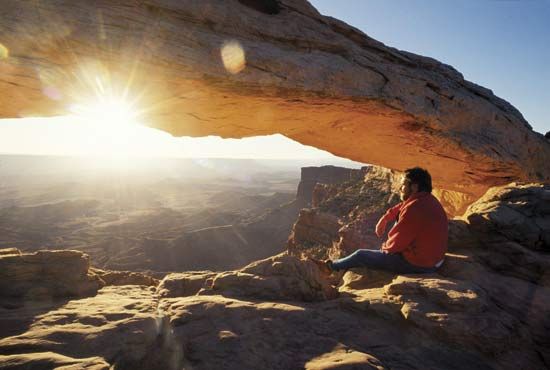
- Western U.S. Green River: A 730-mile-long river that rises in the Wind River Range of Wyoming. It flows through Utah and Colorado before joining the Colorado River in Canyonlands National Park.12
- Kentucky Green River: A 360-mile-long river in Kentucky that flows westward to join the Ohio River. It passes through Mammoth Cave National Park.3
Cities
- Green River, Utah: A city located on the banks of the western Green River, founded in 1878 near a historic Spanish Trail crossing.4
- Green, Ohio: A city located south of Akron.2
How does the Colorado River basin support local ecosystems?
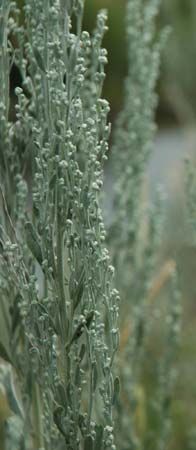
The Colorado River basin supports a diverse array of ecosystems that vary significantly by elevation. The headwaters and upper elevations feature alpine tundra and coniferous forests, while the middle regions transition into semiarid plateaus and canyons characterized by piñon pine, juniper, and sagebrush. The lower basin and delta consist of arid landscapes populated by desert plants like the creosote bush.5
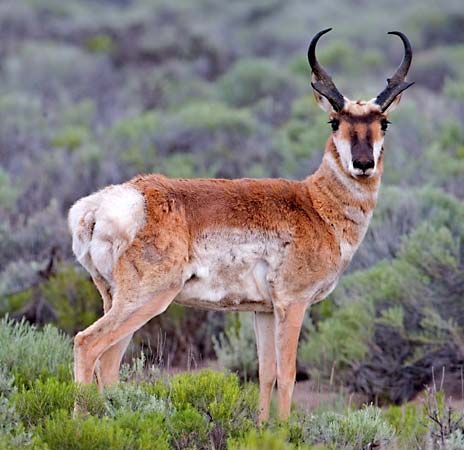
These habitats sustain a wide variety of wildlife. Upper and middle elevations provide homes for large mammals such as mountain sheep, pronghorn, mule deer, mountain lion, and coyote. Stream banks lined with willow, cottonwood, and tamarisk support beavers, muskrats, and birds like the bald eagle.5
However, modern river development has significantly disrupted these native habitats. The introduction of the invasive tamarisk shrub and the construction of numerous dams have altered natural flow patterns, leading to the decline of native species. Efforts to restore ecological health now include experimental flow releases from dams to mimic natural spring floods, which aim to redistribute sediment and improve habitat conditions.56
What role did John Wesley Powell play in exploring the American West?
John Wesley Powell (1834–1902) was a pivotal American explorer, geologist, and ethnologist whose work fundamentally shaped our understanding of the American West.
Colorado River Expeditions
Powell is best known for leading two major expeditions down the Colorado River. The first, in 1869, navigated the river from Wyoming through the Grand Canyon, despite significant hardships and the loss of equipment. A second, government-backed expedition (1871–1872) produced the first reliable maps of the region.
Scientific and Administrative Legacy
- Geology and Conservation: As director of the U.S. Geological Survey (1881–1894), Powell famously warned that the arid West lacked sufficient water to support widespread irrigation, predicting the water-rights conflicts that persist today.
- Ethnology: Appointed the first director of the Smithsonian Institution’s Bureau of Ethnology, he conducted extensive research on Native American languages and cultures, including a comprehensive linguistic survey of North American indigenous peoples.
How do dams and reservoirs affect river health and water supply?
Dams and reservoirs are essential components of modern water management, yet they fundamentally alter river systems and their surrounding environments.
Impacts on Water Supply and Flow
Reservoirs are designed to impound water during periods of high flow, which helps prevent flood disasters and provides a reliable supply for irrigation, hydroelectric power, and municipal needs. By storing water, they allow for controlled releases during droughts. However, these structures also lead to significant water loss through evaporation and seepage, particularly in arid regions8.8
Ecological and Environmental Consequences
The construction of dams often results in severe ecological disruption:
- Sedimentation: Reservoirs trap sediment that would naturally flow downstream. This reduces the reservoir’s storage capacity over time and causes erosion of the stream channel below the dam, as the sediment-starved water has renewed transporting capacity.89
- Habitat Destruction: Dams can destroy fish habitats and submerge large areas of land, sometimes displacing human populations and obliterating cultural or natural landscapes.810
- Migratory Barriers: Dams block or impede the movement of spawning fish. While technologies like fish ladders and locks have been implemented to assist migration, they have not always been sufficient to prevent dramatic population declines in species like salmon.1110
Because dams transform environments to serve specific human interests, they remain a subject of intense debate regarding the balance between development and environmental preservation.10
Sources
- Green River — Encyclopædia Britannica
- Green River — Encyclopædia Britannica
- Green River — Encyclopædia Britannica
- Green — Merriam-Webster
- Colorado River - Plant and animal life — Encyclopædia Britannica
- Colorado River - Economic development — Encyclopædia Britannica
- John Wesley Powell — Encyclopædia Britannica
- reservoir — Encyclopædia Britannica
- dam - Fish passes — Encyclopædia Britannica
- dam - Rise of environmental and economic concerns — Encyclopædia Britannica
- river - Environments of deposition — Encyclopædia Britannica
Published on · 3 min read