Sclerophyll
A sclerophyll is a type of vegetation characterized by hard, leathery, evergreen foliage that has evolved specific adaptations to prevent moisture loss.
What is Sclerophyll?
A sclerophyll is a type of vegetation characterized by hard, leathery, evergreen foliage that has evolved specific adaptations to prevent moisture loss.1
These plants are typically categorized by their leaf structure:
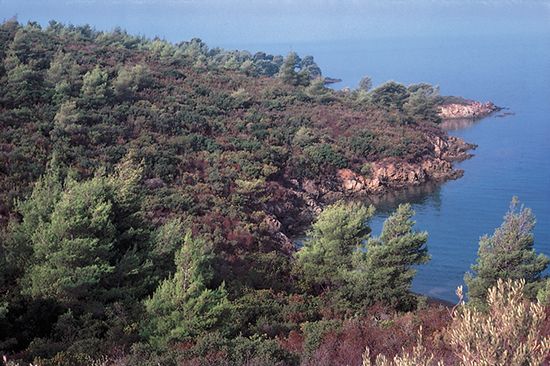
- Broad-leaved sclerophylls: Often associated with Mediterranean vegetation, these species (such as holly) thrive in climates featuring hot, dry summers and mild, wet winters.1
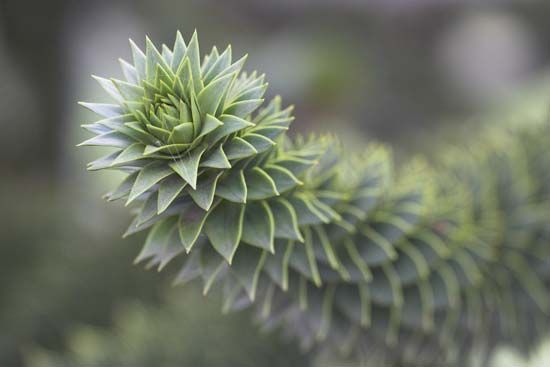
- Narrow-leaved sclerophylls: This group is characteristic of species such as pines.1
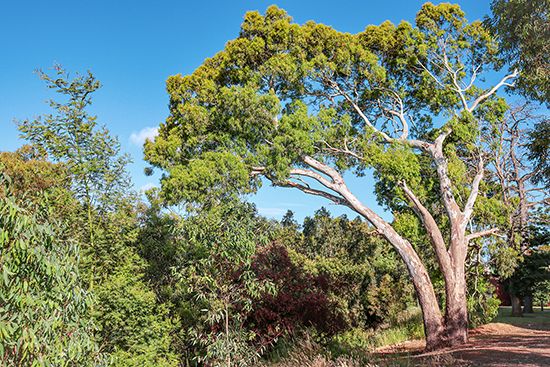
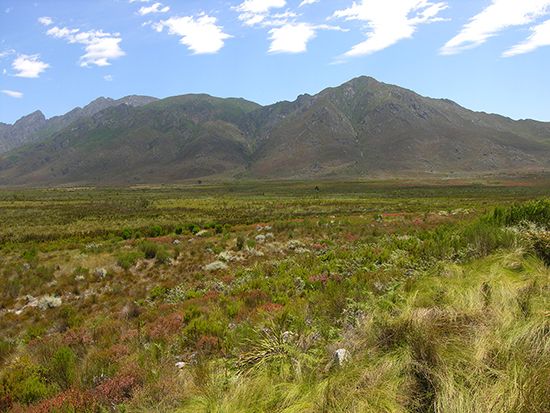
Sclerophyllous forests are found in various parts of the world, including regions surrounding the Mediterranean Sea and extensively across Australia, where the landscape is dominated by Eucalyptus trees. These forests often exist in environments where plants must endure significant stress, such as seasonal drought or fire, which can act as a boundary between sclerophyllous vegetation and moister rainforest ecosystems.2
How do sclerophyll plants survive in hot, dry climates?
Sclerophyll plants survive in hot, dry climates through specialized structural adaptations that minimize water loss and protect against environmental stress. Their primary feature is hard, leathery, evergreen foliage, which helps conserve water and prevent nutrient loss.15
Key adaptations include:
- Leaf Structure: These plants often feature reduced surface area, thick-walled and hairy epidermis layers, and a protective coating of cuticle and epicuticular wax.6
- Stomatal Control: Their stomates are typically smaller, more closely spaced, and sunken below the leaf surface, often shielded by wax or hairs to further reduce transpiration.6
- Fire and Heat Resistance: Many species have evolved to withstand frequent fire regimes. Some trees possess thick, fire-resistant bark, while others use dense, dead leaves or moist tissues to insulate buds against heat and desiccation.5
- Resource Management: In nutrient-poor soils, many sclerophylls form mutualistic relationships with nitrogen-fixing bacteria to support their growth.5
What role does fire play in maintaining sclerophyll forests?
Fire is a critical ecological factor in maintaining the health and composition of sclerophyll forests. Without periodic burning, these ecosystems would often transition into different vegetation types, such as tree-dominated forests, as fire-sensitive species would otherwise outcompete the fire-adapted flora.78
The role of fire in these environments includes:
- Reproductive Stimulation: Many sclerophyllous plants, such as Eucalyptus and Banksia, rely on fire to trigger reproduction. Some species possess serotinous fruits or cones that require the heat of a fire to melt resin and release seeds. Others remain dormant in the soil until stimulated by smoke chemicals or heat.71
- Resource Availability: Fire clears away dead leaf litter and competing vegetation, temporarily enriching the soil with ash and creating an ideal environment for seedlings to establish.7
- Structural Maintenance: Periodic fires kill young trees or suppress their growth, preventing them from overtaking the landscape and maintaining the open structure characteristic of many sclerophyllous communities.7
- Regeneration Mechanisms: Many plants are “resprouters,” utilizing underground organs like lignotubers or protected buds under their bark to rapidly regenerate after a blaze has destroyed their aboveground parts.71
Why are eucalyptus trees considered a classic example of sclerophyll vegetation?
Eucalyptus trees are considered a classic example of sclerophyll vegetation because they possess the defining structural adaptations required to survive in hot, dry environments where water conservation is essential.112
Their classification as sclerophylls is based on several key characteristics:
- Leathery Foliage: Eucalypts typically feature hard, leathery, evergreen leaves that are specifically adapted to minimize moisture loss.113
- Leaf Orientation: The leaves often hang obliquely or vertically, an orientation that helps reduce exposure to intense sunlight and further limits transpiration.13
- Oil Glands: Their leaves contain volatile aromatic oils, a common trait in many sclerophyllous species.1314
- Fire Adaptations: As archetypal Australian sclerophylls, eucalypts have evolved to thrive in fire-prone landscapes. They utilize lignotubers—underground woody organs—and protected buds under their bark to resprout vigorously after fire damage. Additionally, many species have serotinous fruits that require the heat of a fire to release their seeds, ensuring regeneration in the nutrient-rich, ash-covered soil that follows a blaze.93147
Sources
- Sclerophyll — Encyclopædia Britannica
- sclerophyll — Merriam-Webster
- Temperate forest - Flora — Encyclopædia Britannica
- lower vascular plant - Leaves — Encyclopædia Britannica
- Mediterranean vegetation — Encyclopædia Britannica
- Tree - Leaf adaptations — Encyclopædia Britannica
- Savanna - Role of wildfire — Encyclopædia Britannica
- Scrubland - Ecological importance of fire to scrubland communities — Encyclopædia Britannica
- Playing with Wildfire: 5 Amazing Adaptations of Pyrophytic Plants — Encyclopædia Britannica
- Wildfire: Top Questions — Encyclopædia Britannica
- ecological disturbance - Fire legacy in Yellowstone — Encyclopædia Britannica
- eucalyptus — Encyclopædia Britannica
- Mallee — Encyclopædia Britannica
- Myrtales - Characteristic morphological features — Encyclopædia Britannica
Published on · 3 min read