South Island
The South Island is the larger and southernmost of the two principal islands of New Zealand, situated in the southwestern Pacific Ocean. It is separated from…
What is the geographical size and location of the South Island in New Zealand?
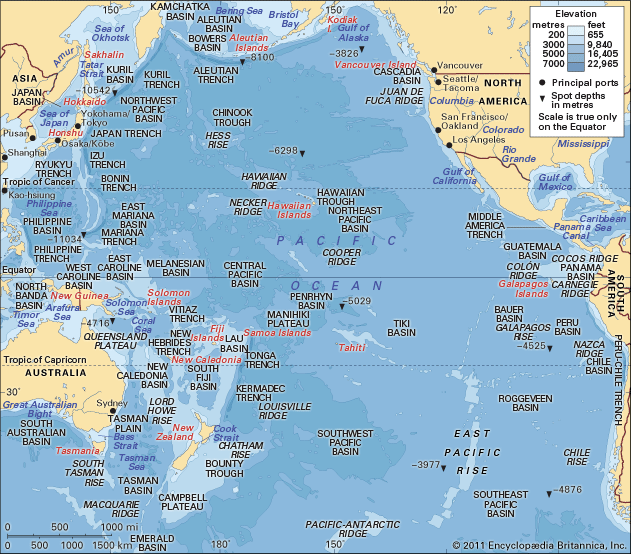
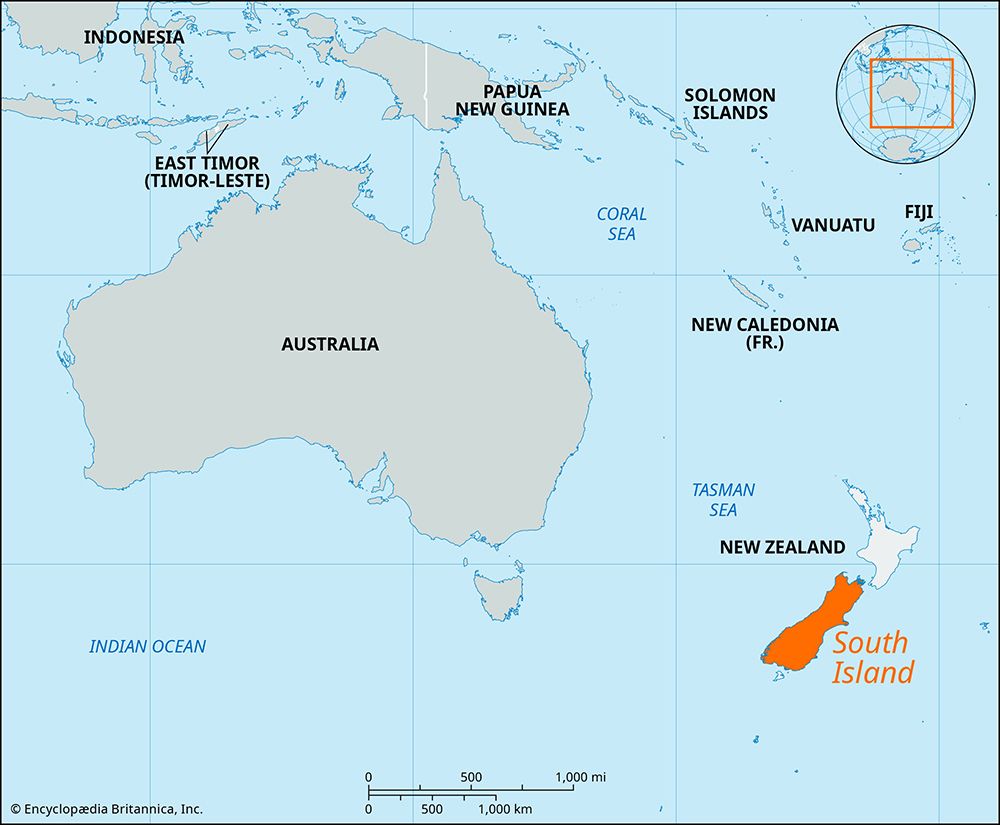
The South Island is the larger and southernmost of the two principal islands of New Zealand, situated in the southwestern Pacific Ocean. It is separated from the North Island to the north by the Cook Strait and from Stewart Island to the south by the Foveaux Strait.1
Regarding its geographical size, sources provide slightly varying figures. According to Britannica, the island covers an area of 58,776 square miles (152,229 square km). Other references estimate the area at 59,439 square miles (153,947 square km).12
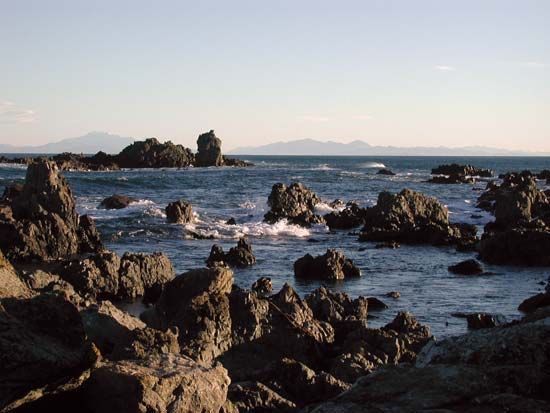
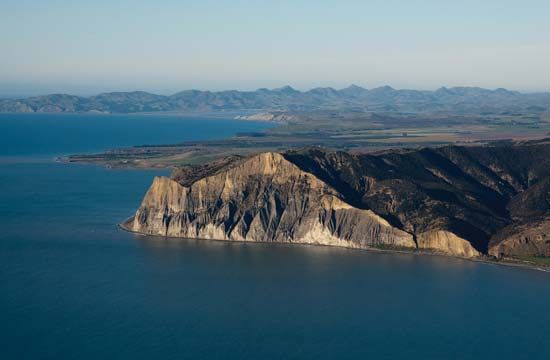
The island is characterized by its mountainous terrain, which occupies nearly three-quarters of its landmass, dominated by the Southern Alps.1
What is the population distribution on the South Island, and how does it compare to the North Island?
The population of New Zealand is unevenly distributed between its two main islands, with the North Island housing the great majority of the national population—approximately three-fourths of the total. In contrast, the South Island has experienced less rapid population growth over time.314
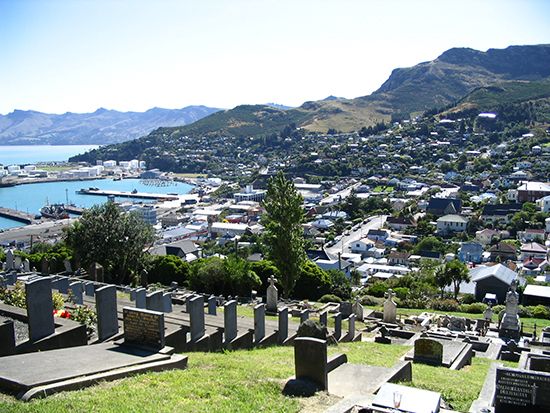
While the North Island’s population is heavily concentrated in major urban centers like Auckland and the capital, Wellington, the South Island’s population is primarily located in coastal urban areas, including Christchurch, Dunedin, and Invercargill.341
Overall, New Zealand is a highly urbanized nation, and while the countryside remains thinly populated, there is a clear demographic trend favoring the North Island, which continues to gain an increasingly larger proportion of the country’s residents. Additionally, the North Island is home to the majority of the Māori population.31
What are the major geographical features of the South Island, including mountain ranges and lakes?
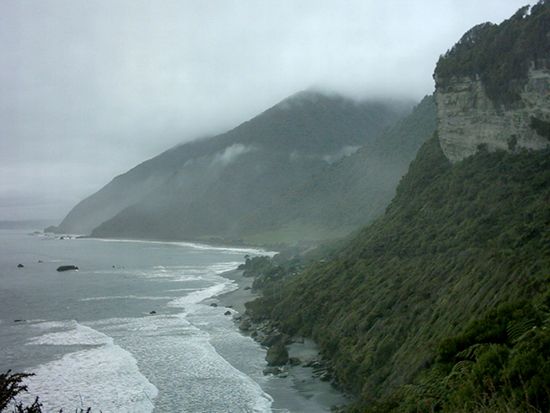
The South Island of New Zealand is defined by a rugged and diverse landscape, with mountainous terrain covering nearly three-quarters of its landmass.6
Mountain Ranges
The most prominent feature is the Southern Alps/Kā Tiritiri o te Moana, a 300-mile (480-km) chain of fold mountains that runs the length of the island. This range includes:78
- Aoraki/Mount Cook: The highest peak in New Zealand, reaching 12,316 feet (3,754 metres).76
- High Peaks: The range contains approximately 20 peaks exceeding 10,000 feet (3,000 metres).8
- Regional Variations: In the north, the mountains break into steep ridges, while the southwest is characterized by the rugged, dissected wilderness of Fiordland.8
Glaciers and Lakes
The island features an extensive glacial system with more than 360 glaciers. The Tasman Glacier is the largest, flowing from the eastern slopes of Aoraki/Mount Cook.8
Many of the island’s significant lakes were formed in valleys overdeepened by glaciation and dammed by morainal debris. Notable examples include:1910
- Lake Te Anau: The largest of the “Southern Lakes,” known for its deep fjords and alpine setting.910
- Lake Wakatipu: An S-shaped lake famous for its depth and the surrounding Remarkable mountain range.1
What are some of the unique flora and fauna found on the South Island?
The South Island of New Zealand is home to a unique array of flora and fauna, shaped by the country’s long-standing geographic isolation.
Unique Flora
The island’s vegetation is characterized by mixed evergreen forests, with nearly nine-tenths of indigenous plant species found nowhere else in the world.
- False Beech (Nothofagus): These trees are the predominant forest species along the mountain chains that run the length of the island.
- Native Timber: The west coast of the South Island still retains dense “bush” that serves as a primary source of native timber.
- Podzolized Forests: Forests of kauri pine and rimu are indicative of specific soil conditions found in the region.
Unique Fauna
New Zealand’s isolation allowed for the evolution of distinct animal species, particularly among birds and reptiles.
- Flightless Birds: The South Island is a habitat for several flightless species, including the kiwi, the takahe, and the weka. The western weka, a subspecies with nearly black plumage, is common in the northern and western parts of the South Island.
- Reptiles: The tuatara, a “beak-headed” reptile that has been extinct elsewhere for 100 million years, remains extant in protected areas.
- Marine Life: The surrounding waters host a variety of species, from tropical fish like tuna and marlin to cold-water species such as blue and red cod.
Sources
- South Island — Encyclopædia Britannica
- South Island — Merriam-Webster
- North Island — Encyclopædia Britannica
- New Zealand - Settlement patterns — Encyclopædia Britannica
- New Zealand - Demographic trends — Encyclopædia Britannica
- Southern Alps/Kā Tiritiri o te Moana — Encyclopædia Britannica
- New Zealand - Relief of New Zealand — Encyclopædia Britannica
- Wakatipu Lake — Encyclopædia Britannica
- Lake Te Anau — Encyclopædia Britannica
- New Zealand - Climate — Encyclopædia Britannica
- Southland — Encyclopædia Britannica
- New Zealand - Plant and animal life — Encyclopædia Britannica
- Weka — Encyclopædia Britannica
- New Zealand - Soils of New Zealand — Encyclopædia Britannica
- Mountain ecosystem - Flora — Encyclopædia Britannica
Published on · 3 min read