Teosinte
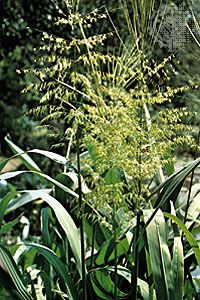
Teosinte refers to any of four species of tall, stout grasses in the genus Zea within the Poaceae family. Native to Mexico, Guatemala, Honduras, and…
What is Teosinte?
Teosinte refers to any of four species of tall, stout grasses in the genus Zea within the Poaceae family. Native to Mexico, Guatemala, Honduras, and Nicaragua, these plants exist as either solitary annuals or spreading perennials.12
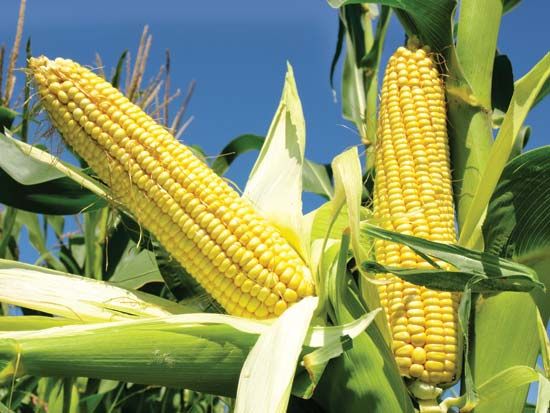
While teosinte strongly resembles domesticated corn in its male tassels, it differs significantly in its female reproductive structure: it produces small, hidden ears containing only 5–12 seeds. Genetic evidence indicates that the Balsas teosinte (Z. mays parviglumis) is the wild ancestor of modern maize, having been domesticated in southern Mexico more than 6,000 years ago.13
Beyond its ancestral role, teosinte is valued for its high resistance to various viral and fungal plant diseases and insect pests that typically affect corn. Some theories suggest that early peoples may have initially exploited teosinte for the sweet flavor of its stalks and leaves or for its potential in hybridization with other grasses like gamma grass.13
How did ancient people transform teosinte into modern corn?
The transformation of teosinte into modern corn was a gradual process driven by native peoples in southern Mexico beginning approximately 10,000 years ago. Through many generations of selective breeding, early farmers isolated and propagated plants with desirable traits, such as increased kernel numbers, eventually turning a wild grass with small, hidden seeds into the robust, productive crop known today.4512
While some early models proposed that massive mutations accounted for the development of the corn cob, recent genetic analysis suggests a more complex origin. It is possible that Balsas teosinte hybridized with gamma grass, creating a plant with a cob structure that early humans then selected for cultivation.1
Alternatively, researchers suggest that early populations may have initially exploited teosinte and early corn for the sweet sugar content in their stalks and leaves rather than their kernels. Over time, the continued selection for specific qualities transformed the plant into a staple food source that supported the rise of complex civilizations across the Americas.12
What other crops were domesticated in ancient Mesoamerica?
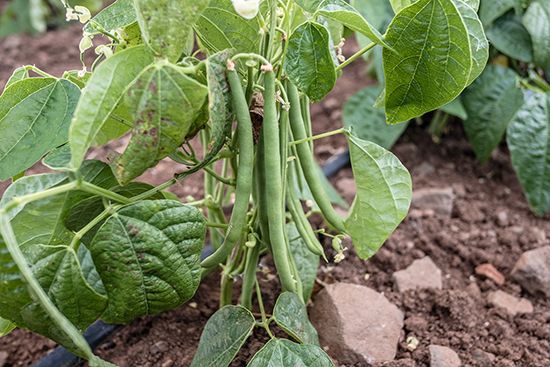
Ancient Mesoamerican peoples domesticated a wide variety of crops that formed the foundation of their agricultural societies. Beyond the “Three Sisters”—corn, beans, and squash—early farmers cultivated numerous other plants to support their growing populations.278
Key crops domesticated or widely cultivated in ancient Mesoamerica include:
- Vegetables and Fruits: Avocados, chili peppers, tomatoes, tomatillos, papayas, and sweet potatoes.29
- Grains and Seeds: Amaranth and chia, both of which were staples for civilizations like the Aztecs.9
- Industrial and Luxury Crops: Cotton for textiles and cacao, which was culturally significant to the Maya.29
- Early Foraged Foods: Archaeological evidence from sites like Guilá Naquitz shows that early populations also relied on acorns, piñon pine nuts, prickly pear, and mesquite seeds before transitioning to full-scale cultivation.2
What is the role of gamma grass in the history of corn?
The role of gamma grass (Tripsacum dactyloides) in the history of corn is a subject of significant scientific interest regarding the plant’s origins. While teosinte is widely recognized as the primary ancestor of corn, researchers have long sought to explain how the plant developed its uniquely robust and productive cob structure, which is absent in wild teosinte varieties.1
A prominent genetic model suggests that a cross between teosinte and gamma grass produced a hybrid possessing the cob structure characteristic of modern corn. In this scenario, ancient peoples may have identified these natural teosinte-Tripsacum crosses in the wild and subsequently selected them for cultivation. This theory offers an alternative to models that rely on a series of massive, unexplained mutations to account for the rapid evolution of the corn cob. Furthermore, because Tripsacum has a historical association with food use, it is plausible that early populations recognized and utilized the benefits of this hybridization.1
Sources
- teosinte — Encyclopædia Britannica
- Origins of agriculture - Mesoamerica — Encyclopædia Britannica
- teosinte — Merriam-Webster
- Corn: Top Questions — Encyclopædia Britannica
- Corn - Domestication and history — Encyclopædia Britannica
- selective breeding — Encyclopædia Britannica
- Pre-Columbian civilizations - Incipient agriculture (6500–1500 bce ) — Encyclopædia Britannica
- Milpa — Encyclopædia Britannica
- 18 Food Crops Developed in the Americas — Encyclopædia Britannica
Published on · 3 min read