Tomatillo
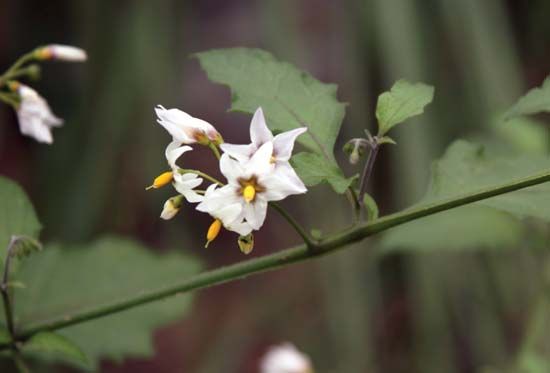
The tomatillo (Physalis philadelphica) is a tart, edible fruit produced by an annual plant native to Mexico and Central America. A member of the nightshade…
What is Tomatillo?
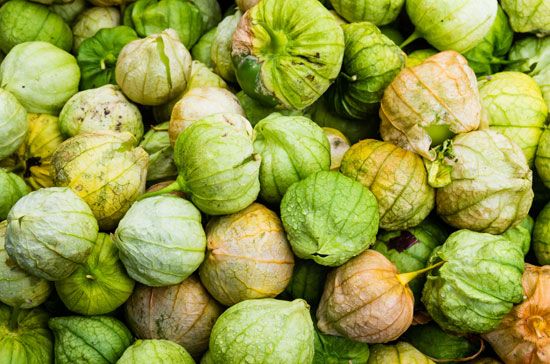
The tomatillo (Physalis philadelphica) is a tart, edible fruit produced by an annual plant native to Mexico and Central America. A member of the nightshade family, it is a type of ground cherry characterized by a papery husk that develops from the calyx after pollination.12
Domestication of the plant dates back to the Aztecs around 800 BCE. The fruit, which is a berry, can be eaten raw or cooked and is a key ingredient in salsa verde, soups, and chutneys. Nutritionally, it provides dietary fiber, vitamin C, vitamin K, and niacin. While widely cultivated in Mexico and Guatemala, the plant is considered an invasive species in some parts of the United States.21
What other plants belong to the nightshade family?
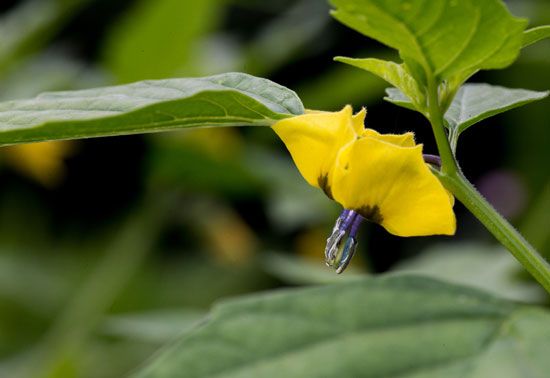
The Solanaceae family, commonly known as the nightshade or potato family, encompasses over 2,200 species, including many essential food crops, medicinal plants, and garden ornamentals. While the term “nightshade” is often associated with toxicity due to the presence of alkaloids, the family is highly diverse.345
Major Food Crops
Several staples of the human diet belong to this family, primarily within the genus Solanum and Capsicum:
- Potato (Solanum tuberosum)34
- Tomato (Solanum lycopersicum)34
- Eggplant (Solanum melongena)34
- Peppers (genus Capsicum), including bell peppers, chili peppers, cayenne, and tabasco346
- Ground cherry (genus Physalis), including the tomatillo and Cape gooseberry36
Medicinal and Poisonous Plants
Some members are valued for their chemical properties or are known for their toxicity:
- Tobacco (Nicotiana species)34
- Belladonna (Atropa belladonna)34
- Jimsonweed (Datura stramonium)34
- Henbane (Hyoscyamus niger)36
- Mandrake (genus Mandragora)3
Ornamentals
Many species are cultivated for their aesthetic appeal:
How did the Aztecs use tomatillos in their diet?
The tomatillo (Physalis philadelphica) was a significant food crop for the Aztecs, who are believed to have first domesticated the plant in central Mexico around 800 BCE.1
While the specific culinary preparations of the ancient Aztecs are not detailed in the provided records, the tomatillo has served as a staple in Mesoamerican diets for millennia, utilized by both the Aztecs and the Mayans. The name tomatillo itself is derived from the Nahuatl word tomatl, reflecting its deep roots in the region’s linguistic and agricultural history. Today, the fruit remains a foundational ingredient in traditional dishes, commonly roasted and ground with spicy peppers to create salsa verde, a condiment used to enhance the flavor of meats and other foods.12
Why do tomatillos grow inside a papery husk?
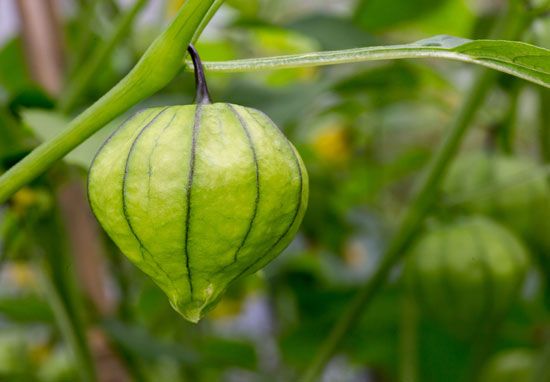
The papery husk surrounding a tomatillo is a specialized development of the plant’s calyx.
In most flowering plants, the calyx—the outermost whorl of a flower consisting of sepals—serves primarily to protect the developing flower bud. However, in the case of the tomatillo, the calyx remains persistent after the flower has been pollinated. As the fruit begins to develop, the calyx surrounds the ovary and continues to grow along with it, eventually forming the thin, papery husk that encases the maturing berry. This structure acts as a protective covering for the fruit as it ripens.829
Sources
- Tomatillo: Top Questions — Encyclopædia Britannica
- Tomatillo — Encyclopædia Britannica
- list of plants in the family Solanaceae — Encyclopædia Britannica
- Solanales - Family characteristics — Encyclopædia Britannica
- Solanaceae — Encyclopædia Britannica
- list of economically important members of the family Solanaceae — Encyclopædia Britannica
- Nightshade — Encyclopædia Britannica
- husks — Merriam-Webster
- Angiosperm - The calyx — Encyclopædia Britannica
- Calyx — Encyclopædia Britannica
Published on · 3 min read