Yellow-flowered Gourd
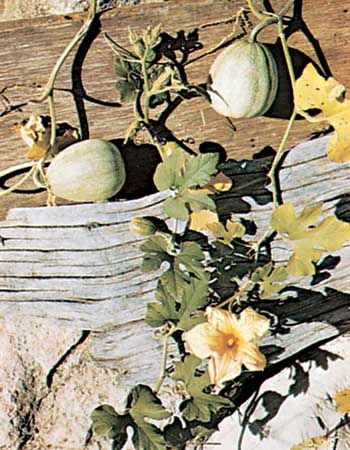
The yellow-flowered gourd (Cucurbita pepo ovifera) is a trailing vine native to North America and Mexico, valued for its diverse range of hard-shelled fruits.
What are the traditional and modern uses of yellow-flowered gourds?
The yellow-flowered gourd (Cucurbita pepo ovifera) is a trailing vine native to North America and Mexico, valued for its diverse range of hard-shelled fruits.1
Traditional and Modern Uses
- Ornamental Decoration: The primary modern use for many varieties is as autumnal decoration. Because these fruits often feature unique shapes—such as nest egg, pear, spoon, or ladle forms—and can be naturally striped, mottled, or banded, they are highly sought after for display.1
- Artistic Medium: Certain solid-colored varieties are specifically favored for painting.1
- Culinary Use: While many ornamental gourds are inedible, some specific varieties within the species are cultivated as squash for food consumption.1
- Utility and Craft: Historically and in modern craft, dried gourds from the broader Cucurbitaceae family are fashioned into functional items like utensils, cups, bottles, scoops, ladles, and birdhouses. They are also frequently used to construct various musical instruments, including rattles and stringed instruments.2
What are some common species of yellow-flowered gourds?
The term “yellow-flowered gourd” specifically refers to the subspecies Cucurbita pepo ovifera, which is a trailing vine known for its hard-shelled, ornamental fruits. While the name is often used to describe this specific subspecies, the broader Cucurbitaceae family contains many other species that also produce yellow flowers and are commonly referred to as gourds.12
Common species and types within this category include:
- Yellow-flowered gourd (Cucurbita pepo ovifera): This species includes various ornamental forms often named for their shapes, such as the nest egg, pear-shaped, spoon, and ladle gourds.12
- Bottle gourd (Lagenaria siceraria): Also known as the calabash, this species is widely used for creating containers, utensils, and musical instruments.2
- Wax gourd (Benincasa hispida): A species cultivated for its fruit.2
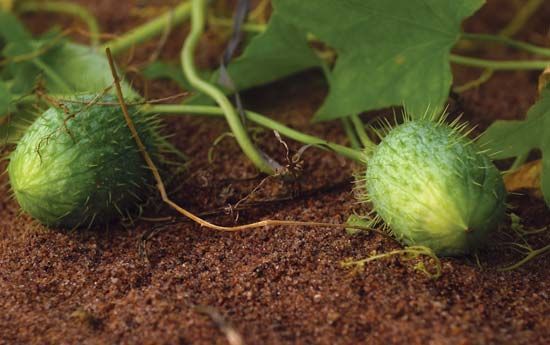
- Teasel gourd (Cucumis dipsaceus): A member of the gourd family often grown for its distinct appearance.2
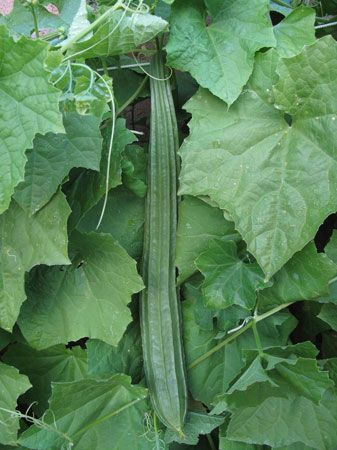
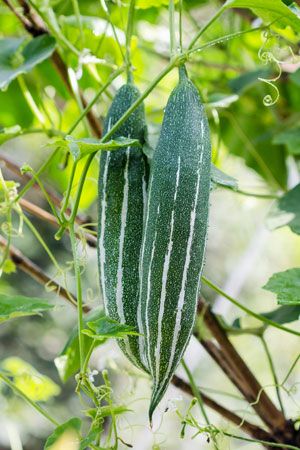
- Snake gourd (Trichosanthes cucumerina): Known for its elongated, serpentine fruit.2
- Loofah (Luffa species): Also called the sponge gourd, these are well-known for their fibrous interior used as sponges.2
What are the main characteristics of yellow-flowered gourd plants?
The yellow-flowered gourd (Cucurbita pepo ovifera) is an annual trailing vine belonging to the Cucurbitaceae family. Its primary characteristics include:
- Vegetative Structure: Both the stems and the large, triangular, deeply lobed leaves are covered in short, prickly bristles. Like many members of its family, it utilizes spirally coiled tendrils—often considered modified shoots—to climb and support its vining stems.15
- Flowers: The plant produces large, showy, unisexual yellow flowers. Both male and female flowers grow on the same plant, though male flowers typically appear about a week earlier and are located toward the ends of the runners.1
- Fruit: Known for its hard-shelled fruit, the plant produces forms that are often banded, striped, or mottled in yellow and green. Varieties are frequently categorized by their distinct shapes, such as nest egg, pear, spoon, or ladle gourds, spoon, or ladle gourds.1
- Growth Requirements: The plant requires a long growing season to reach maturity and is highly sensitive to frost, thriving best in warm conditions.15
How have yellow-flowered gourds been used in art and decoration throughout history?
Yellow-flowered gourds (Cucurbita pepo ovifera) and other members of the gourd family have been utilized for artistic and decorative purposes for centuries. Because these fruits possess a hard, durable rind, they have historically been transformed into both functional art and aesthetic displays.12
Decorative and Artistic Uses
- Autumnal Displays: The yellow-flowered gourd is primarily valued for its ornamental fruit, which often features natural bands, stripes, or mottling in shades of yellow and green. Their bizarre, warty shapes—such as the nest egg, pear, spoon, and ladle forms—make them popular choices for seasonal decorations.1
- Painting and Crafting: Certain varieties, particularly those with solid brown-white rinds, are specifically sought after for painting and other decorative crafts.1
- Utensils and Vessels: Beyond simple display, dried gourds have been fashioned into a wide array of objects, including cups, bottles, scoops, and ladles, serving as both practical tools and artistic expressions of craftsmanship.2
- Musical Instruments: Gourds are integral to the construction of various musical instruments worldwide, such as the West African shekere, Latin American maracas, and the Indian kanjira. They also serve as resonant components for stringed instruments like the sitar and the kora.2
Sources
- Yellow-flowered gourd — Encyclopædia Britannica
- gourd — Encyclopædia Britannica
- gourd — Merriam-Webster
- list of vegetables — Encyclopædia Britannica
- Cucurbitaceae — Encyclopædia Britannica
- Cucurbitales - Cucurbitaceae — Encyclopædia Britannica
- Zucchini: Top Questions — Encyclopædia Britannica
Published on · 3 min read