Zavaritzki Caldera
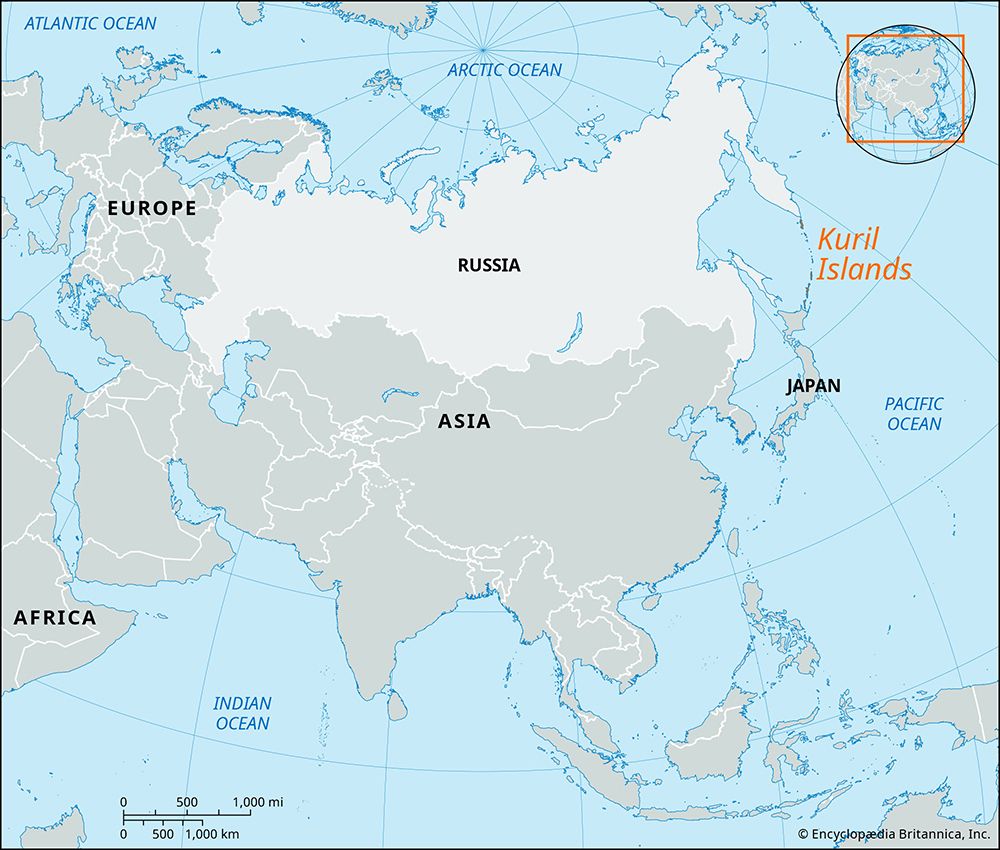
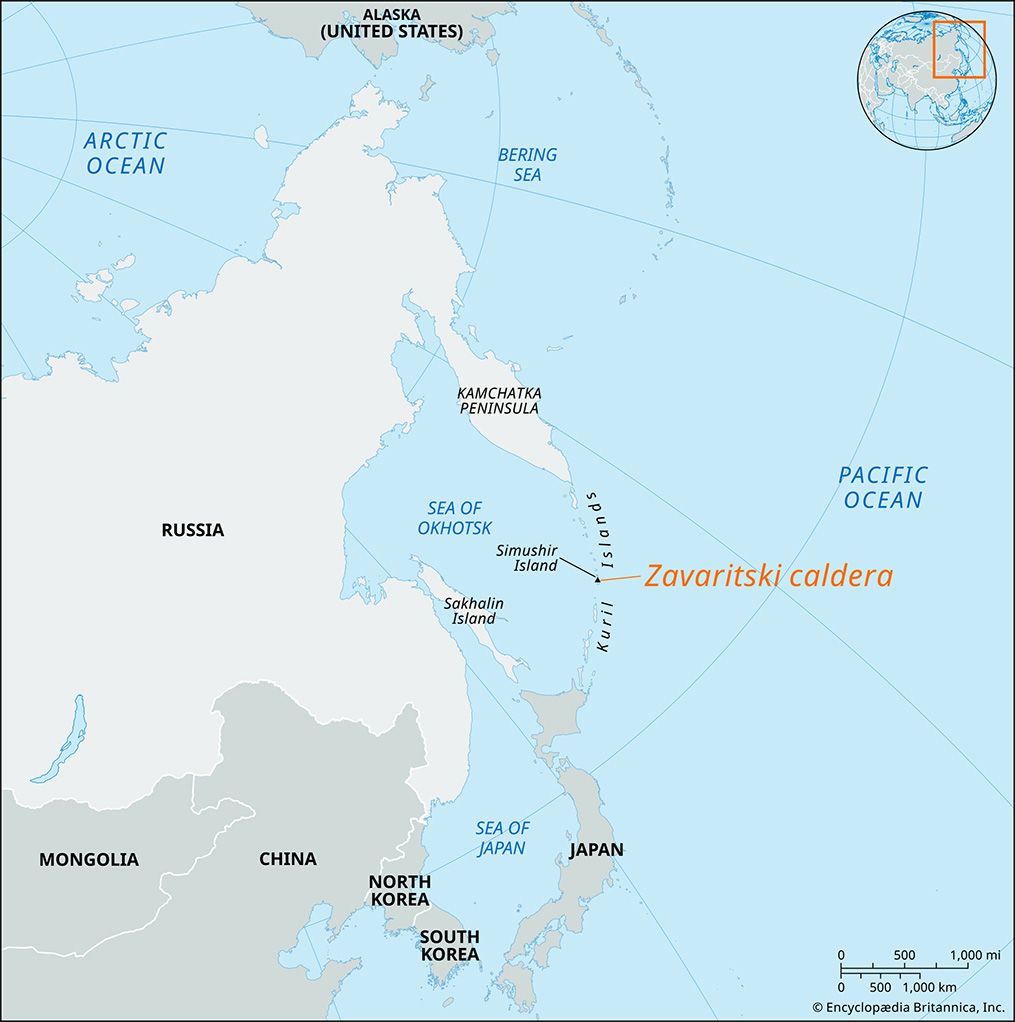
The Zavaritzki caldera is a volcano located on Simushir Island in the Kuril Islands, Russia. It is a system composed of three nested calderas that form…
What is Zavaritzki caldera?
The Zavaritzki caldera is a volcano located on Simushir Island in the Kuril Islands, Russia. It is a system composed of three nested calderas that form Biryuzovoe Lake, accompanied by several lava domes and cinder cones1. It is often confused with Zavaritsky, an inactive volcano on the Kamchatka Peninsula.12
The volcano gained significant scientific attention following a 2024 study linking its 1831 eruption to a major global cooling event. This explosion released 13 million metric tons of sulfur into the atmosphere, creating a stratospheric layer of sulfate aerosols that caused global temperatures to drop by approximately 1 °C. The resulting climate disruption altered weather patterns, leading to widespread crop failures and famines in India and Japan2.2
How do volcanic eruptions affect the Earth’s climate?
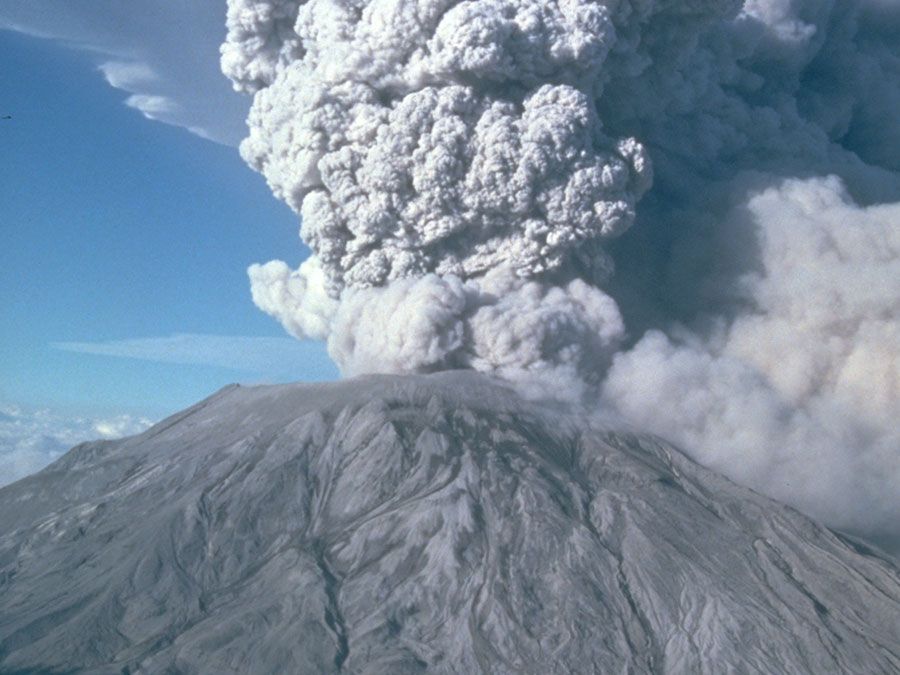
Volcanic eruptions can significantly influence Earth’s climate by injecting fine dust and sulfate aerosols—specifically sulfuric acid droplets—into the stratosphere. Because these particles reach altitudes above tropospheric rain clouds, they are not quickly washed away and can persist for several years, spreading globally to form haze layers that reflect sunlight.34
The primary climatic impact is a temporary cooling effect. For example, the 1991 eruption of Mount Pinatubo lowered average global temperatures by approximately 0.5 °C (0.9 °F) for several years. Similarly, the 1815 eruption of Mount Tambora is famously associated with the “year without a summer” in 1816.34
However, the impact is complex:
- Location matters: Tropical eruptions often have a greater global impact than those at higher latitudes, as stratospheric circulation spreads aerosols more widely.4
- Regional warming: While the troposphere generally cools, volcanic aerosols can alter wind patterns, potentially leading to warmer winters in specific regions like Europe.4
- Variability: Not all large eruptions produce measurable cooling, and natural climate fluctuations make it difficult to isolate volcanic impacts from other environmental changes.3
What are the differences between a caldera and a typical volcano?
The primary distinction between a caldera and a typical volcano—such as a stratovolcano—lies in their formation and scale.
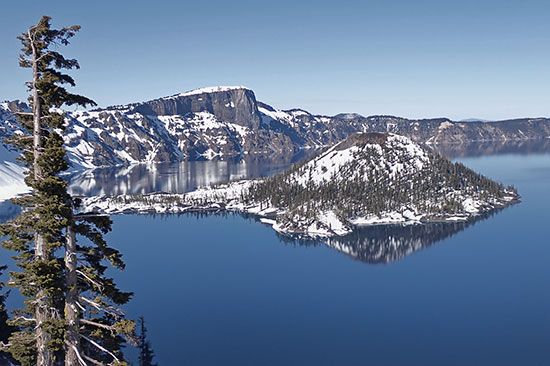
- Formation: A typical volcano is a landform built up over time by the accumulation of lava, ash, and other materials. In contrast, a caldera is a large, bowl-shaped depression formed by the inward collapse of the ground. This collapse occurs when a massive eruption rapidly empties an underlying magma reservoir, leaving the surface without structural support.567
- Size: Calderas are significantly larger than the craters found at the summits of typical volcanoes. While a crater is a vent-related feature, a caldera is often more than 1 km (0.6 mile) in diameter and can be many times the size of the original volcanic vent.587
- Relationship: These features are not mutually exclusive. A caldera can form at the summit of a stratovolcano or a shield volcano following a major eruption. Furthermore, small volcanic cones can later develop on the floor of an existing caldera.586
What is the Little Ice Age and what caused it?
The Little Ice Age (LIA) was a period of climatic cooling that occurred roughly between 1300 and 1850 CE, following the Medieval Warming Period. During this interval, mean annual temperatures in the Northern Hemisphere declined by approximately 0.6 °C (1.1 °F), leading to the significant expansion of mountain glaciers in regions such as the European Alps, Alaska, and New Zealand.10
While the exact causes remain a subject of scientific study, climatologists generally attribute the phenomenon to a combination of three primary factors:
- Reduced Solar Output: Periods of low sunspot activity, specifically the Spörer Minimum and the Maunder Minimum, coincided with some of the coldest years of the LIA, suggesting that decreased solar radiation contributed to the cooling.10
- Atmospheric Circulation: Many scientists point to a reversal or shift in the North Atlantic Oscillation, which altered storm tracks and allowed cold Arctic air to penetrate northern Europe.10
- Explosive Volcanism: Major volcanic eruptions, such as those of Laki and Mount Tambora, injected ash and gases into the stratosphere. These particles reflected sunlight, causing temporary but significant global cooling.10
Sources
- Zavaritzki caldera: Top Questions — Encyclopædia Britannica
- Zavaritzki caldera — Encyclopædia Britannica
- volcano - Long-term environmental effects — Encyclopædia Britannica
- Global warming - Volcanic aerosols — Encyclopædia Britannica
- volcano - Calderas — Encyclopædia Britannica
- Did you know? — Merriam-Webster
- caldera — Encyclopædia Britannica
- stratovolcano — Encyclopædia Britannica
- volcano - Stratovolcanoes — Encyclopædia Britannica
- Little Ice Age — Encyclopædia Britannica
- Little Ice Age — Merriam-Webster
- plate tectonics - Climate — Encyclopædia Britannica
Published on · 3 min read