Kamchatka Peninsula
The Kamchatka Peninsula has historically been home to several Indigenous peoples, most notably the Itelmen and the Koryak.
What indigenous peoples have historically inhabited the Kamchatka Peninsula?
The Kamchatka Peninsula has historically been home to several Indigenous peoples, most notably the Itelmen and the Koryak.12
- Itelmen: Recognized as the primary Indigenous inhabitants of the southern Kamchatka Peninsula, the Itelmen were traditionally sedentary hunter-gatherers who relied heavily on salmon runs and the gathering of wild plants. Following Russian annexation in the late 17th century, many were absorbed into an ethnically mixed group known as the Kamchadal.12
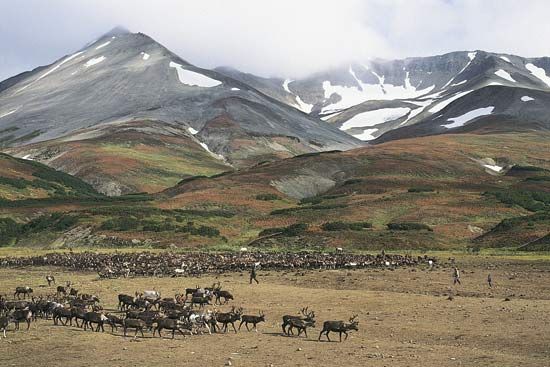
- Koryak: Primarily inhabiting the northern half of the peninsula and the Koryak Plateau, the Koryak are divided into inland reindeer-herding groups and sedentary coastal groups that focus on fishing and sea-mammal hunting.314
- Other Groups: Small numbers of Unangan (Aleut) also reside on Bering Island, part of the Komandor Islands off the coast of Kamchatka; their ancestors were transported there by the Russian-American Company in the early 19th century to exploit fur resources.1
What is the cultural and economic significance of the Kamchatka Peninsula for Russia?
The Kamchatka Peninsula is a vital region for Russia, primarily serving as a cornerstone of the nation’s fishing industry. This sector is the peninsula’s most significant economic activity, with a strong focus on large-scale crabbing and the processing of catches like salmon, herring, and cod for both domestic and export markets.678
Beyond its commercial fishing output, the region holds strategic and developmental importance:
- Energy: Kamchatka is home to Russia’s first geothermal power station, which utilizes the peninsula’s extensive volcanic activity and hot springs to generate electricity.68
- Geography and Resources: The region features a rugged, volcanic landscape that supports limited agriculture and timber harvesting in the Kamchatka River valley, though the harsh climate restricts large-scale development.68
- Demographics: The territory, centered in Petropavlovsk-Kamchatsky, is sparsely populated and primarily inhabited by Russian settlers alongside Indigenous groups such as the Koryak, Itelmen, and Evens/topic/Itelmen), and Evens.68
What is the climate like on the Kamchatka Peninsula, and how does it affect the local ecosystem?
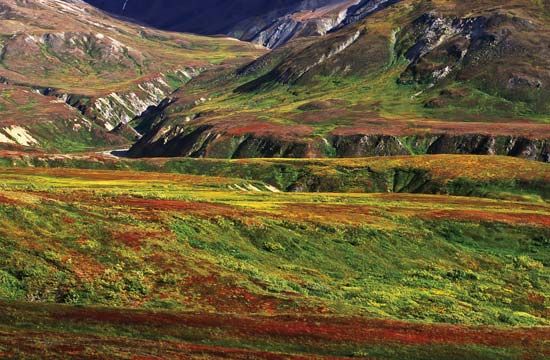
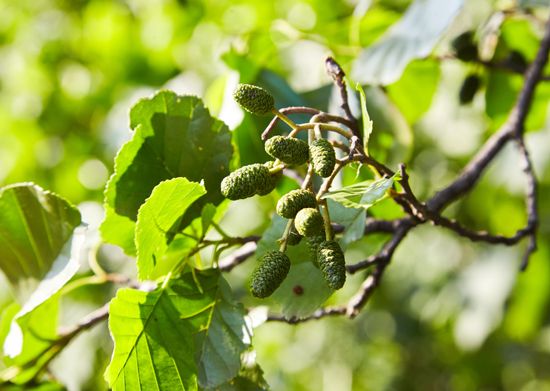
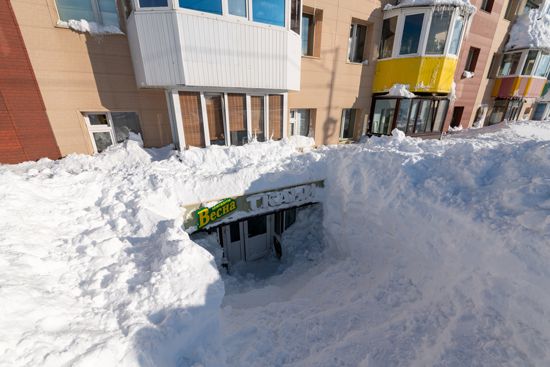
The Kamchatka Peninsula experiences a severe climate characterized by long, cold, and snowy winters, followed by wet, cool summers. This harsh environment significantly dictates the region’s tundra ecosystem, which is dominated by mosses, lichens, and thickets of Kamchatka alder.69
The climate’s influence on vegetation varies by topography:
- Sheltered Lowlands: In areas like the Kamchatka River valley, the climate supports birch or larch forests, with willow and poplar thriving in wetter zones.6
- Mountain and Coastal Regions: These areas feature tundra landscapes composed of grasses, dwarf birch scrub, and Russian rock birch forests.10
This environment sustains a diverse array of wildlife, including brown bear, reindeer, bighorn sheep, and various marine mammals such as ringed seal and Steller’s sea lion, which are adapted to the peninsula’s rugged, volcanic terrain and thermal features.610
What are some of the unique wildlife species found on the Kamchatka Peninsula?
The Kamchatka Peninsula supports a diverse range of wildlife, particularly within protected areas like the Kronotsky Nature Reserve. The region’s unique combination of volcanic landscapes, tundra, and coastal waters provides habitats for numerous species.
Terrestrial Wildlife
The peninsula is well-known for its large populations of brown bear. Other notable land animals include:
- Reindeer
- Bighorn sheep
- Sable
- Marmot, pika, and Arctic ground squirrel9
Marine and Coastal Wildlife
The surrounding waters and coastlines are rich in marine life, including:
- Steller’s sea lion and ringed seal9
- Walrus, fur seal, and sea otter6
- Various whale species, such as the gray whale, which migrate to the area to feed6
- A variety of birds, including geese, ducks, and swans9
The region also hosts significant fish populations, most notably salmon, which are central to the local ecosystem and economy.6
Sources
- Koryak — Encyclopædia Britannica
- Arctic - North-central and northeastern Siberian groups — Encyclopædia Britannica
- Itelmen — Encyclopædia Britannica
- Koryak — Encyclopædia Britannica
- Petropavlovsk-Kamchatsky — Encyclopædia Britannica
- Kamchatka Peninsula — Encyclopædia Britannica
- Russia - Fishing — Encyclopædia Britannica
- Kamchatka — Encyclopædia Britannica
- Kronotsky Nature Reserve — Encyclopædia Britannica
- Kamchatka Peninsula: Top Questions — Encyclopædia Britannica
- Bering Sea and Strait - Biological and mineral resources — Encyclopædia Britannica
Published on · 3 min read