Abajo Mountains
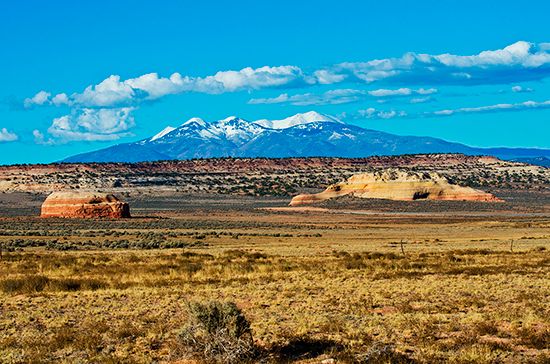
The Abajo Mountains are a volcanic mountain range located in San Juan County, southeastern Utah, within the Colorado Plateau.
What is Abajo Mountains?
The Abajo Mountains are a volcanic mountain range located in San Juan County, southeastern Utah, within the Colorado Plateau.1
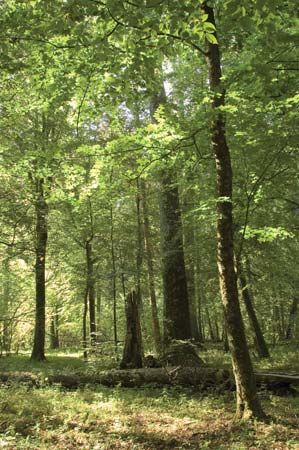
Also known locally as the Blue Mountains due to their appearance, the range consists of eight distinct summits, with Abajo Peak serving as the highest point at 11,362 feet (3,463 metres). The mountains are situated within the Manti-LaSal National Forest and are characterized by dense forests. Economically, the region is supported by mining and lumbering, while the area remains a popular destination for hikers and sport hunters.1
What is the Colorado Plateau?
The Colorado Plateau is a vast physiographic province of the Intermontane Plateaus region, covering approximately 130,000 square miles (337,000 square km) across the southwestern United States. It extends over the southeastern half of Utah, the northern half of Arizona, northwestern New Mexico, and extreme western Colorado./New-Mexico), and extreme western Colorado.2
Bounded by the Rocky Mountains, the Great Basin, and the Sonoran Desert, the region is defined by high mountains, deep river canyons, buttes, and mesas. The Colorado River system has carved iconic features like the Grand Canyon through the plateau’s rock layers.2
Geologically, the plateau is notable for having resisted the crustal stretching that shaped the surrounding Basin and Range Province. While it experiences arid conditions in many areas, its climate varies significantly with elevation, supporting thick forests at higher altitudes.234
How are volcanic mountains formed?
Volcanic mountains are formed through the process of volcanism, where molten rock, known as magma, rises from the Earth’s mantle or crust to the surface. As this magma reaches the surface, it erupts as lava and accumulates, eventually building up into a volcano or a mountain range over time.789
The formation of these mountains typically occurs in three primary geologic settings:
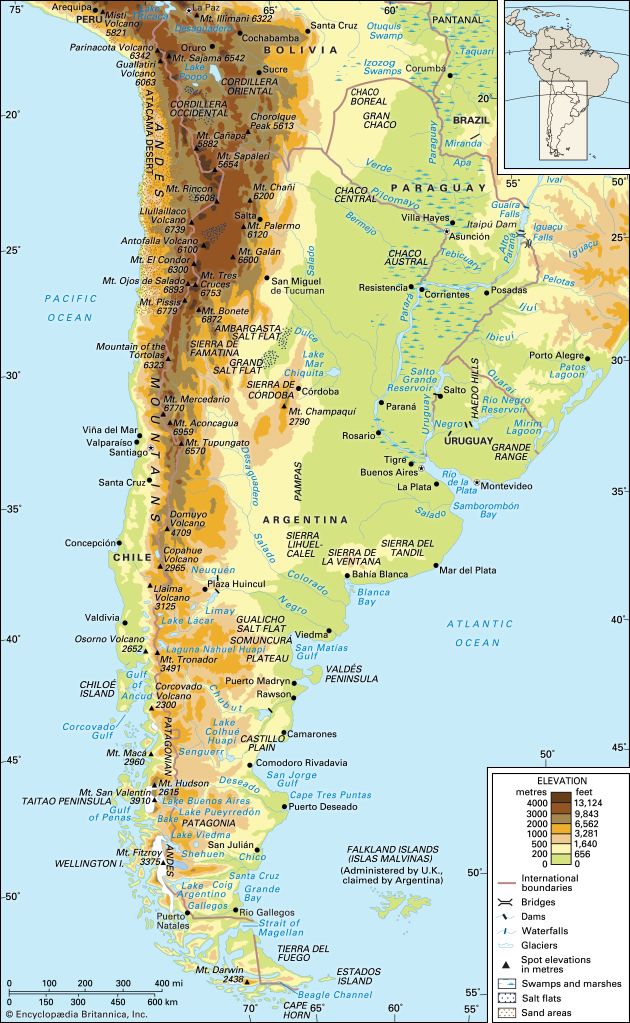
- Subduction Zones: When two tectonic plates converge, one is forced beneath the other. This process generates heat that melts rock, creating magma that rises to form chains of volcanic peaks, such as the Andes.109
- Oceanic Ridges: Along the axes of oceanic ridges, plates move apart, allowing magma to well up from the mantle and create new crust. While mostly underwater, this can form mountains that emerge above sea level, such as in Iceland.10
- Hotspots: Far from plate boundaries, volcanoes can form where rising magma melts through the crust at a stationary hotspot, as seen in Hawaii.108
The final shape and height of these mountains are determined by the volume of material erupted, the viscosity of the lava, and the environment in which the eruption occurs.711
What wildlife lives in the Manti-La Sal National Forest?
The Manti-La Sal National Forest, which encompasses the volcanic La Sal Mountains, features diverse ecological zones that support a variety of wildlife. While specific species lists for the forest are not detailed in the provided search results, the region shares the biological characteristics of the broader Colorado Rockies and the Colorado Plateau.
Common animals in these high-elevation environments include:
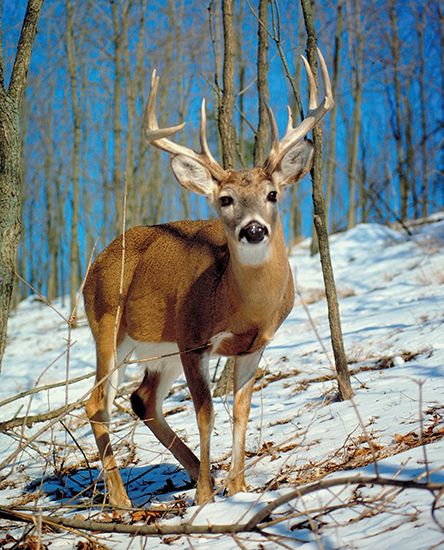
- Game Animals: Deer, elk, and mountain goats are frequently found, often migrating between high-altitude summer ranges and warmer lower elevations during the winter.12
- Furbearers: Prevalent species include the coyote, wildcat, badger, marten, muskrat, and beaver.12
- Predators: The region is part of a broader landscape where conservation efforts have included the reintroduction of predators such as the lynx, gray wolf, and grizzly bear.12
Sources
- Abajo Mountains — Encyclopædia Britannica
- Colorado Plateau — Encyclopædia Britannica
- Colorado Plateau — Merriam-Webster
- North America - 30 to 2.5 million years ago — Encyclopædia Britannica
- Colorado - Climate of Colorado — Encyclopædia Britannica
- Rocky Mountains - Climate — Encyclopædia Britannica
- mountain - Volcanism — Encyclopædia Britannica
- volcanism — Encyclopædia Britannica
- volcano - Determinants of size and shape — Encyclopædia Britannica
- What Causes a Volcano to Erupt? — Encyclopædia Britannica
- How are mountains formed? — Encyclopædia Britannica
- Colorado - Plant and animal life — Encyclopædia Britannica
- LaSal Mountains — Encyclopædia Britannica
Published on · 3 min read