Are Koalas Aggressive?
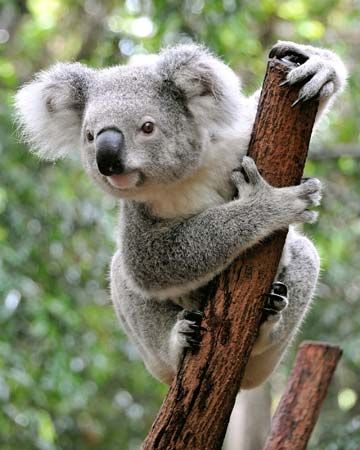
Koalas are not naturally aggressive; they are typically calm animals that prefer to avoid confrontation, often retreating to trees when they feel threatened.…
Are koalas aggressive?
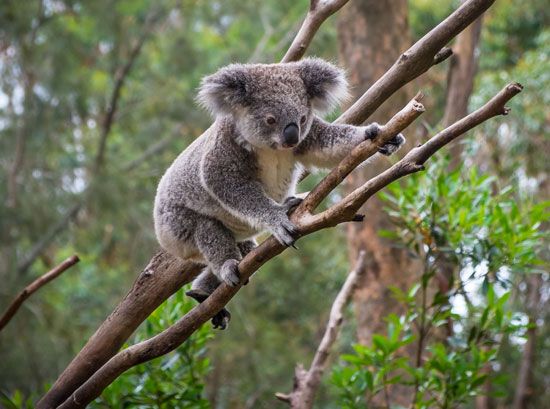
Koalas are not naturally aggressive; they are typically calm animals that prefer to avoid confrontation, often retreating to trees when they feel threatened. Their generally sedentary behavior is a result of their low-energy, nutrient-poor eucalyptus diet.1
However, koalas can become defensive if they are startled, injured, distressed, or approached during mating season. In such situations, they may issue warnings by hissing, snarling, or grunting, and they are capable of biting or scratching, which can cause significant injury. To ensure the safety of both humans and these vulnerable animals, it is best to respect their space and observe them from a distance.12
Why do koalas eat eucalyptus leaves?
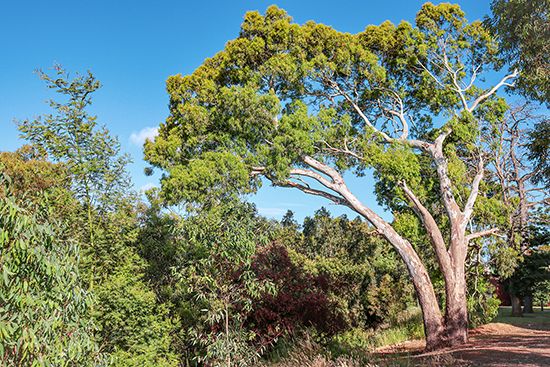
Koalas feed selectively on the leaves of specific eucalyptus trees. While this diet is relatively poor in nutrients and provides little spare energy, koalas have evolved a specialized digestive system to process it.32
To handle the high levels of tannins and other toxic, complex substances found in eucalyptus, the koala utilizes an intestinal pouch known as the cecum. This organ is approximately 2 metres (7 feet) long and houses symbiotic bacteria that degrade these toxins, allowing the animal to consume up to 1.3 kg (3 pounds) of leaves daily. Because this diet is so energy-intensive to process, koalas spend the majority of their time resting or sleeping to conserve energy.32
What are the main threats to koala habitats?
The survival of the koala is increasingly threatened by the loss and fragmentation of their natural environment. The primary threats to their habitats include:
- Habitat Loss and Fragmentation: Urban expansion and the conversion of land for farmland have created scattered, isolated populations. This fragmentation forces koalas to travel across inhospitable areas, increasing their risk of vehicle strikes and predation by dogs.34
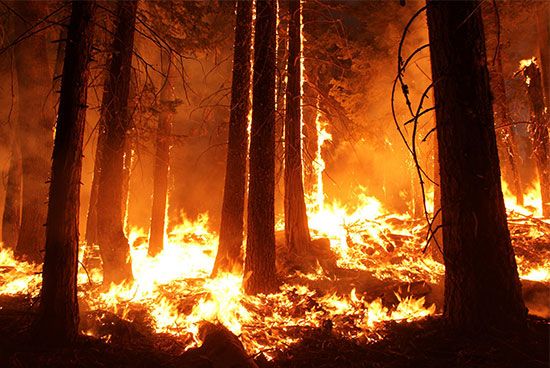
- Climate Change and Extreme Weather: Rising temperatures and the drying effects of climate change are significantly impacting koala populations. Devastating droughts and intense bushfires—such as the “Black Summer” of 2019–2020—have caused massive declines in their numbers by destroying essential food trees and directly killing or injuring thousands of individuals.3
- Disease: Many populations are infected with Chlamydia, a disease that can lead to female infertility, further hindering the ability of fragmented populations to recover.35
These cumulative pressures have led the International Union for Conservation of Nature to list the koala as a vulnerable species.3
How does chlamydia affect koala populations?
Infection with Chlamydia is a significant health challenge for koala populations across Australia. The primary impact of this bacterial infection on the species is that it causes female infertility, which severely hinders the ability of populations to reproduce and recover.63
Because many koala populations are already fragmented due to habitat loss and human encroachment, the spread of this disease exacerbates the risk of local extinction. While Chlamydia is a well-known genus of bacteria that also affects humans, the specific strain and clinical manifestations in koalas are a critical factor in the ongoing decline of the species, which is currently listed as vulnerable by the International Union for Conservation of Nature.632
Sources
- Are koalas aggressive? — Encyclopædia Britannica
- koala: Top Questions — Encyclopædia Britannica
- koala — Encyclopædia Britannica
- Australia - Conservation — Encyclopædia Britannica
- Deforestation - Effects — Encyclopædia Britannica
- Chlamydia — Encyclopædia Britannica
Published on · 2 min read