Black Gum
The black gum (Nyssa sylvatica), also known as a tupelo tree, is a species native to the eastern United States. It is widely prized for its brilliant scarlet…
What is black gum?
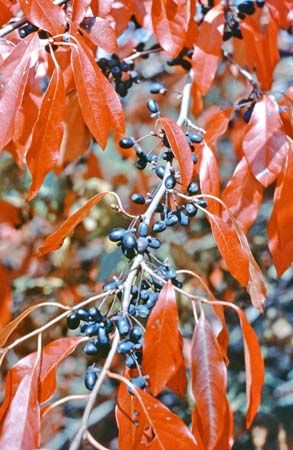
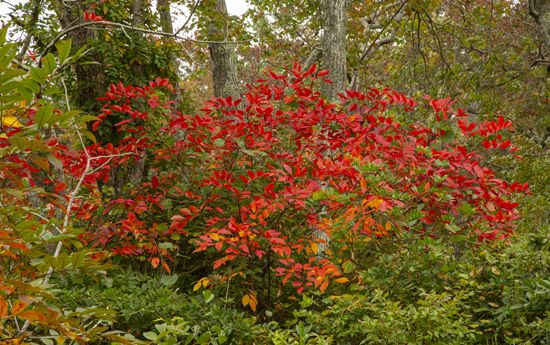
The black gum (Nyssa sylvatica), also known as a tupelo tree, is a species native to the eastern United States. It is widely prized for its brilliant scarlet autumn foliage and is occasionally cultivated as an ornamental plant.12
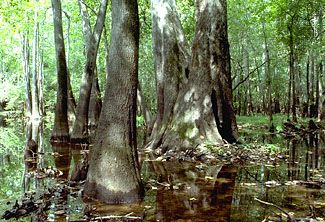
Physically, the tree typically reaches heights of 9 to 15 meters (30 to 50 feet) and features a straight trunk with bark that develops deep fissures as it matures. Its leaves are simple, glossy, and generally elliptic in shape. The tree is largely dioecious, producing small greenish-white flowers that serve as an important nectar source for bees. Its small, dark drupes are a valuable food source for birds and other wildlife. While the wood is light and soft, it is notably tough.1
It is important to distinguish the black gum from various Australian eucalyptus species, which are also commonly referred to as “gum trees” but belong to an entirely different family, Myrtaceae.3
How does the black gum tree support local wildlife?
The black gum (Nyssa sylvatica) plays a vital role in supporting local wildlife through its flowers and fruit:
- Nectar Source: The tree produces small, greenish-white flowers that serve as an essential nectar source for bees.1
- Food for Wildlife: The tree produces small, dark drupes that are highly attractive to birds and various other animals, providing a reliable food supply.1
Because the species is largely dioecious—meaning individual trees typically bear either male or female flowers—a healthy population of both is necessary to ensure consistent fruit production for local fauna.1
What is the difference between a black gum tree and a eucalyptus gum tree?
The black gum and the eucalyptus are distinct trees that share the common name “gum” but belong to entirely different botanical families and regions.
Feature
Black Gum (
Nyssa sylvatica
)
Eucalyptus (Genus
Eucalyptus
)
Family
Nyssaceae
Myrtaceae
Native Region
Eastern
United States
and nearby islands
Foliage
Deciduous; known for brilliant scarlet autumn color
Mostly
; leathery leaves
Bark
Deeply fissured with age
Often sheds in flakes or ribbons; some species have thick, textured bark
Key Uses
Ornamental plant
Timber, fuel, and medicinal
eucalyptus oil
While the black gum is a North American species prized for its seasonal color, the eucalyptus is a diverse genus of over 660 species native to Australia. Eucalyptus trees are economically significant for their timber and the production of aromatic oils used in medicine, whereas the black gum is primarily valued for its role in the landscape and as a nectar source for bees.12
Why is the black gum tree considered a good choice for landscaping?
The black gum (Nyssa sylvatica) is a popular choice for landscaping due to its aesthetic appeal and ecological benefits. Its primary ornamental value lies in its brilliant scarlet autumn foliage, which provides striking seasonal color.1
Beyond its appearance, the tree is valued for its structural characteristics, including a straight trunk and unique bark that develops deep, attractive fissures as the tree matures. It is also a functional addition to a landscape, as its small, greenish-white flowers serve as an important nectar source for bees, and its dark drupes provide a reliable food source for birds and other local wildlife.1
Because the species is largely dioecious, gardeners should be aware that individual trees typically bear either male or female flowers, which is a factor to consider when planning for fruit production.1
Sources
- black gum — Encyclopædia Britannica
- eucalyptus — Encyclopædia Britannica
- black gum — Merriam-Webster
Published on · 3 min read