Tupelo
The tupelo tree, belonging to the genus Nyssa within the sour gum family, is characterized by several distinct botanical and ecological features:
What are the distinguishing characteristics of the tupelo tree genus?
The tupelo tree, belonging to the genus Nyssa within the sour gum family, is characterized by several distinct botanical and ecological features:
- Growth Habit: These deciduous trees are highly tolerant of moist or swampy environments and typically feature horizontal or hanging branches.1
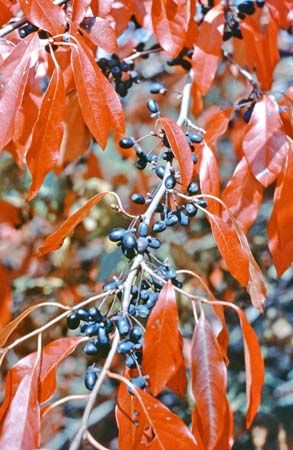
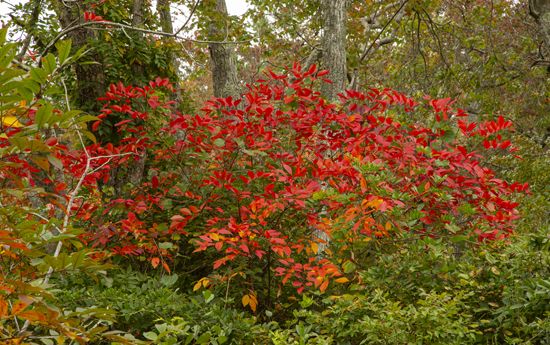
- Foliage: They possess broad, simple alternate leaves that often display vibrant colors during the autumn season.12
- Reproduction: The genus is dioecious, meaning male and female flowers are produced on separate individual plants. These flowers are generally small and greenish-white.12
- Fruit: The trees produce small, rounded drupes that are typically bluish-black or purple in color.12
- Wood: The wood is known for being pale yellow to light brown, fine-textured, and strong, making it useful for various commercial applications such as crates, flooring, and veneers.12
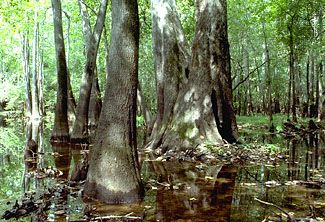
While many species are found in North America, others are native to eastern Asia and western Malaysia. Some varieties, such as the water tupelo, are noted for having trunks that are conspicuously enlarged at the base.13
Where are tupelo trees typically found, and what are their preferred habitats?
Tupelo trees (genus Nyssa) are primarily distributed across North America, eastern Asia, and western Malaysia. Within North America, five species are native to the continent, thriving in diverse environments ranging from woodlands to specialized wetland ecosystems.1
Preferred Habitats
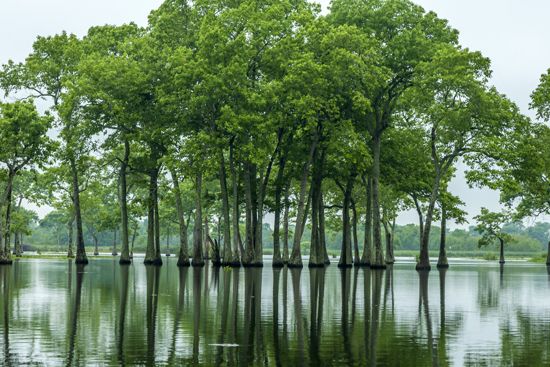
Tupelo trees are highly tolerant of flooding and moist soil conditions, which define their preferred habitats. Their distribution is closely tied to these environments:1
- Deepwater Swamps: These trees are a hallmark of deepwater swamps, particularly along the Atlantic Coast Plain, the Gulf Coast, and the Mississippi River valley as far north as southern Illinois1. In these areas, they are often found in association with cypress trees, frequently remaining inundated for nearly the entire year.51
- Moist Woodlands: The black tupelo (Nyssa sylvatica) is the most widely distributed species, found in woods and moist areas stretching from Maine to the Gulf Coast and westward to Oklahoma.1
- Coastal Swamps: Specific varieties, such as the swamp black tupelo, are adapted to swampy regions along the East Coast and the Deep South.1
How do tupelo trees adapt to their environment, particularly in wetland areas?
Tupelo trees (Nyssa) have evolved several specialized adaptations to survive in the waterlogged, low-oxygen environments of wetlands:
- Pneumatophores: Certain species, such as the water tupelo (Nyssa aquatica), develop pneumatophores. These specialized lateral roots grow upward from the primary root system, protruding above the water or mud to facilitate oxygen intake and gas exchange for the submerged roots.16
- Trunk Morphology: The water tupelo is noted for having a trunk that is conspicuously enlarged at the base. This structural adaptation provides stability in the soft, saturated soils characteristic of swampy habitats.76
- Root System Structure: Like many trees adapted to swamps, tupelos generally lack deep-growing roots. Instead, they maintain a shallow, wide-spreading root system that provides support against lateral stresses from water flow and wind, while avoiding the oxygen-poor conditions found deeper in the soil.8
- Metabolic Adaptations: As hydrophytic trees, tupelos are often adapted to anaerobic metabolism, allowing them to endure the toxic by-products—such as ethanol and lactic acid—that can accumulate during periods of inundation.6
How long do tupelo trees typically live, and how fast do they grow?
The provided search results do not contain specific information regarding the typical lifespan or the growth rate of tupelo trees. While the text details their physical characteristics, height ranges, and habitat preferences, it does not offer data on their longevity or the speed at which they mature.1
Sources
- tupelo — Encyclopædia Britannica
- Nyssa — Merriam-Webster
- tupelo gum — Merriam-Webster
- tupelo — Merriam-Webster
- Wetland - Freshwater forested swamps — Encyclopædia Britannica
- Swamp — Encyclopædia Britannica
- Pneumatophore — Encyclopædia Britannica
- Tree - Tree roots — Encyclopædia Britannica
Published on · 3 min read