Bonny River
The Bonny River is an eastern distributary of the Niger River delta located in Rivers state, southern Nigeria.
What is Bonny River?
The Bonny River is an eastern distributary of the Niger River delta located in Rivers state, southern Nigeria.12
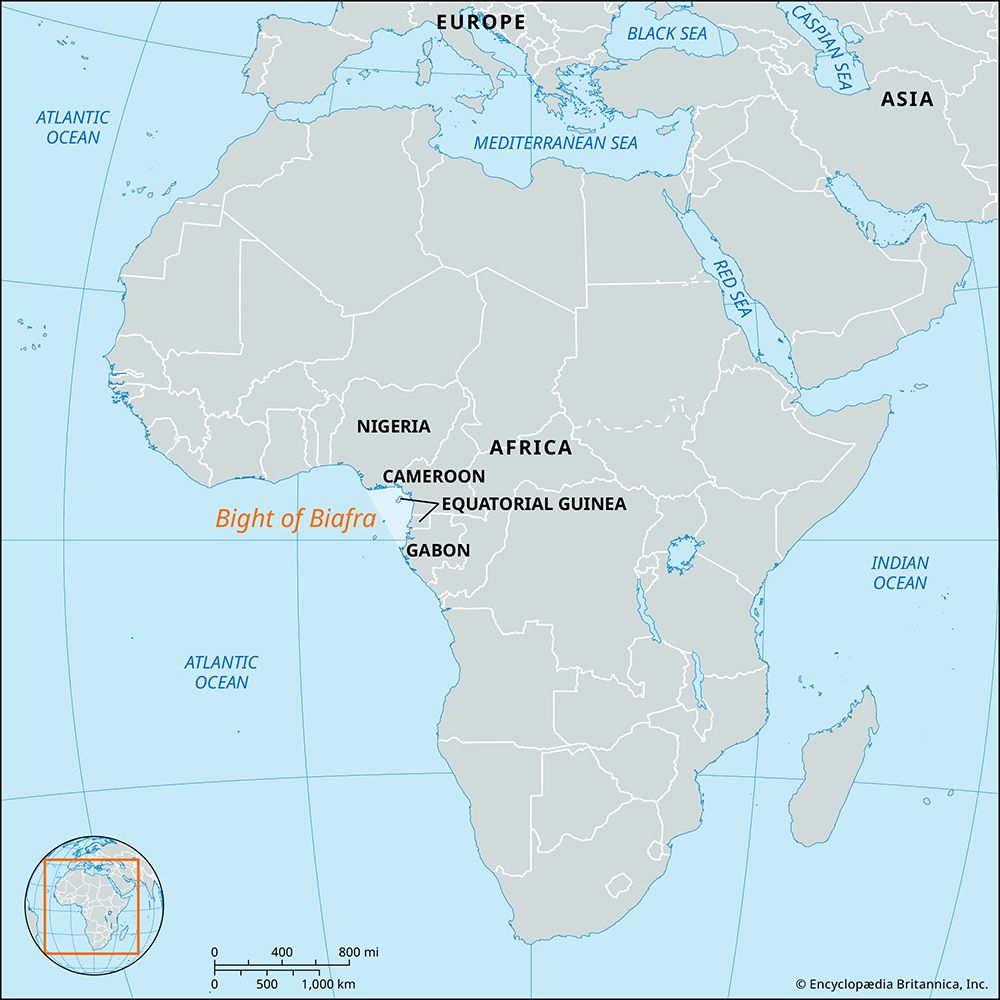
Situated 6 miles (10 km) upstream from the Bight of Biafra lies the town of Bonny, which serves as a river pilot station and a major oil terminal. Historically, the river was central to a powerful kingdom that functioned as a significant hub for the slave trade between the 16th and 19th centuries. Following the British-enforced end of the slave trade, the region transitioned to exporting palm oil and other goods.12
While the river’s prominence as a shipping port was eclipsed by Port Harcourt in the early 20th century, it regained economic importance in the late 1950s as a central depot for the shipment of oil from the Niger Delta.12
How does the Niger River delta ecosystem function?
The Niger delta functions as a complex, low-lying wetland ecosystem where the Niger River branches into an intricate network of channels before reaching the Gulf of Guinea.34
Ecosystem Structure
The delta is characterized by distinct environmental zones that transition from inland to the coast:
- Freshwater Swamps: Located further inland, these areas feature oxbow lakes and river meander belts.4
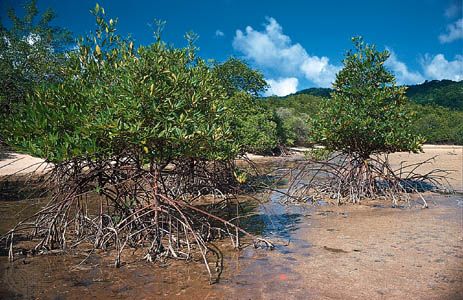
- Mangrove Thickets: Near the seacoast, the environment shifts to brackish mangrove swamps. These forests act as vital keystone species, protecting shorelines from storm surges, flooding, and erosion. Their root systems trap sediments and pollutants, which improves water quality for surrounding marine life.45
- Nursery Habitats: The delta serves as an essential nursery for fish, crabs, and shrimp, supporting regional biodiversity.5
Environmental Challenges
The ecosystem is currently under significant stress. The exploitation of petroleum and natural gas reserves since the mid-20th century has caused severe environmental degradation. Oil pollution has led to widespread fish mortality, which has undermined the traditional economy and livelihoods of the Ijo people who depend on the river for fishing.46
What was the historical impact of the slave trade on West African kingdoms?
The Atlantic slave trade profoundly reshaped the political and economic landscapes of West African kingdoms. Rather than simply depopulating the region, the trade integrated into existing power structures where human labor was the primary measure of wealth and influence.11
Political and Economic Impact
- Power Politics: In West Africa, land held little economic value compared to human energy. Kingdoms built their strength by capturing people from neighboring rivals to serve as laborers, soldiers, or clients. The introduction of the Atlantic trade provided a new incentive: rulers could exchange these captives for European goods, such as guns, textiles, and metals.1112
- State Formation: The demand for slaves fueled the rise of centralized, militant states like Dahomey, Asante, and Oyo. These states often established strict royal control over trade routes and ports to monopolize the acquisition of firearms, which were essential for maintaining military dominance.12
- Social Consequences: While the trade did not necessarily cause mass depopulation, it disproportionately targeted individuals in the prime of life (ages 15–35), which likely checked population growth. The trade also exacerbated internal conflicts, as wars were often fought to secure captives for export.11
The moral reality of this era was that human beings were commodified to sustain the growth of both African monarchies and American plantation economies, a process that fundamentally altered the trajectory of West African development.1112
How has the oil industry changed the environment of the Niger Delta?
The exploitation of petroleum and natural gas in the Niger delta since the mid-20th century has caused severe environmental degradation in the region.15
Ecological and Economic Impact
- Disruption of Aquatic Life: Oil pollution has devastated local fish populations, which has fundamentally undermined the traditional economy and livelihoods of the Ijo people who rely on fishing for their survival.10
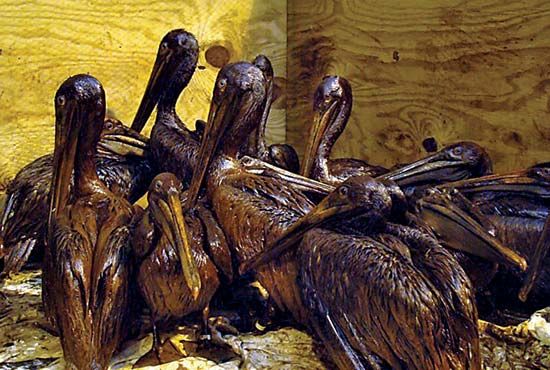
- Habitat Damage: Oil spills frequently foul sensitive shore ecosystems, particularly mangrove thickets and saltwater marshes. Crude oil is toxic to wildlife, as it coats feathers and fur, leading to hypothermia in marine mammals and birds, and prevents sunlight from penetrating the water surface, which reduces dissolved oxygen levels.815
- Long-term Consequences: Beyond immediate mortality, ingested toxins can damage the reproductive rates of animal populations, slowing long-term recovery. The contamination of these waters also necessitates the suspension of commercial fishing to prevent the sale of tainted seafood.8
The environmental toll of the oil industry in the delta represents a significant loss of biodiversity and a disruption to the ecological balance that sustains the region’s inhabitants.81015
Sources
- Bonny River — Encyclopædia Britannica
- Bonny — Encyclopædia Britannica
- Niger River - Physiography — Encyclopædia Britannica
- Niger River - Plant and animal life — Encyclopædia Britannica
- Niger River - Hydrology of Niger River — Encyclopædia Britannica
- Nigeria - Plant and animal life — Encyclopædia Britannica
- Wetland - Mangroves — Encyclopædia Britannica
- Nigeria - Drainage — Encyclopædia Britannica
- mangrove: Top Questions — Encyclopædia Britannica
- Niger River - People and economy — Encyclopædia Britannica
- Western Africa - The slave-trade era — Encyclopædia Britannica
- Western Africa - The southward expansion of Oyo — Encyclopædia Britannica
- Western Africa - Anglo-French competition — Encyclopædia Britannica
- slavery - Slave demography — Encyclopædia Britannica
- oil spill - Oil-spill damage — Encyclopædia Britannica
Published on · 3 min read