Christmas Plants and Animals: 12 Festive Species
The concept of "Christmas plants and animals" refers to the more than 30 species that incorporate "Christmas" into their common names. These organisms are…
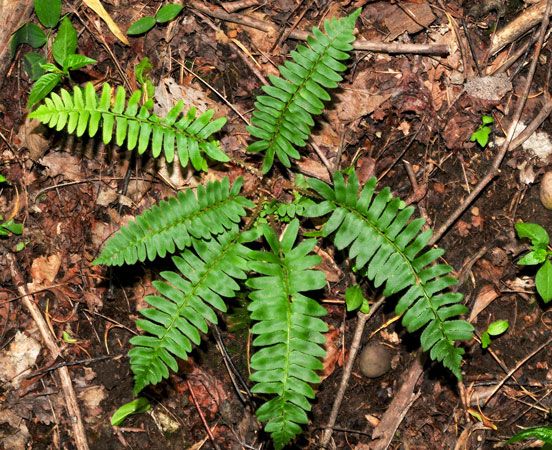
What is Christmas plants and animals: 12 festive species?
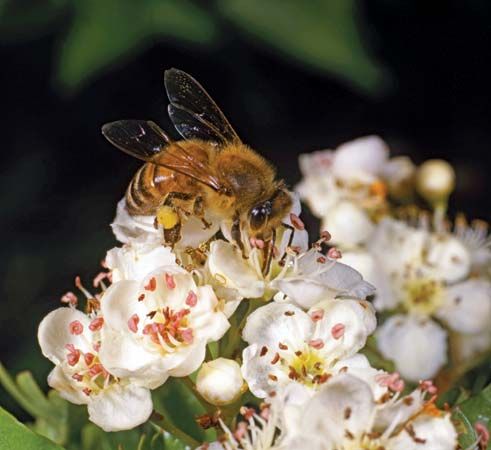
The concept of “Christmas plants and animals” refers to the more than 30 species that incorporate “Christmas” into their common names. These organisms are significant not only for their festive associations but also for the vital ecological roles they play in supporting human well-being through various ecosystem services.1
While the specific list of 12 species is a thematic grouping, many plants commonly associated with the holiday season are celebrated for their decorative foliage and winter-blooming characteristics. These include:
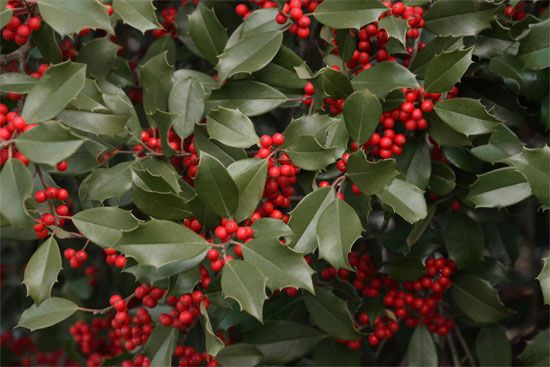
- Holly: Known for its waxy evergreen leaves and red berries.23
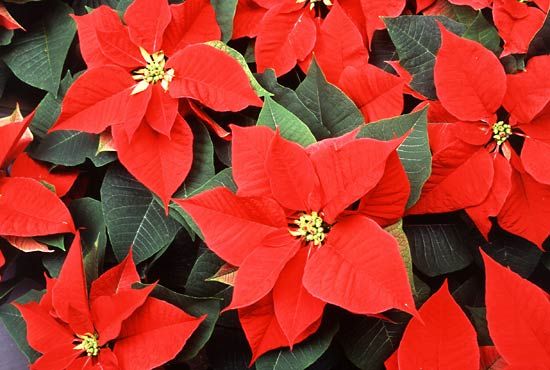
- Poinsettia: A vibrant plant native to Mexico, famous for its showy, petal-like bracts.2
- Christmas cactus: A Brazilian native that produces red or pink flowers in late December.2
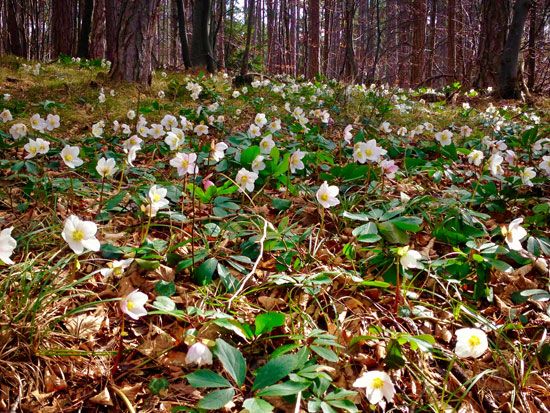
- Christmas rose: A plant that can bloom in December, sometimes even through the snow.2
- Mistletoe: A parasitic plant traditionally linked to holiday romance.2
These species, alongside various conifers used as Christmas trees, highlight the deep connection between nature and holiday traditions.2
What is the history behind the tradition of decorating Christmas trees?
The tradition of the Christmas tree has roots in ancient customs and medieval religious practices. Long before the modern holiday, ancient cultures—including the Egyptians, Chinese, and Hebrews—used evergreens to symbolize eternal life. Pagan Europeans also practiced tree worship, and the custom of bringing evergreens indoors during midwinter survived as a way to ward off evil or celebrate the season.6
The modern Christmas tree originated in western Germany. During the Middle Ages, “paradise trees”—fir trees hung with apples to represent the Garden of Eden—were displayed in homes on December 24, the feast day of Adam and Eve. Over time, these were decorated with wafers (later cookies) and candles, eventually merging with the “Christmas pyramid” to form the tree we recognize today.67
The tradition spread globally through migration and royal influence. Prince Albert and Queen Victoria popularized the custom in Britain during the mid-19th century, while German settlers brought the practice to North America as early as the 17th century.67
How do different cultures celebrate the 12 days of Christmas?
The Twelve Days of Christmas represent the period between Christmas (December 25) and Epiphany (January 6), a season established by the church to commemorate the Incarnation of Christ. While traditions vary globally, they often center on themes of generosity and religious observance.9
Western Traditions
In many Western cultures, the period concludes on Twelfth Night (January 5). Common customs include:
- Gift-giving: In honor of the Magi, children may leave shoes or stockings out to be filled with small gifts.910
- Culinary Celebrations: Families often share king cake, a tradition with roots in the Roman festival of Saturnalia, where a hidden object designates a “king for the day.”911
- Decorations: Many households and churches maintain their crèches and Christmas trees until after Epiphany.9
Eastern Traditions
Some Eastern Orthodox churches celebrate Theophany on January 19, as their Christmas falls on January 6. In Ethiopia, the festival of Timket involves elaborate processions where a tabot (a replica of the Ark of the Covenant) is carried to a body of water to commemorate the baptism of Jesus.9
What is the Christmas Bird Count and why is it important?
The Christmas Bird Count is an annual community science program organized by the National Audubon Society that enlists volunteers to survey bird populations across the Western Hemisphere. Established in 1900 by ornithologist Frank Chapman, the initiative was created as a conservation-minded alternative to 19th-century “side hunts,” where participants competed to kill the most birds on Christmas Day.16
The program is vital for several reasons:
- Long-term Data: As one of the world’s longest-running censuses, it provides over a century of data on migratory patterns, range variations, and community ecology.16
- Conservation Impact: Scientists use this information to assess the health of bird populations and determine the effects of climate change on habitats and species distribution.16
- Actionable Strategies: The data informs statistical models that help experts develop and propose effective conservation strategies to protect avifauna.16
Sources
- Merry and Bright: 8 Jolly Christmas Plants — Encyclopædia Britannica
- Christmas plants and animals: 12 festive species — Encyclopædia Britannica
- The Story of Christmas — Encyclopædia Britannica
- holly — Merriam-Webster
- Alternative Christmas Visitors — Encyclopædia Britannica
- Christmas tree — Encyclopædia Britannica
- How Did the Tradition of Christmas Trees Start? — Encyclopædia Britannica
- Did you know? — Merriam-Webster
- Epiphany — Encyclopædia Britannica
- Christmas — Encyclopædia Britannica
- Christmas - Contemporary customs in other areas — Encyclopædia Britannica
- Church year - Christmas — Encyclopædia Britannica
- Christmas: Top Questions — Encyclopædia Britannica
- Christmas - Exchange of gifts — Encyclopædia Britannica
- king cake - History — Encyclopædia Britannica
- What Is the Christmas Bird Count? — Encyclopædia Britannica
Published on · 3 min read