Cumberland Island National Seashore
Cumberland Island and the surrounding Sea Islands were inhabited by Native American tribes, including the Creek and the Guale people, at the time of initial…
What Native American tribes originally inhabited Cumberland Island?
Cumberland Island and the surrounding Sea Islands were inhabited by Native American tribes, including the Creek and the Guale people, at the time of initial European contact in the 16th century. The Timucua people, who were indigenous to parts of northeastern Florida and the surrounding coastal regions, also inhabited these islands.123
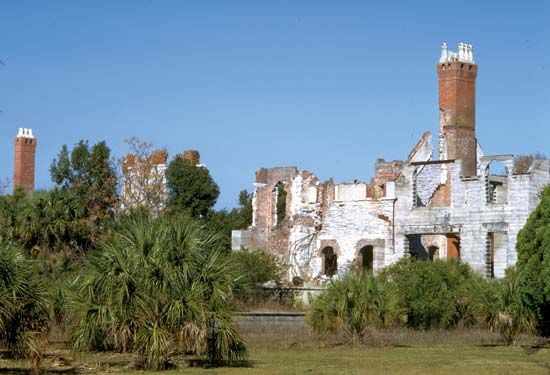
What types of wildlife can be found on Cumberland Island, and how are they protected?
Cumberland Island is home to a diverse array of wildlife that thrives across its unique ecological zones, which include beaches, dunes, maritime forests, and saltwater marshes.3
Wildlife Species
The island supports a variety of animals, including:
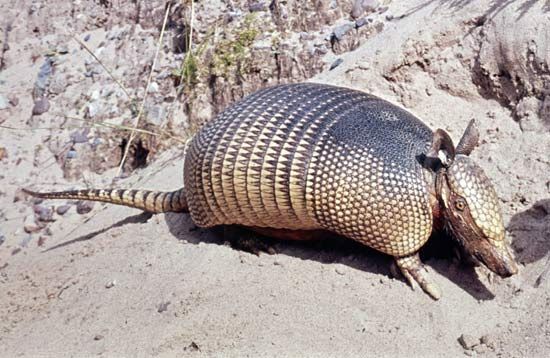
- Mammals: Wild horses, deer, raccoons, and armadillos.3
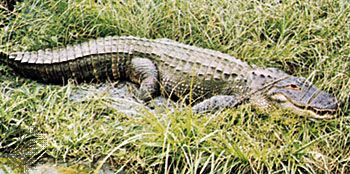
- Reptiles: The island serves as a nesting site for sea turtles and is inhabited by alligators.3
- Birds and Marine Life: The area is well-known for its wide variety of shorebirds and various types of shellfish.3
Protection
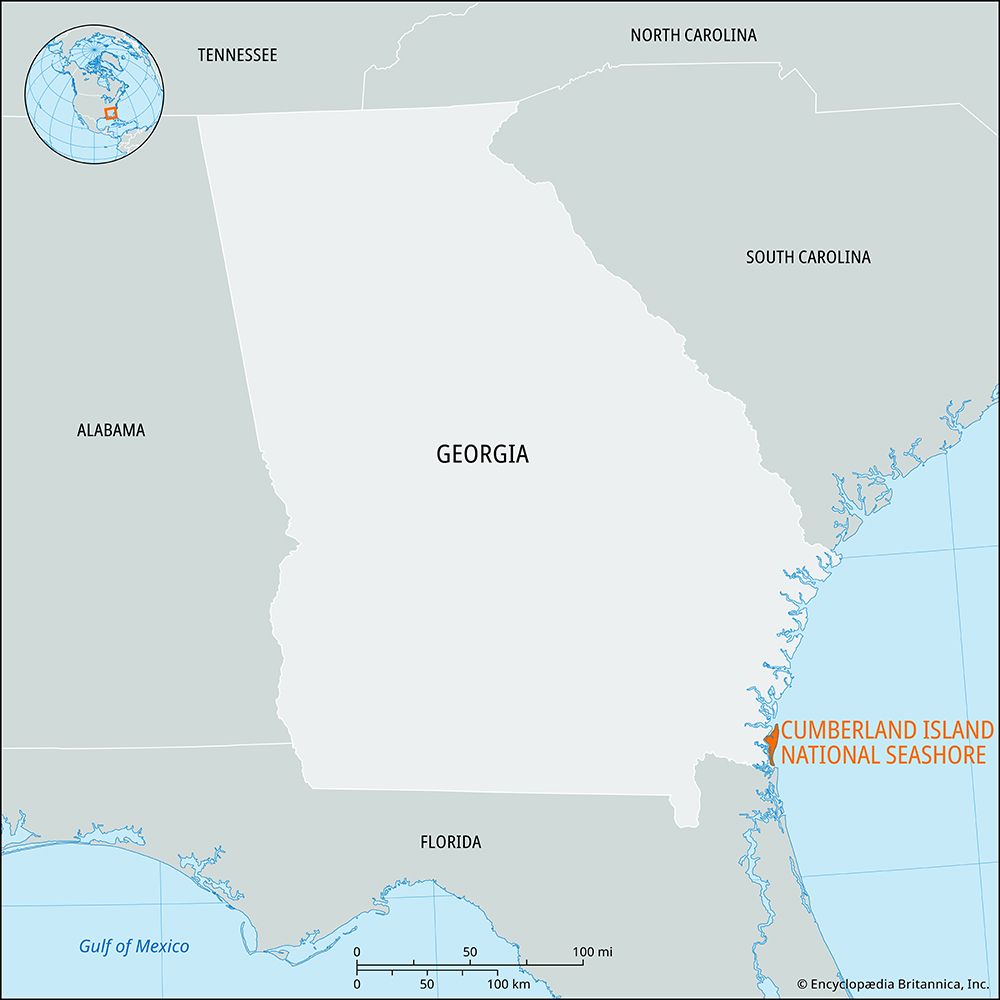
Cumberland Island is managed as a Cumberland Island National Seashore, a designation established in 1972 to preserve the island’s natural environment and ecological integrity. While the provided information highlights the island’s status as a protected national seashore, it does not detail specific management protocols for individual species.3
What is a barrier island, and how was Cumberland Island formed?
A barrier island is a long, broad, sandy island that lies parallel to the shore. These islands are typically separated from the mainland by lagoons and serve to protect the coast from the direct effects of the ocean.56
Formation of Barrier Islands
Barrier islands are primarily formed on low-lying coasts where the coastal slope is flatter than the equilibrium slope required by constructive ocean swells. They are built up through the action of waves, currents, and winds, which transport and deposit sand and other sediments.756
These islands occur in areas of stability, subsidence, or emergence, provided there is an adequate supply of sediment. Over time, they develop complex environments, including beaches, coastal dunes, and landward features like saltwater marshes and tidal flats. Cumberland Island, as part of the Sea Islands chain, was formed through these same geological processes of depositional coastal morphology.7632
What are the unique ecological features of Cumberland Island National Seashore?
Cumberland Island National Seashore is defined by its diverse ecological zones, which transition across its 57-square-mile landscape. These features include:
- Coastal Zones: The island features expansive beaches and dunes along the Atlantic Ocean, which provide critical nesting grounds for sea turtles.3
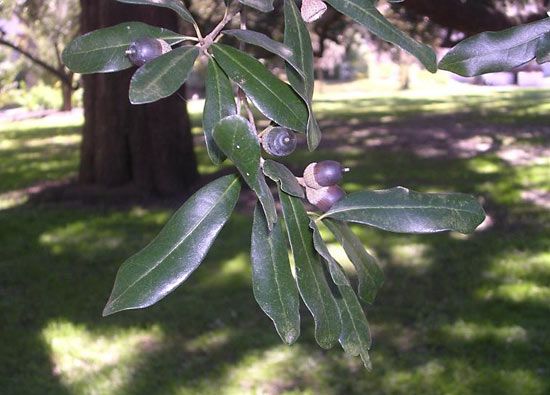
- Maritime Forests: Moving inland, the landscape is characterized by maritime forests dominated by live oaks.3
- Wetlands: Along the western side of the island, bordering the Intracoastal Waterway, are extensive saltwater marshes and mud flats.3
These varied habitats support a wide range of wildlife, including shorebirds, deer, raccoons, armadillos, alligators, shellfish, and the island’s famous population of wild horses.3
Sources
- Timucua — Merriam-Webster
- Sea Islands — Encyclopædia Britannica
- Cumberland Island National Seashore — Encyclopædia Britannica
- Jekyll Island: Top Questions — Encyclopædia Britannica
- barrier island — Merriam-Webster
- lagoon - Barrier bars and sediment sources — Encyclopædia Britannica
- coastal landforms - Barrier island/estuarine systems — Encyclopædia Britannica
Published on · 2 min read