Environmental Defense Fund
The Environmental Defense Fund is an American environmental organization established in 1967. The group is dedicated to addressing critical issues such as…
What is Environmental Defense Fund?
The Environmental Defense Fund is an American environmental organization established in 1967. The group is dedicated to addressing critical issues such as climate change, pollution, and the protection of endangered wildlife.1
The organization is notable for its multidisciplinary approach, employing a staff of scientists, economists, and lawyers to develop practical solutions to environmental challenges. They collaborate with governments, corporations, and local communities to drive change. Historically, the group gained prominence through its successful legal efforts to secure a U.S. ban on the synthetic insecticide DDT. Today, the fund continues to influence policy by lobbying for environmental protection laws and litigating to ensure those laws are upheld.1
How did the ban on DDT impact wildlife conservation?
The ban on DDT was a landmark achievement for wildlife conservation, as the pesticide had caused severe population declines across numerous species by interfering with their reproductive health.123
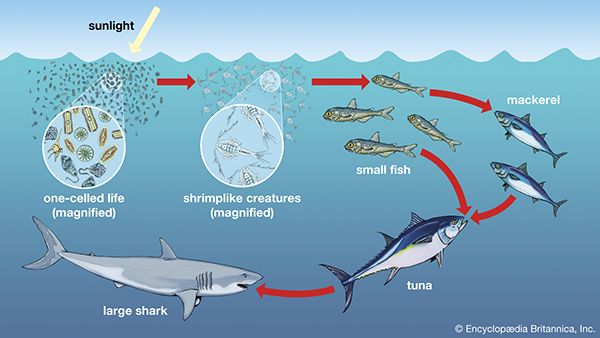
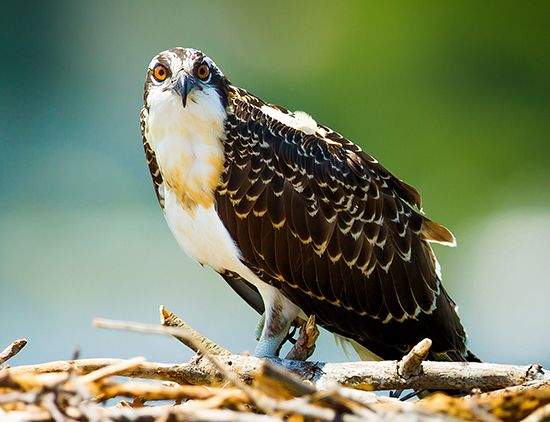
The primary mechanism of harm was bioaccumulation, where the chemical concentrated in the tissues of predators as it moved up the food chain. For birds of prey and songbirds, this exposure led to the thinning of eggshells, which resulted in reduced egg viability and fewer hatchlings. Species such as the bald eagle, golden eagle, brown pelican, and peregrine falcon were particularly devastated.1324
Following the bans enacted in the 1970s, conservation efforts—including captive breeding and reintroduction programs—were able to succeed because the environment was no longer being saturated with the toxin. Consequently, populations of affected species have rebounded significantly, with many, such as the peregrine falcon, recovering to levels that exceed historical counts in some regions.514
What role do economists play in environmental protection?
Economists play a vital role in environmental protection by applying the tools of microeconomics and macroeconomics to allocate natural resources efficiently. By studying human choices, they identify why individuals or firms may degrade the environment and help policymakers design cost-effective solutions to achieve desired levels of environmental quality.78
Key contributions include:
- Valuation of Ecosystems: Economists develop techniques to assign value to environmental goods—such as clean air, water, and biodiversity—that are often taken for granted. This includes calculating the public’s willingness to pay for conservation, which helps justify investments in protecting natural assets like watersheds over expensive infrastructure alternatives.7910
- Market-Based Incentives: Rather than relying solely on traditional regulation, economists promote instruments like pollution taxes and “tradable allowance schemes.” These allow companies to buy and sell pollution credits, providing financial rewards for cleaner operations.81
- Policy Analysis: Economists evaluate the impact of government subsidies. By analyzing whether subsidies for industries like fishing or agriculture are fiscally responsible, they can identify strategies that reduce environmental harm while promoting economic efficiency.9
How does climate change affect endangered species?
Climate change acts as a significant existential threat to endangered species, often exacerbating other human-driven pressures like habitat loss and pollution.habitat-loss) and pollution. As global temperatures rise, species are forced to shift their geographic ranges toward cooler areas, such as higher latitudes or mountain elevations, to remain within their suitable “climate envelopes.”131214
The impacts on biodiversity are profound and multifaceted:
- Range Contraction: Species with limited geographic ranges, particularly those on mountaintops, face the risk of their suitable habitat shrinking to nothing, leaving them with nowhere to migrate.13
- Phenological Mismatches: Many species are altering the timing of critical life events, such as breeding, migration, and flowering. This can cause ecological disruptions, such as migratory birds arriving too late to feed on the larvae they rely on to raise their young.1315
- Habitat Destruction: Rising sea levels have already caused the extinction of species like the Bramble Cay melomys, which lost its island habitat. Additionally, warming oceans contribute to coral bleaching, threatening the vast biodiversity supported by coral reefs.1615
- Disease Spread: Warmer temperatures can expand the ranges of disease-carrying insects and rodents, increasing the prevalence of infectious diseases that further stress vulnerable populations.15
Ecologists warn that these climatic stresses, when combined with other human activities, significantly accelerate the pace of biodiversity loss, potentially leading to a cascading “domino effect” of extinctions.161215
Sources
- Environmental Defense Fund — Encyclopædia Britannica
- DDT — Encyclopædia Britannica
- endocrine disruptor - Early discoveries of endocrine disruptors — Encyclopædia Britannica
- DDT: Top Questions — Encyclopædia Britannica
- Falconiform - Importance to humans — Encyclopædia Britannica
- Peregrine falcon — Encyclopædia Britannica
- environmental economics — Encyclopædia Britannica
- environmental economics - Policy implications — Encyclopædia Britannica
- Environmental law - Economic incentives — Encyclopædia Britannica
- conservation - Putting a price on conservation — Encyclopædia Britannica
- environmental economics - Valuing the environment — Encyclopædia Britannica
- conservation - Global warming — Encyclopædia Britannica
- critically endangered species — Encyclopædia Britannica
- biodiversity loss - Human-driven biodiversity loss — Encyclopædia Britannica
- extinction — Encyclopædia Britannica
- Global warming - Environmental consequences of global warming — Encyclopædia Britannica
Published on · 3 min read