Franklin Mountains
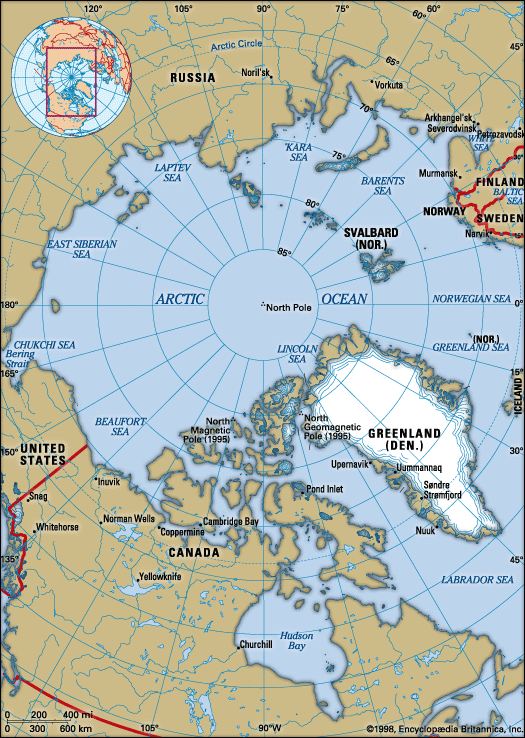
The Franklin Mountains are a mountain range located in the west-central Mackenzie district of the Northwest Territories, Canada.
What is Franklin Mountains?
The Franklin Mountains are a mountain range located in the west-central Mackenzie district of the Northwest Territories, Canada.1
Spanning approximately 300 miles (483 km), the range runs in a northwest-southeast direction along the eastern bank of the Mackenzie River. The highest peak in the range is Mount Clark, which reaches an elevation of 4,733 feet (1,443 metres).1
What is the significance of the Mackenzie River?
The Mackenzie River is a vital geographical and economic feature of northwestern North America. As the largest river system in Canada, it drains approximately 697,000 square miles, a basin exceeded on the continent only by the Mississippi-Missouri system.2
Its significance is defined by several key factors:
- Economic Resources: The basin is a major source of petroleum and natural gas, with significant fields located near the delta and in the southern regions. It also contains vast uranium deposits and has historically supported commercial fishing and the fur trade.3
- Transportation: The river serves as a critical transport artery. Despite the harsh climate, its navigable waters allow for the movement of goods via barges, supporting northern settlements and industries.45
- Ecological Value: It remains one of the world’s few great unspoiled areas, providing diverse wildlife habitats and spectacular scenery across its journey to the Arctic Ocean.2
- Historical Exploration: The river was a central route for 18th-century fur traders and was famously mapped by Alexander Mackenzie in 1789.5
What kind of wildlife lives in the Northwest Territories?
The wildlife of the Northwest Territories varies significantly between the forested Mackenzie Lowlands and the barren Arctic tundra.
Mackenzie Lowlands (Boreal Forest)
In the west-central region, the landscape supports a variety of forest-dwelling species. Native animals include:
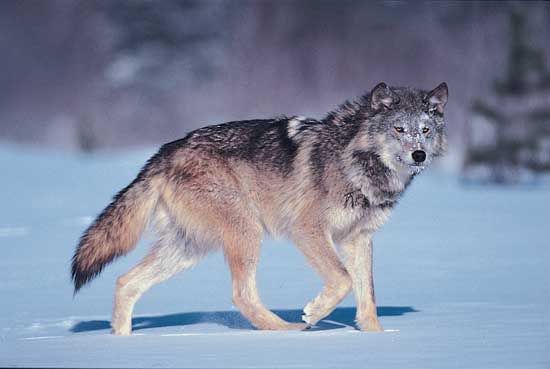
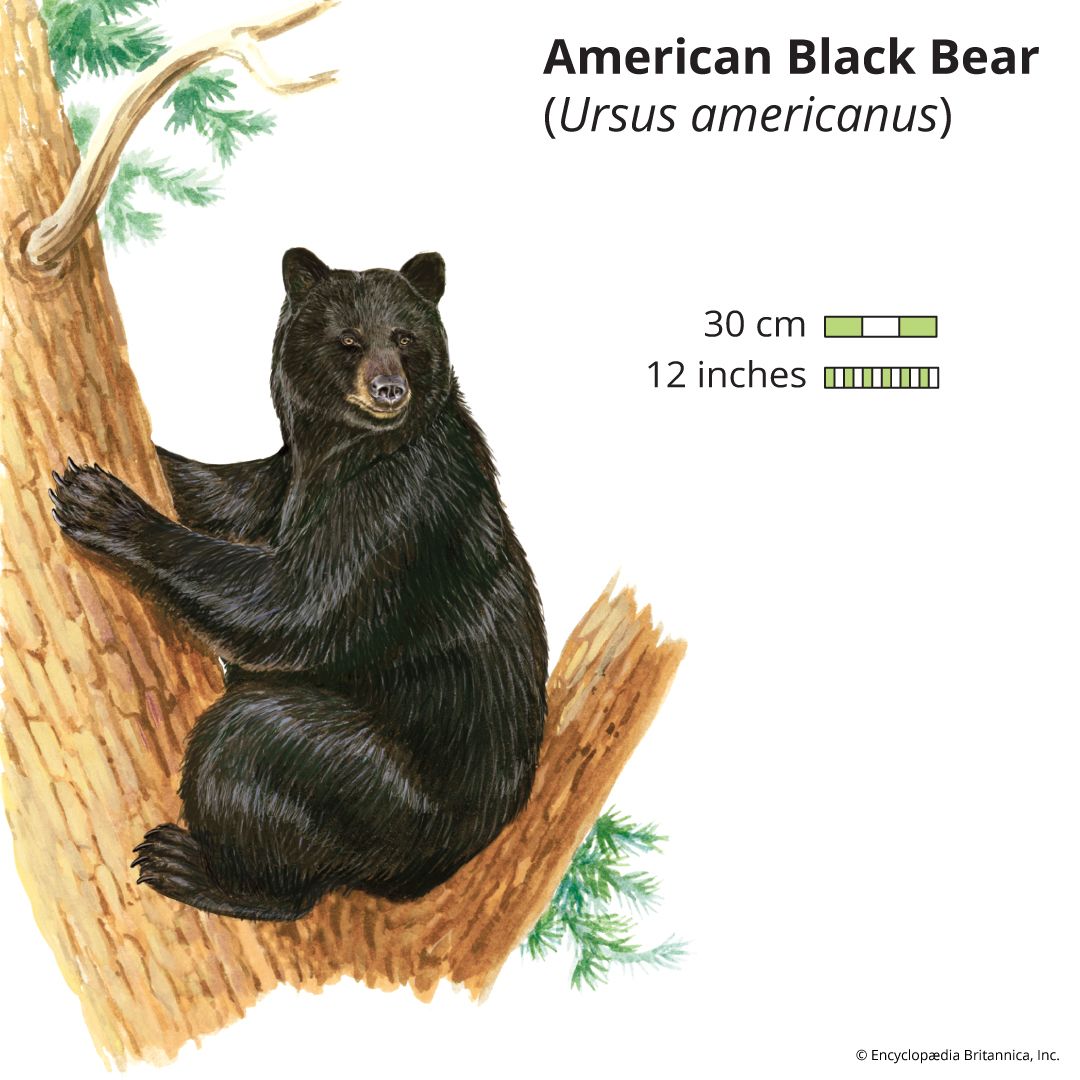
- Large Mammals: Moose, wolves, black bears, and grizzly bears.
- Mountain Species: Mountain sheep and goats.
- Fur-bearing Animals: Muskrats and beavers.
Arctic Tundra (Barren Lands)
North and east of the timberline, the environment is home to species adapted to harsh, rocky conditions:
- Large Mammals: Caribou and musk oxen.
- Predators: Arctic foxes and, along the coasts, polar bears.
- Marine Life: Seals and walrus are prevalent in coastal areas.
Birds and Insects
During the short summer, the region sees an influx of migratory birds. While many species leave, ptarmigans and ravens are known to remain throughout the winter. Additionally, mosquitoes and other biting insects are abundant during the summer months.
How do mountain ranges like the Franklin Mountains form?
Mountain ranges like the Franklin Mountains are formed through complex tectonic processes that build the Earth’s major structures. These processes involve the uplift or subsidence of the Earth’s crust, often driven by horizontal forces that cause crustal shortening and thickening.10
Specifically, many mountain ranges are created through:
- Overthrusting: This occurs when one block or terrain of the Earth’s crust is pushed over an adjacent one, effectively uplifting the surface.10
- Folding: The compression of rock layers at the surface creates the characteristic ridges and valleys found in many mountain chains.10
- Faulting: High-angle faulting and the upfaulting of crystalline cores can also elevate mountain ranges, a process often associated with broader orogenic (mountain-building) events.11
While tectonic forces provide the initial uplift, erosional processes subsequently sculpt the relief of these ranges into their unique profiles. Over time, these landforms can persist for hundreds of millions of years, even after the original tectonic activity has ceased.10
Sources
- Franklin Mountains — Encyclopædia Britannica
- Mackenzie River — Encyclopædia Britannica
- Mackenzie River - The upper course — Encyclopædia Britannica
- Mackenzie River - People and economy — Encyclopædia Britannica
- Mackenzie River - History of Mackenzie River — Encyclopædia Britannica
- Nunavut - Plant and animal life — Encyclopædia Britannica
- Northwest Territories - Land — Encyclopædia Britannica
- Northwest Territories - Settlement patterns — Encyclopædia Britannica
- Yukon - Plant and animal life — Encyclopædia Britannica
- tectonic landform — Encyclopædia Britannica
- Arctic - Geology — Encyclopædia Britannica
- Rocky Mountains - Physiography — Encyclopædia Britannica
- Franklinian Geosyncline — Encyclopædia Britannica
Published on · 3 min read