Grand Bahama Island
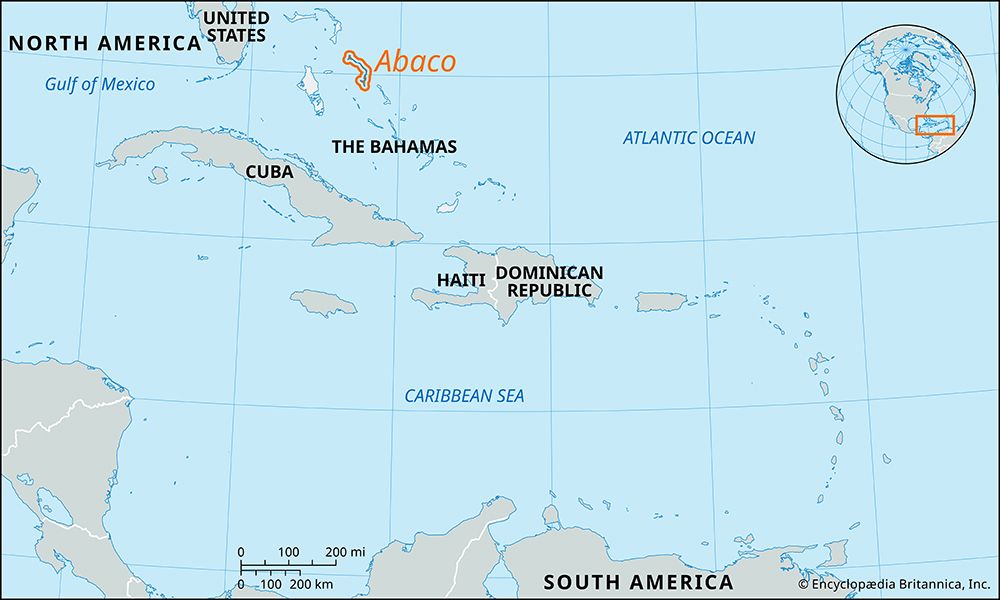
Grand Bahama Island is a prominent island located in The Bahamas, part of the West Indies. Situated in the Atlantic Ocean, it lies approximately 60 miles…
What is Grand Bahama Island?
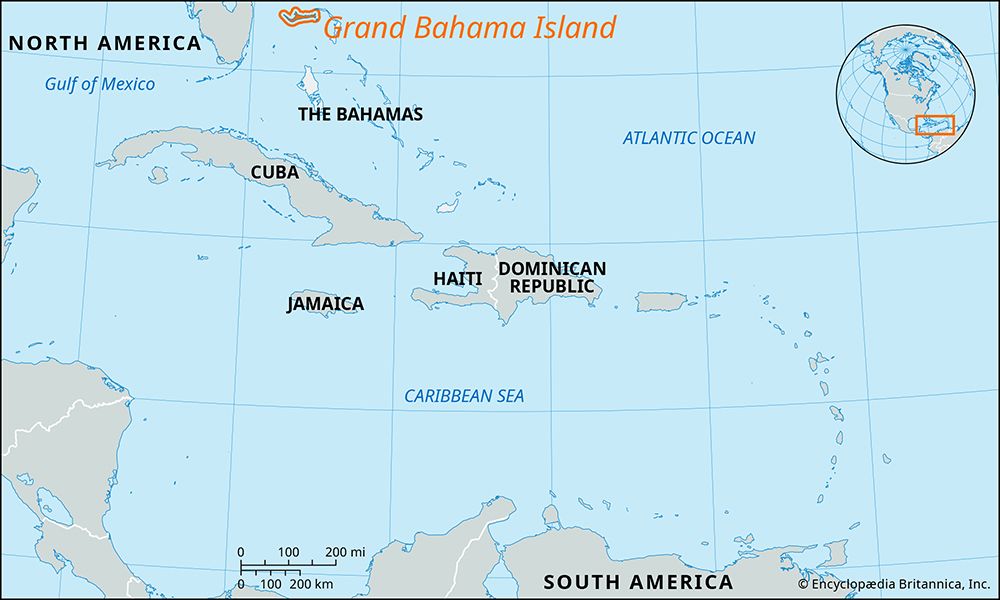
Grand Bahama Island is a prominent island located in The Bahamas, part of the West Indies. Situated in the Atlantic Ocean, it lies approximately 60 miles east of West Palm Beach, Florida, and just west of Great Abaco Island.1
Covering an area of 530 square miles (1,373 square km), the island’s economy relies on tourism, fishing, and forest products. The city of Freeport serves as a vital industrial and trade hub, featuring a large container transshipment port and one of the largest bunkering terminals in the Western Hemisphere. Other key population and resort centers include West End, Eight Mile Rock, and Pinders Point.12
What is the history of the Bahamas as a nation?
The history of The Bahamas is a complex narrative shaped by its strategic location and colonial legacy. Originally inhabited by the Lucayan Taino, the islands were the site of Christopher Columbus’s first landfall in the Americas, an event that led to the tragic decline of the indigenous population.4
Colonial Era and Piracy
British interest began in the 17th century, notably with the Company of Eleutherian Adventurers in 1647. During the late 17th and early 18th centuries, the islands became a notorious haven for piracy. This era of lawlessness ended after 1717, when the British crown established direct control and appointed Woodes Rogers as royal governor to suppress the pirates.5
Development and Independence
Following the American Revolution, many loyalists fled to the Bahamas, bringing enslaved people and establishing cotton plantations. The subsequent abolition of slavery in 1834–1838 left the islands with a fragile economy, which saw temporary booms during the American Civil War and U.S. Prohibition. After World War II, the nation successfully pivoted to tourism and finance. The Bahamas achieved full independence from the United Kingdom on July 10, 1973.546
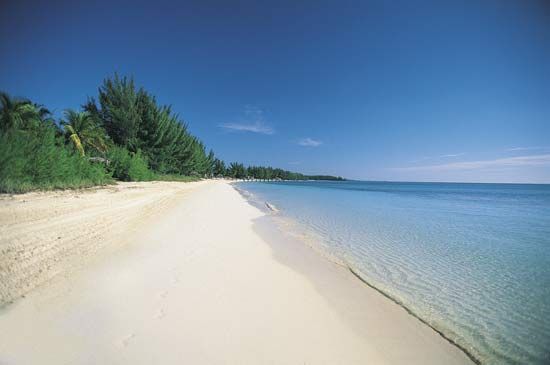
How does the climate of the Caribbean affect island life?
The climate of the Caribbean is predominantly tropical, significantly shaping island life through its influence on the economy, environment, and daily activities.
Economic and Environmental Impact
The region’s typically sunny weather and warm temperatures have established the Caribbean as a premier winter vacation destination, making tourism a cornerstone of the regional economy. However, this climate also presents severe risks. Seasonal hurricanes, which occur primarily between June and November, frequently cause extensive property damage and crop failure, significantly impacting the stability of agricultural economies like that of Dominica.8910
Marine Life and Biodiversity
Uniformly warm temperatures and clear waters are essential for the growth of coral reefs, which support diverse marine life and provide local staples such as reef fish and conch. Recent shifts in water chemistry and rising temperatures—potentially linked to climate change—have triggered coral bleaching events, threatening these vital ecosystems.811
What are some unique marine animals found in the West Indies?
The West Indies and the broader Caribbean region host a diverse array of marine life, supported largely by the area’s extensive coral reefs. These ecosystems provide essential habitats for numerous unique and characteristic species.
Notable marine animals found in the region include:
- Antillean Manatee: A subspecies of the West Indian manatee, these large, slow-moving aquatic mammals are frequently found in the nearshore waters, lagoons, and estuaries around the Greater Antilles.12
- Sea Turtles: Several species of sea turtles inhabit the Caribbean, utilizing the region’s warm waters and coastal environments.12
- Manta Ray: Also known as the devil ray, this species is characteristic of the Caribbean marine environment.12
- Spiny Lobster: Widely harvested throughout the region, this crustacean is a significant part of the local marine fauna.12
- Queen Conch: A prominent mollusk that serves as a local dietary staple.12
- Game Fish: The reefs and open waters are home to various notable fish, including bonefishes, barracuda, marlin, and wahoo.12
Sources
- Grand Bahama Island — Encyclopædia Britannica
- Grand Bahama — Merriam-Webster
- Nassau — Encyclopædia Britannica
- The Bahamas — Encyclopædia Britannica
- The Bahamas - British colonization — Encyclopædia Britannica
- flag of the Bahamas — Encyclopædia Britannica
- The Bahamas - Ethnic groups, languages, and religion — Encyclopædia Britannica
- Caribbean Sea - Climate — Encyclopædia Britannica
- Caribbean Sea - Resources — Encyclopædia Britannica
- Dominica - Economy — Encyclopædia Britannica
- Caribbean Sea - Study and exploration — Encyclopædia Britannica
- manatee — Encyclopædia Britannica
Published on · 3 min read