Grande River
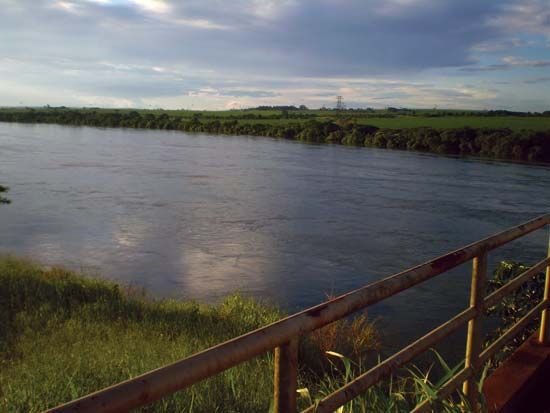
The name "Grande River" is a common misnomer for the Rio Grande, the fifth-longest river in North America and the 20th-longest in the world.
What is Grande River?
The name “Grande River” is a common misnomer for the Rio Grande, the fifth-longest river in North America and the 20th-longest in the world.1
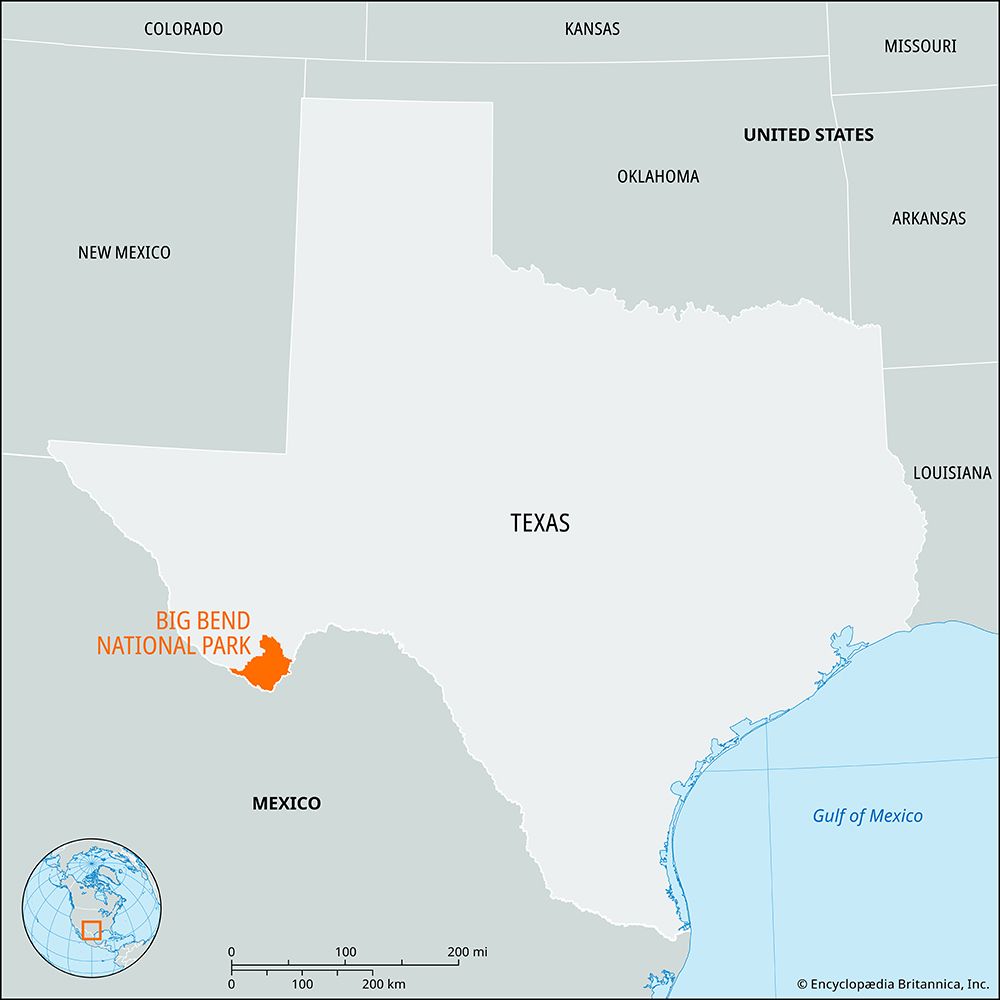
Spanning approximately 1,900 miles (3,060 km), the river rises in the Rocky Mountains of Colorado and flows southward through New Mexico before forming the international border between Texas and Mexico on its journey to the Gulf of Mexico1. Throughout its course, the river transitions from high-altitude mountain streams to arid desert landscapes and eventually the fertile Gulf Coastal Plain.12
Historically, the river has been a subject of significant exploration and boundary adjustments between the United States and Mexico, particularly following shifts in its channel. Today, it serves as a vital water source for agricultural regions despite the challenges of aridity and heavy water usage within its 336,000-square-mile watershed.31
What is the difference between the Rio Grande and the Rio Bravo?
There is no difference between the Rio Grande and the Rio Bravo; they are two names for the same river.1
The name Rio Grande is primarily used in the United States, while Rio Bravo (or Río Bravo del Norte) is the name used in Mexico. The river serves as a significant international boundary between the U.S. state of Texas and Mexico, stretching approximately 1,900 miles from its source in the Rocky Mountains of Colorado to the Gulf of Mexico.124
The distinction in naming is largely a matter of regional preference and linguistic tradition rather than a difference in the river’s physical identity or geography.1
How does the Rio Grande support agriculture in such an arid region?
The Rio Grande supports extensive agriculture in its arid basin primarily through sophisticated irrigation infrastructure and international water management agreements. Despite the region’s aridity, the river provides water for approximately 2,100,000 acres of cropland, with over half of this land located in Mexico.6
Key mechanisms supporting this agricultural production include:
- Reservoir Systems: Large-scale dams and reservoirs, such as the Elephant Butte in New Mexico, the Falcon Reservoir on the lower river, and the international Amistad Dam, regulate flow and store water for consistent use.6
- Tributary Contributions: The river is significantly replenished by tributaries, most notably the Conchos River in Mexico, which provides over one-sixth of the Rio Grande’s total water volume.6
- Water Treaties: To manage shared resources, the United States and Mexico have established critical water treaties (1905–07 and 1944–45) and regional compacts, such as the Rio Grande Compact (1939), to regulate water allocation among states and nations.6
- Groundwater: Natural springs, particularly between Big Bend National Park and Del Rio, Texas, serve as dependable sources of groundwater for the basin.6
What are some of the unique plants and animals found in Big Bend National Park?
Big Bend National Park features a diverse range of flora and fauna, shaped by its unique environmental zones—the desert floor, the riparian corridor along the Rio Grande, and the high-elevation Chisos Mountains.8
Desert Flora and Fauna
Located in the Chihuahuan Desert, the park is home to hardy plants such as yucca, century plant, creosote bush, and lechuguilla, which is considered the desert’s indicator plant. Various cacti, including prickly pear and strawberry, also thrive here. Typical wildlife includes the mule deer, coyote, collared peccary, jackrabbit, kangaroo rat, and rattlesnake.88
River and Mountain Life
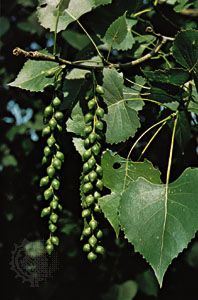
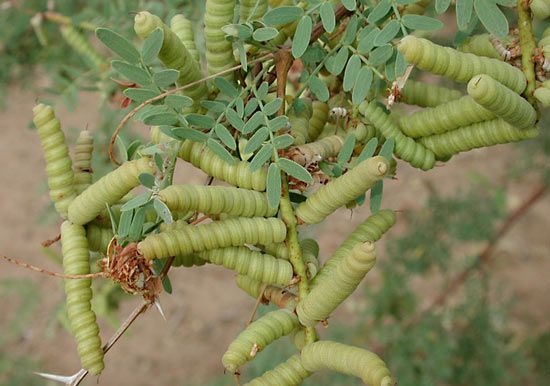
Along the river, trees such as cottonwood, acacia, willow, and mesquite provide a habitat for beavers, catfish, and birds like sandpipers, tanagers, cardinals, and cliff swallows. In the cooler, higher elevations of the Chisos Mountains, forests of juniper, oak, and piñon pine appear, alongside Douglas firs, quaking aspens, and Arizona cypresses. These mountains support populations of white-tailed deer and pumas.8
Sources
- Rio Grande - Physical features — Encyclopædia Britannica
- Rio Grande — Encyclopædia Britannica
- Rio Grande - Study and exploration — Encyclopædia Britannica
- Mexican Cession — Encyclopædia Britannica
- Rio Grande — Merriam-Webster
- Rio Grande - The economy — Encyclopædia Britannica
- water scarcity - Mechanisms — Encyclopædia Britannica
- Big Bend National Park — Encyclopædia Britannica
- Chihuahuan Desert: Top Questions — Encyclopædia Britannica
Published on · 3 min read