Water Scarcity
Water scarcity is defined as the lack of sufficient freshwater resources to meet the human and environmental demands of a specific area. It is a critical…
What is water scarcity?
Water scarcity is defined as the lack of sufficient freshwater resources to meet the human and environmental demands of a specific area. It is a critical global issue inextricably linked to human rights, as access to safe drinking water is essential for development and survival.12
There are two primary types of water scarcity:
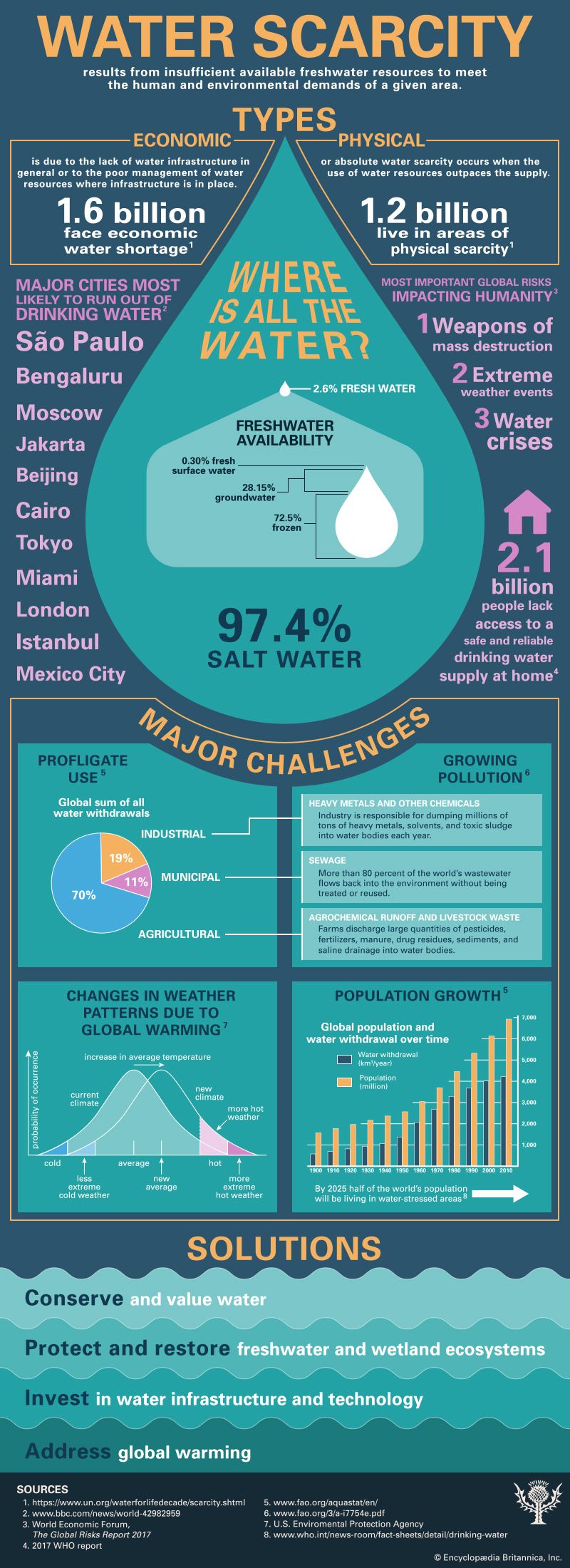
- Physical (or absolute) scarcity: Occurs when the demand for water outpaces the available supply. Approximately 1.2 billion people live in areas facing physical scarcity.23
- Economic scarcity: Results from a lack of water infrastructure or poor management of existing resources. Even where water is physically present, it may be inaccessible, polluted, or mismanaged. An estimated 1.6 billion people face this type of shortage.23
Major drivers of water scarcity include population growth, profligate use—particularly in agriculture, which accounts for 70 percent of global water withdrawals—pollution, and shifting weather patterns caused by global warming.12
Why is water an important natural resource?
Water is a vital natural resource that serves as the foundation for life, economic activity, and environmental stability. Its importance can be categorized into several key areas:
Biological Necessity
Water is the most critical nutrient for humans and the principal constituent of all living things, making up 50 to 70 percent of human body weight. It acts as a solvent and a medium for transporting nutrients and waste, regulates body temperature, and maintains blood pressure. Without it, survival is limited to only a few days.78
Economic and Industrial Foundation
Water is essential for global economic growth and food security.9
- Agriculture: It is the backbone of farming, where irrigation enables the cultivation of crops in arid regions and increases overall productivity.109
- Energy: Water is a primary source of hydroelectric power, and its unique properties—specifically its high latent heat of vaporization—make it indispensable for generating steam to drive turbines in power plants.911
- Industry: It is widely used in manufacturing processes, including the production of steel, chemicals, and refined petroleum.11
Environmental and Global Role
Water is central to the water cycle, which regulates Earth’s climate and maintains a habitable environment. It acts as a major receptacle for inorganic and organic substances, playing a dominant role in transporting these materials across the planet’s surface.812
What causes water scarcity in different regions?
Water scarcity is a complex global challenge driven by a combination of environmental, social, and infrastructural factors. It is generally categorized into two types: physical and economic scarcity.13
Physical Scarcity
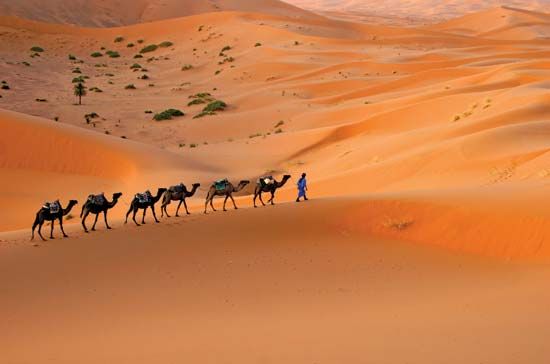
Physical, or absolute, water scarcity occurs when the demand for water in a region outpaces the available supply. This is common in arid or semi-arid regions where natural freshwater resources are limited. This condition can also be seasonal, affecting approximately two-thirds of the global population for at least one month each year.13
Economic Scarcity
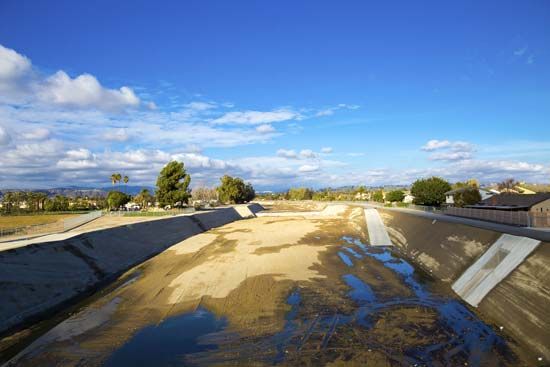
Economic water scarcity exists when there is sufficient water to meet human and environmental needs, but access is restricted. Key causes include:3
- Lack of Infrastructure: Insufficient or poorly maintained systems, such as leaking pipes, prevent water from reaching those who need it.13
- Mismanagement: Inefficient use of resources, such as the over-extraction of aquifers or the failure to treat wastewater, leads to shortages.3
- Pollution: Contamination from industrial waste, sewage, and agricultural runoff can render otherwise available water unsafe for consumption.135
Global Drivers
Several overarching factors exacerbate both types of scarcity:
- Population Growth: Increasing human populations place greater pressure on finite water supplies.141
- Profligate Use: Agriculture accounts for 70 percent of global water withdrawals, often leading to unsustainable consumption.1
- Global Warming: Climate change is shifting weather patterns, leading to more extreme and unpredictable events, such as prolonged droughts and altered precipitation rates, which disrupt the water cycle.14115
How does water scarcity affect people and the environment?
Water scarcity, defined as the lack of sufficient freshwater resources to meet human and environmental needs, has profound consequences for both society and the natural world.117
Impact on People
Water is a fundamental human right, and its absence creates severe humanitarian challenges:
- Health and Survival: With humans able to survive only a few days without water, scarcity can rapidly escalate into a complex humanitarian emergency. Currently, over 2 billion people lack access to safe, reliable drinking water at home.417
- Economic Instability: Scarcity disrupts industries, drives up food prices through agricultural failure, and can lead to socioeconomic drought, where water shortages destabilize markets and household budgets](https://www.britannica.com/science/drought), where water shortages destabilize markets and household budgets.17
- Conflict and Migration: Chronic shortages often force difficult choices regarding water allocation between agricultural, industrial, and municipal interests. This competition can trigger forced migration and regional conflicts, particularly in fragile geopolitical areas.4
Impact on the Environment
The environment suffers significantly when water is over-extracted or polluted:
- Ecosystem Collapse: The diversion and overuse of rivers and lakes for irrigation often result in the total collapse of ecosystems, as seen with the Aral Sea.4
- Groundwater Depletion: Excessive reliance on aquifers threatens long-term water security, as many of the world’s largest systems are currently in distress.4
- Habitat Loss: Wetlands, which provide critical habitats for wildlife, are highly sensitive to drying conditions and human development, leading to declines in biodiversity and migratory species.318
Sources
- water scarcity — Encyclopædia Britannica
- water scarcity - Engineering technologies — Encyclopædia Britannica
- Water Scarcity Facts and Statistics — Encyclopædia Britannica
- water scarcity - Effects — Encyclopædia Britannica
- water scarcity - Mechanisms — Encyclopædia Britannica
- Global warming - Socioeconomic consequences of global warming — Encyclopædia Britannica
- human nutrition - Water — Encyclopædia Britannica
- hydrologic sciences — Encyclopædia Britannica
- Origins of agriculture - Irrigation — Encyclopædia Britannica
- water infrastructure in India — Encyclopædia Britannica
- steam — Encyclopædia Britannica
- hydrosphere - Distribution and quantity of Earth’s waters — Encyclopædia Britannica
- water scarcity - Economic and social solutions — Encyclopædia Britannica
- hydrosphere - Buildup of greenhouse gases — Encyclopædia Britannica
- water pollution: Top Questions — Encyclopædia Britannica
- Irrigation - Water supply — Encyclopædia Britannica
- The economics of drought — Encyclopædia Britannica
- Wetland - Effects of climate change — Encyclopædia Britannica
- Wetland - Wetland management — Encyclopædia Britannica
Published on · 4 min read