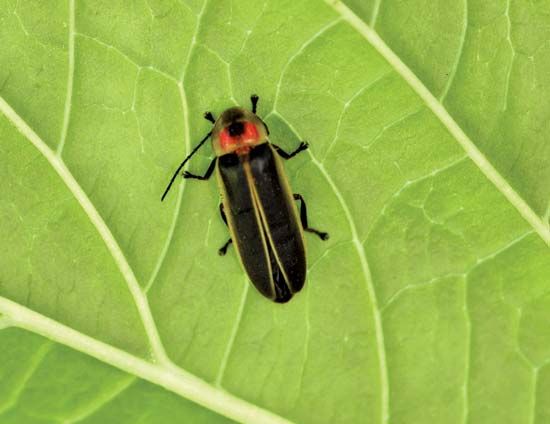
How Do Fireflies Light Up?
Fireflies produce light through a chemical process called bioluminescence, which occurs within specialized cells known as photocytes located on the underside…
How do fireflies light up?
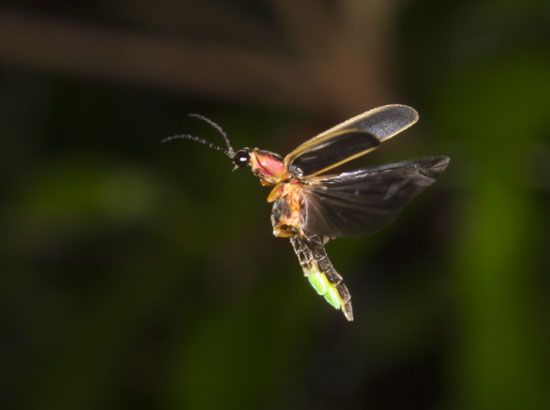
Fireflies produce light through a chemical process called bioluminescence, which occurs within specialized cells known as photocytes located on the underside of their abdomen.12
This reaction involves the light-emitting compound luciferin and the enzyme luciferase. Luciferase acts as a catalyst, accelerating the oxidation of luciferin in the presence of oxygen and ATP. This process creates an unstable, excited-state intermediate called oxyluciferin. As this compound returns to a lower energy state, it releases energy in the form of light.12
Because nearly all the energy is emitted as light with almost no heat, it is known as “cold light.” Fireflies use these rhythmic, species-specific flashes for communication, mating, and potentially as a defense mechanism against predators.12
What other animals are capable of bioluminescence?
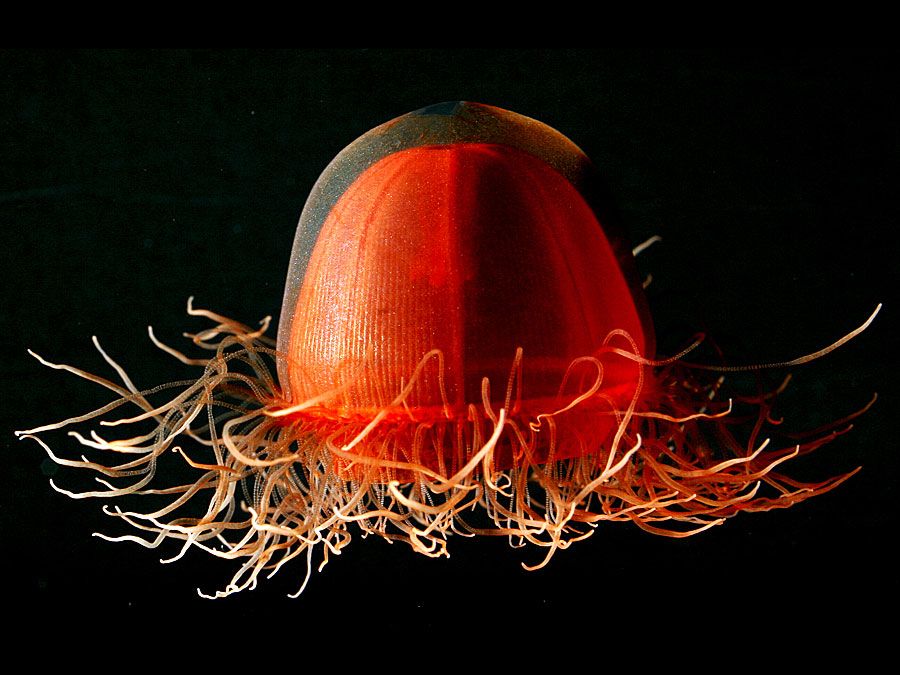
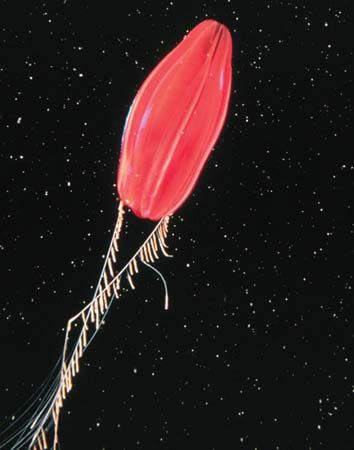
Bioluminescence is a widespread phenomenon found across many taxonomic groups, particularly in marine environments. While it is not known to exist in plants, amphibians, reptiles, birds, or mammals, many other organisms possess the ability to produce “cold light” through chemical reactions.34
Marine Organisms
The majority of bioluminescent organisms are found in the ocean, ranging from microscopic life to large animals:56
- Microorganisms: Many dinoflagellates and bacteria (such as Vibrio and Photobacterium) are bioluminescent.56
- Invertebrates: This group includes many jellyfish, ctenophores (comb jellies), sea pens, and crustaceans like copepods and ostracods (e.g., Vargula hilgendorfii). Many squids and some annelids, such as the fire worm Odontosyllis, also exhibit this trait.56
- Fish: Fish are the only bioluminescent vertebrates.Fish:** Fish are the only bioluminescent vertebrates. Well-known examples include anglerfish, lanternfish, hatchetfish, and even some deep-sea sharks.654
Terrestrial Organisms
Luminescence is less common on land but appears in several groups:6
- Fungi: Over 70 species of fungi are bioluminescent, often referred to as “foxfire” when growing on decaying wood.64
- Insects: Beyond fireflies, other bioluminescent insects include certain click beetles, railroad worms, and the larvae of some flies, such as Arachnocampa luminosa.6
- Other Land Invertebrates: Certain centipedes and millipedes are also known to glow.6
How do fireflies use their light to defend themselves from predators?
While fireflies are primarily known for using their rhythmic flashes for mating and species recognition, some researchers believe their light also serves as a protective mechanism.18
This potential defense strategy is linked to aposematism, a biological phenomenon where an organism uses signals to advertise its unpalatability or toxicity to potential predators. By flashing, the firefly may be reminding predators of its bitter taste, thereby discouraging them from attacking.28
However, this defense is not universally effective. The effectiveness of this warning signal can vary, as some predators, such as certain species of frogs, may consume large numbers of fireflies regardless of the light, sometimes even causing the predators themselves to glow after ingestion.8
What are glowworms and how do they differ from fireflies?
The term “glowworm” does not refer to a single species but is a general name for various crawling, luminous insects that emit a continuous or prolonged glow, rather than the brief, rhythmic flashes typical of most fireflies.10
Key Differences
- Light Pattern: Fireflies are best known for their short, rhythmic flashes used for mating signals. In contrast, glowworms typically emit a steady, continuous light.102
- Life Stage and Form: While fireflies are a family of beetles (Lampyridae) where both sexes are often winged, “glowworm” is a label applied to diverse groups, including the wingless adult females of certain beetles, the larvae of various firefly species, and even the larvae of certain gnats, such as the cave-dwelling Arachnocampa.102
- Purpose of Light: Firefly flashes are primarily a signal system to bring the sexes together. While some glowworms also use light to attract mates (such as the European glowworm), others, like the gnat larvae, use their glow to lure prey into sticky webs.102
Sources
- How do fireflies light up? — Encyclopædia Britannica
- firefly — Encyclopædia Britannica
- Marine bioluminescence — Encyclopædia Britannica
- Bioluminescence - The range and variety of bioluminescent organisms — Encyclopædia Britannica
- Bioluminescence — Encyclopædia Britannica
- Everything’s Illuminated: 6 Bioluminescent Organisms — Encyclopædia Britannica
- chemiluminescence — Encyclopædia Britannica
- Bioluminescence - The role of bioluminescence in behavior — Encyclopædia Britannica
- aposematism — Encyclopædia Britannica
- glowworm — Encyclopædia Britannica
Published on · 3 min read