List of Important Straits
Straits are narrow, naturally occurring waterways that connect two larger bodies of water, serving as vital gateways for global maritime trade. Because over…
What is List of Important Straits?
Straits are narrow, naturally occurring waterways that connect two larger bodies of water, serving as vital gateways for global maritime trade. Because over 80 percent of international trade is transported by sea, these passages function as critical choke points for the global economy.1
Key straits of global importance include:
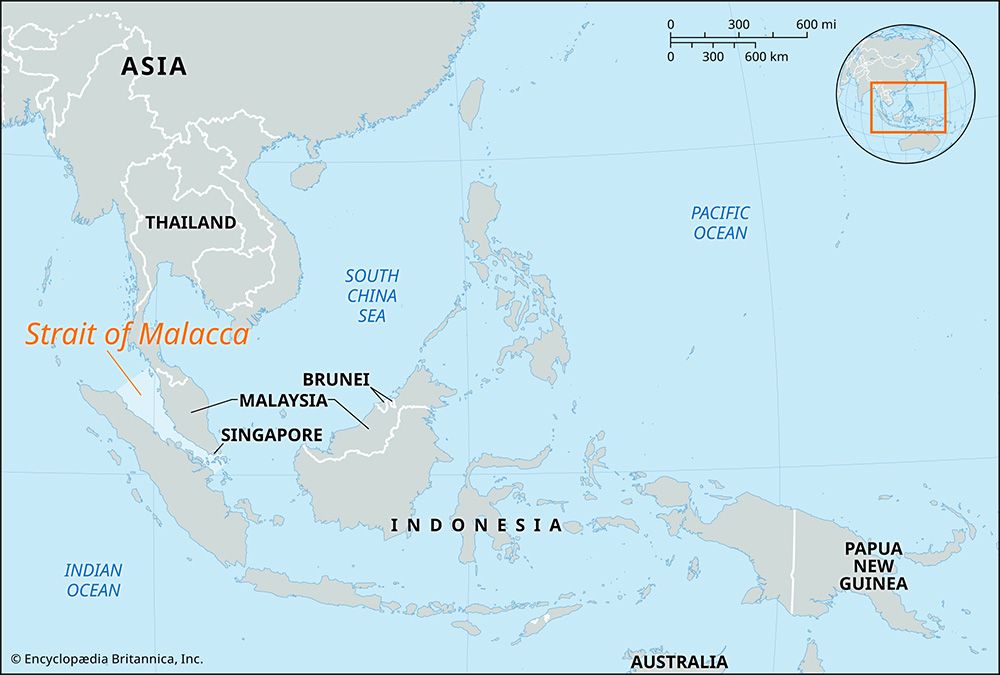
- Strait of Malacca: The shortest sea route between the Indian and Pacific oceans, handling approximately 30 percent of global trade.1
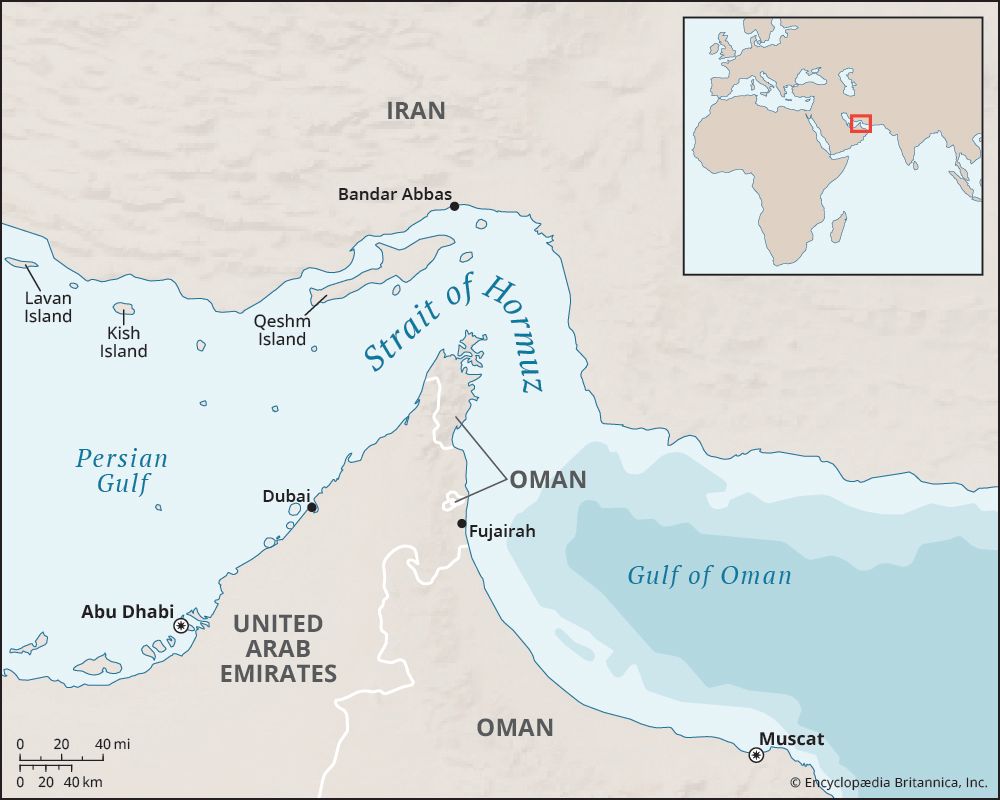
- Strait of Hormuz: A primary route for petroleum exports, through which one-fifth of the world’s oil and liquefied natural gas passes.21
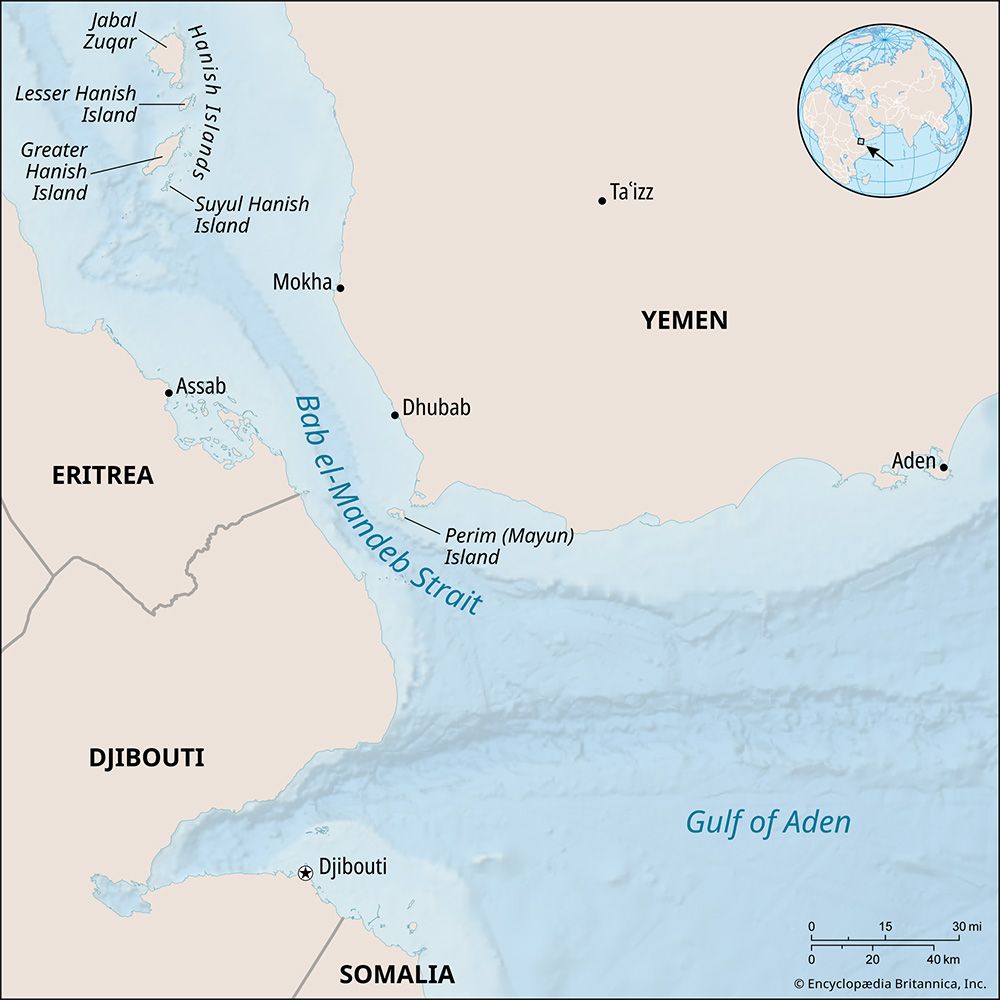
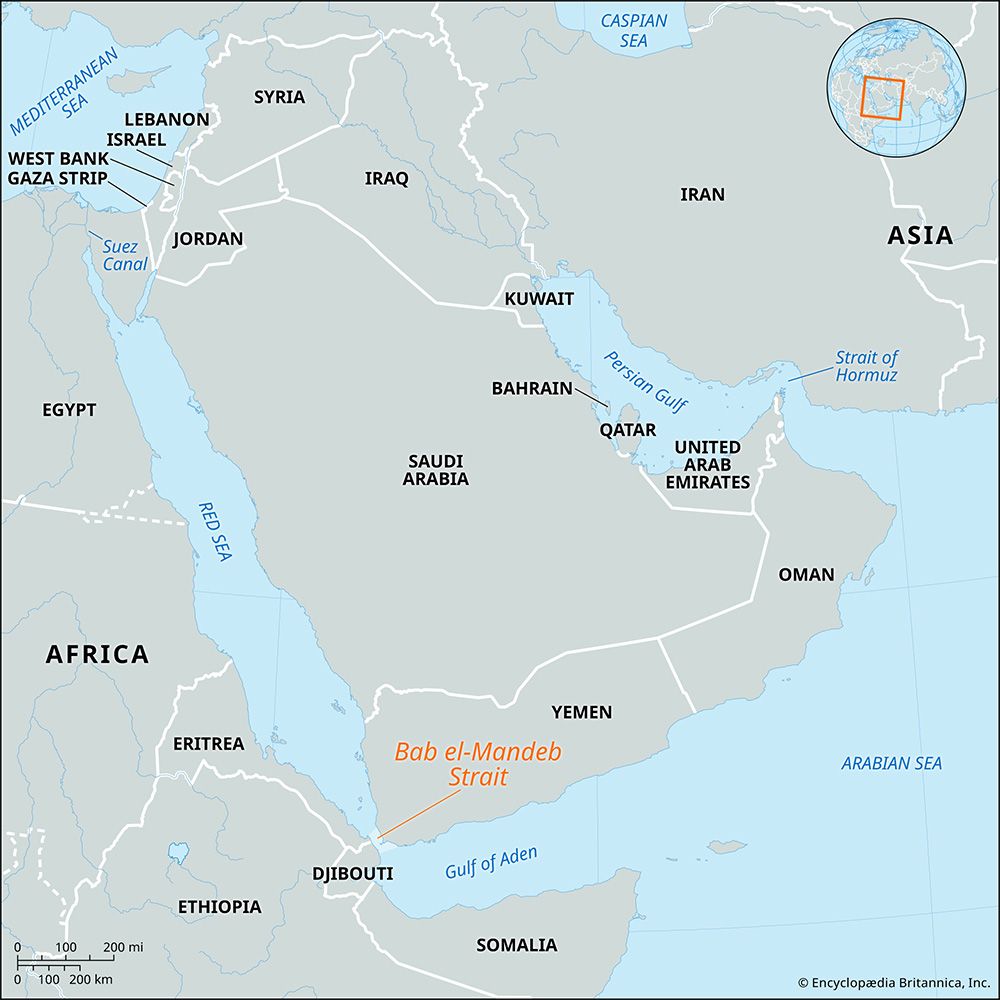
- Bab el-Mandeb Strait: A strategic link between the Red Sea and the Gulf of Aden, gaining significant importance following the opening of the Suez Canal.1
- Strait of Gibraltar: Connects the Mediterranean Sea to the Atlantic Ocean.1
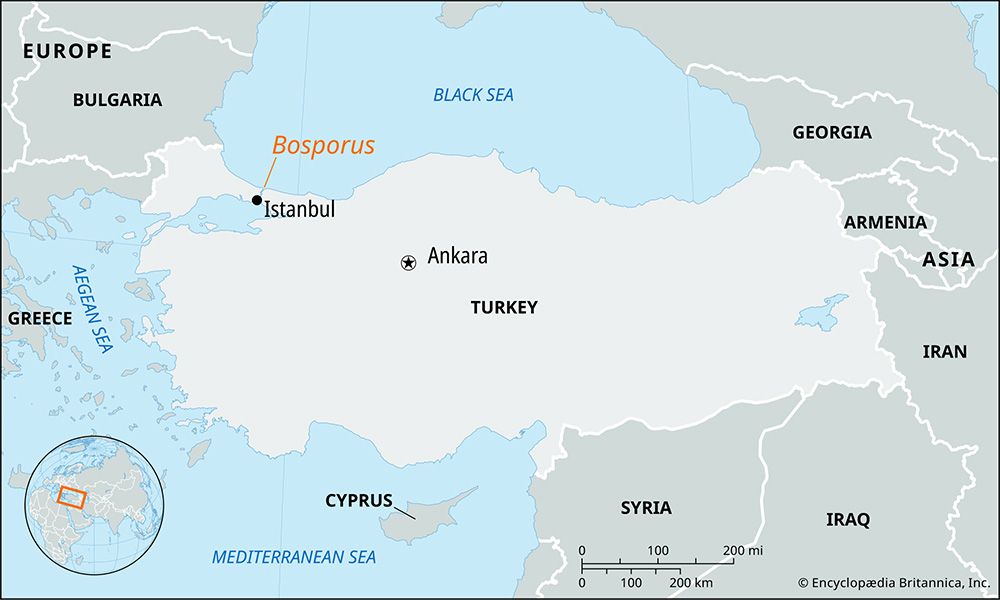
- Bosporus: Separates Europe and Asia, linking the Black Sea to the Sea of Marmara.1
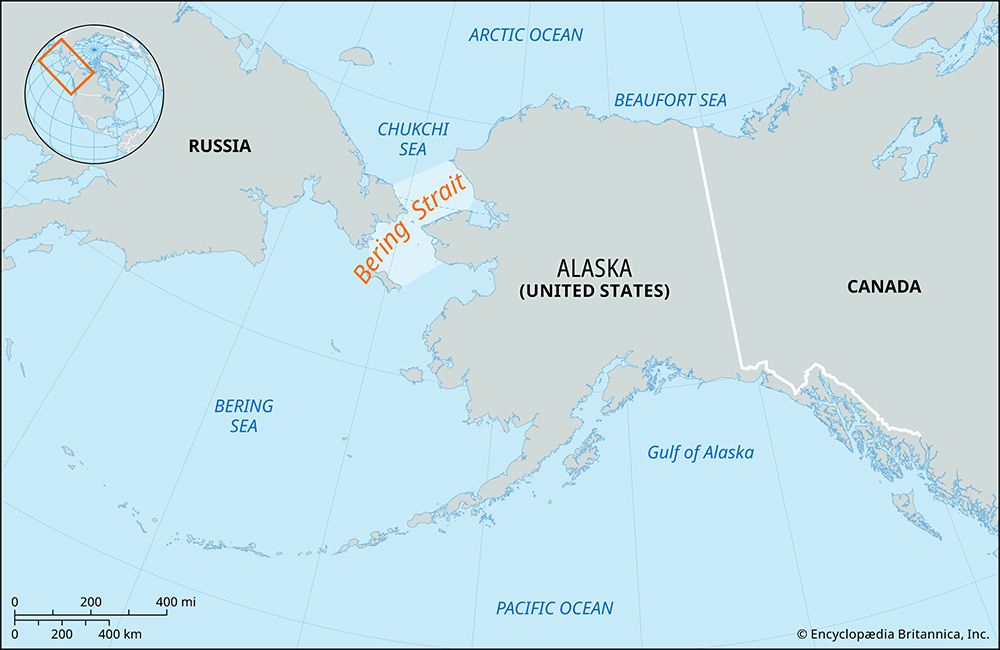
- Bering Strait: Connects the Bering Sea to the Arctic Ocean.1
- Strait of Magellan: Links the Atlantic and Pacific oceans at the southern tip of South America.1
- Strait of Messina: Separates Sicily from the Italian mainland.1
What is the difference between a natural strait and an artificial canal?
The primary difference between a natural strait and an artificial canal lies in their origin and construction.
A strait is a naturally occurring, narrow waterway that connects two larger bodies of water. These passages are typically formed by tectonic activity, such as the fracturing of an isthmus, or by the movement of water over eroded or subsided land. Because they are natural features, they often require little to no human intervention to maintain their basic structure.42
In contrast, a canal is an artificially constructed waterway built by humans, generally to facilitate maritime transportation. Unlike straits, which follow natural geography, canals can be engineered to depart from natural river valleys, allowing them to pass through hills, watersheds, and across valleys. Because they are man-made, canals often require significant engineering, such as the construction of locks to manage elevation changes, as well as ongoing maintenance to protect the banks and beds against erosion and seepage.452
While both serve as vital gateways for global trade, canals are specifically designed to provide shorter or more efficient routes between bodies of water, such as the Panama Canal or the Suez Canal.64
How do shipping lanes help prevent accidents in busy straits?
Shipping lanes play a critical role in preventing accidents in busy straits by providing formally defined, predictable paths for maritime traffic. In areas where navigational hazards, shallow water, or high traffic volume limit a vessel’s maneuverability, these lanes act as a structured “guideway” to keep ships on safe courses and away from danger.3
To enhance safety, shipping lanes often incorporate the following measures:
- Traffic Separation: By establishing separate lanes for opposing traffic—such as eastbound and westbound routes—authorities significantly reduce the risk of head-on collisions.3
- Navigational Aids: Lanes are frequently marked by buoys, lighthouses, and beacons, which help pilots maintain their position and avoid hazards like wrecks or shallow ground.39
- Vessel Traffic Systems (VTS): In many busy areas, a VTS coordinates ship passage to ensure movement is orderly. These centers use surveillance and communication to monitor tracks and can provide advance warnings of potential collisions, allowing pilots extra time to maneuver.10
- Standardized Regulations: The International Maritime Organization establishes global standards, such as the International Regulations for Preventing Collisions at Sea, which dictate how ships must navigate, signal, and display lights to ensure consistency and predictability.1112
What role did the Bering Strait play in human migration during the Ice Age?
During the Pleistocene Epoch, the area now occupied by the Bering Strait served as a critical land bridge known as Beringia.1415
As global temperatures dropped and massive amounts of water became trapped in glaciers, worldwide sea levels fell by as much as 400 feet (120 metres). This exposed a vast, dry region of former seafloor connecting northeastern Asia and northwestern North America. This land bridge, which reached its greatest extent roughly 20,000 years ago, was not glaciated and supported cold-hardy tundra vegetation.1415
This environment allowed for the migration of plants, animals, and humans between the Old and New worlds. While there is no universal agreement on the exact method of travel—with some theories suggesting an overland route in pursuit of game and others proposing coastal travel by boat—it is widely accepted that humans migrated from Asia into the Americas between 20,000 and 35,000 years ago. As glaciers eventually melted and sea levels rose, the land connection was submerged, forming the modern strait.1415
Sources
- Strait of Hormuz: Top Questions — Encyclopædia Britannica
- List of Important Straits — Encyclopædia Britannica
- shipping route — Encyclopædia Britannica
- canals — Merriam-Webster
- strait — Merriam-Webster
- canal — Merriam-Webster
- canals and inland waterways - Characteristics of basic types — Encyclopædia Britannica
- canals and inland waterways - Channel design — Encyclopædia Britannica
- traffic control - New concepts — Encyclopædia Britannica
- traffic control - Traffic elements — Encyclopædia Britannica
- traffic control - Conventional control techniques — Encyclopædia Britannica
- International Maritime Organization — Encyclopædia Britannica
- ship - International conventions — Encyclopædia Britannica
- Beringia — Encyclopædia Britannica
- Bering Strait — Encyclopædia Britannica
Published on · 4 min read