Pittosporum
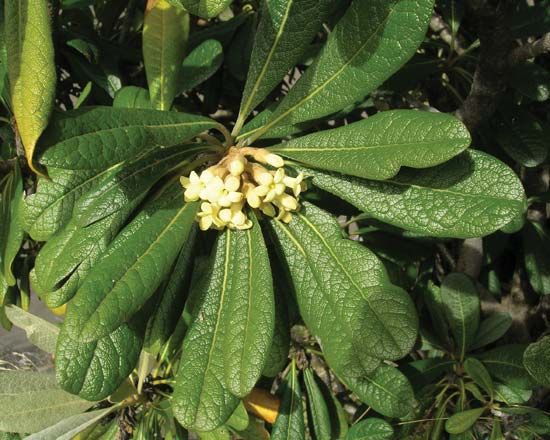
Pittosporum is a genus of evergreen trees and shrubs belonging to the family Pittosporaceae. These plants, often referred to as Australian laurel, are native…
What is pittosporum?
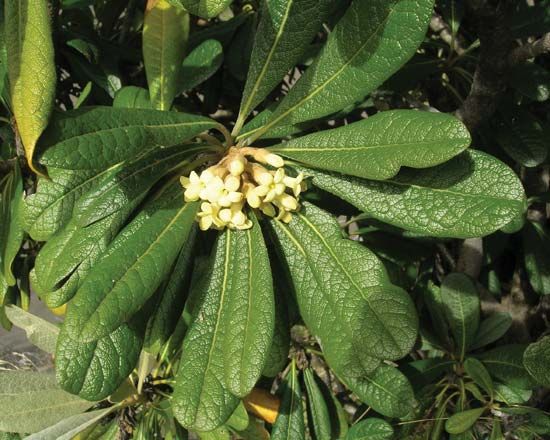
Pittosporum is a genus of evergreen trees and shrubs belonging to the family Pittosporaceae. These plants, often referred to as Australian laurel, are native to regions ranging from tropical Africa to the Pacific islands, with many species originating in Australia and New Zealand.12
Characterized by their long, leathery leaves and resinous stems, these plants are widely cultivated as ornamentals in warm climates. A notable species is the tobira, or house-blooming mock orange (P. tobira), which is valued for its fragrant flowers and is frequently used as a hedge plant or an indoor ornamental. Other species, such as the karo (P. crassifolium), are often utilized as coastal windbreaks. The name is derived from the Greek words for “pitch” and “seed,” reflecting the resinous nature of the plant.123
What are the characteristics of evergreen plants?
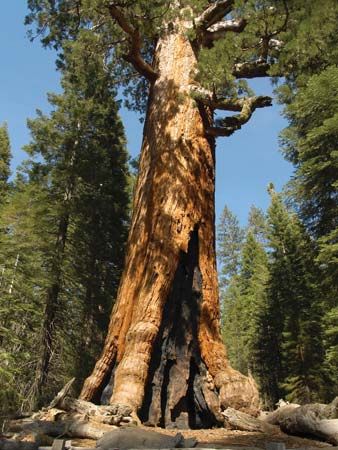
An evergreen is any plant that retains its foliage throughout the year and into the following growing season. Unlike deciduous plants, which shed their leaves at the end of each growing season, evergreens keep their leaves for two years or longer, and these leaves may fall during any season.456
Key characteristics of evergreen plants include:
- Foliage Structure: The leaves of evergreens are typically thicker and more leathery than those of deciduous plants. In conifers, these leaves are often needlelike or scalelike.4
- Durability: Many evergreens feature “sclerophyll” foliage, which is thickened and hardened to resist water loss. This tough structure allows them to remain functional and continue food production through various seasons, including winter.45
- Diversity: Evergreen species are found in diverse environments. In cold-temperate and Arctic regions, they are commonly cone-bearing trees such as pines and firs. In contrast, most tropical rain forests are dominated by broad-leaved evergreens.4
- Classification: Evergreens are categorized as woody plants because their shoots are durable and survive over a period of years.6
How do windbreaks help protect coastal environments?
Windbreaks, which consist of rows of trees or shrubs, protect coastal and other environments primarily by slowing and redirecting wind. By reducing wind velocity, they provide several critical benefits:8
- Erosion Control: Windbreaks help mitigate soil erosion caused by high winds, thereby protecting soil and water quality.89
- Moisture Conservation: By lowering wind speeds, they reduce the rate of transpiration in plants and decrease evaporation losses, which helps maintain soil moisture.89
- Physical Protection: They shield sensitive vegetation and structures from mechanical damage caused by wind stress.89
- Ecosystem Support: Windbreaks enhance biodiversity by creating habitats for pollinators, migratory birds, and other wildlife, while also helping to connect fragmented forests.8
- Climate Mitigation: They contribute to carbon sequestration, assisting in the effort to mitigate global warming.8
What are some other popular ornamental shrubs for warm climates?
In addition to the popular bougainvillea, which is prized for its vibrant, papery bracts, there are several other ornamental shrubs well-suited for warm climates:
- Crepe myrtle (Lagerstroemia indica): Widely cultivated for its smooth gray bark and panicles of pink, purple, or white flowers.
- Hibiscus: A diverse genus within the Malvaceae family, known for its showy, often large flowers that attract various pollinators.
- Fuchsia: A shrubby plant recognized globally for its delicate, pendulous flowers, typically appearing in shades of red and purple.
- Glory bush (Tibouchina organensis): A member of the Melastomataceae family, this shrub is noted for its striking purple to violet flowers and purple anthers.
- Pomegranate (Punica granatum): Often grown in warmer regions both for its edible fruit and its ornamental value.
- Bottlebrush (Callistemon): A horticulturally important genus in the Myrtaceae family, popular for its distinctive flower spikes.
Sources
- Pittosporaceae — Encyclopædia Britannica
- pittosporum — Merriam-Webster
- pittosporum — Encyclopædia Britannica
- Evergreen — Encyclopædia Britannica
- houseplant - Trees — Encyclopædia Britannica
- Plant - Classification of angiosperms — Encyclopædia Britannica
- evergreen — Merriam-Webster
- Windbreak — Encyclopædia Britannica
- Agricultural technology - Wind — Encyclopædia Britannica
- bougainvillea — Encyclopædia Britannica
- Myrtales - Economic and ecological importance — Encyclopædia Britannica
- Malvaceae — Encyclopædia Britannica
Published on · 3 min read