São Lourenço River
The São Lourenço River is a northeastern tributary of the Paraguay River located in Brazil. Rising near Poxoréu in the state of Mato Grosso, it flows…
What is São Lourenço River?
The São Lourenço River is a northeastern tributary of the Paraguay River located in Brazil. Rising near Poxoréu in the state of Mato Grosso, it flows approximately 300 miles (480 km) southwest through the Paraguay floodplain before joining the Paraguay River north of Corumbá.1
The river receives the Cuiabá River, and the lower course of the combined rivers is sometimes referred to by the name Cuiabá. As a navigable waterway for small craft, the São Lourenço serves as an important route for both travel and trade in the region.1
What is the importance of the Paraguay River system?
The Paraguay River system is a vital geographical and economic artery in South America, serving as the principal tributary of the Paraná River.2 Its importance spans ecological, commercial, and environmental domains:2
Ecological Significance
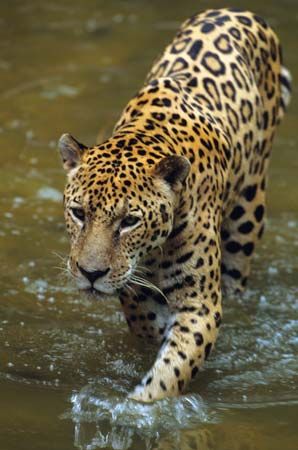
The river is central to the Pantanal, one of the world’s largest freshwater wetlands. This region acts as a critical sanctuary for diverse wildlife, including endangered species like the jaguar and giant otter, while providing essential ecosystem services such as water purification, groundwater recharge, and climate stabilization.3
Economic and Transport Utility
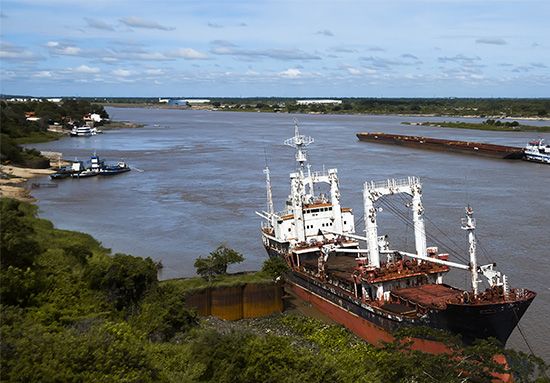
- Trade and Navigation: The river serves as a commercial waterway linking inland ports, such as Asunción, to the Atlantic Ocean via Argentina. While navigation is often limited by seasonal water fluctuations and shallow depths, the use of river barges has seen a resurgence for transporting agricultural exports like soybeans.45
- Livelihood: The basin supports livestock raising and subsistence agriculture, which remain the primary modes of livelihood for the sparsely populated region.67
How does the Pantanal wetland affect these rivers?
The Pantanal acts as a massive, dynamic regulator for the Paraguay River and its tributaries, such as the São Lourenço and Taquari rivers. Its influence on these waterways is defined by seasonal cycles:
- Flood Regulation: During the summer rainy season, the rivers overflow their banks, inundating the vast lowlands to form extensive marshes and shallow lakes. This process allows the wetland to absorb and store immense volumes of water.4
- Drainage and Flow: In the drier winter months, the rivers recede back into their banks. The Pantanal facilitates a gradual release of water, supported by a network of surface channels and subsurface streams, which helps maintain river flow throughout the year.4
- Sedimentation and Fertility: As the rivers flood the plains, they deposit nutrient-rich sediments. This natural process not only enriches the soil of the floodplain but also plays a critical role in water purification and groundwater recharge for the entire basin.4
What kind of wildlife lives along the São Lourenço River?
The São Lourenço River is a key tributary within the Pantanal, a vast wetland that serves as a sanctuary for a diverse array of wildlife. Because the river is integral to this ecosystem, it supports a rich variety of species that thrive in the region’s seasonally flooded environment.4
The wildlife found along these waterways includes:
- Mammals: Jaguars, tapirs, capybaras, giant otters, howler monkeys, capuchin monkeys, and marsh deer.4
- Reptiles: Anacondas and various species of caimans.4
- Birds: Approximately 600 species, including the jabiru stork, hyacinth macaws, greater rheas, herons, ibises, and ducks.4
- Other Fauna: Thousands of butterfly varieties and hundreds of fish species.4
Many of these animals, such as the jaguar and the giant otter, are considered endangered or increasingly rare, highlighting the importance of the river’s protected status within the Pantanal Conservation Complex.4
Sources
- São Lourenço River — Encyclopædia Britannica
- Paraguay River — Encyclopædia Britannica
- Río de la Plata - Physiography of the Paraguay basin — Encyclopædia Britannica
- Pantanal — Encyclopædia Britannica
- Paraguay - Transportation — Encyclopædia Britannica
- Río de la Plata - Resource exploitation — Encyclopædia Britannica
- Río de la Plata - Transportation — Encyclopædia Britannica
- Cuiabá River — Encyclopædia Britannica
Published on · 3 min read