Spicebush
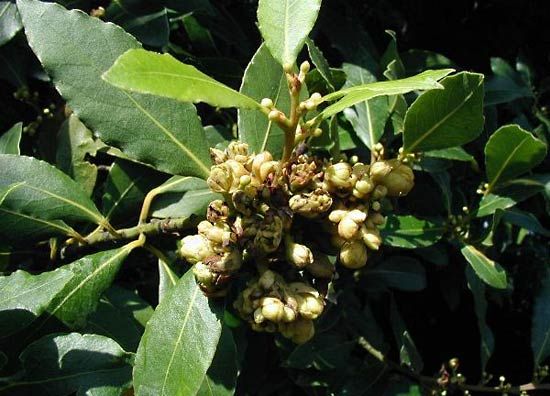
The spicebush (Lindera benzoin) is a dense, deciduous shrub belonging to the laurel family (Lauraceae) and is native to eastern North America. Typically…
What is spicebush?
The spicebush (Lindera benzoin) is a dense, deciduous shrub belonging to the laurel family (Lauraceae) and is native to eastern North America. Typically found in damp woodlands, it grows to a height of approximately 1.5 to 6 meters (5 to 20 feet).12
The plant is characterized by its aromatic properties and oblong leaves that are wedge-shaped at the base. In the spring, it produces clusters of small, yellow, unisexual flowers, which are later followed by fleshy, scarlet-colored fruit containing a single seed with a stony covering. Historically, the young twigs, leaves, and fruit of the spicebush have been utilized to prepare a tea-like beverage.12
What other plants belong to the laurel family?
The Lauraceae family, also known as the laurel family, comprises approximately 50 genera and over 2,500 species of mostly evergreen trees and shrubs. Many members of this family are recognized for their aromatic properties, which result from essential oil cavities found in their leaves, wood, and bark.34
Notable plants within the Lauraceae family include:
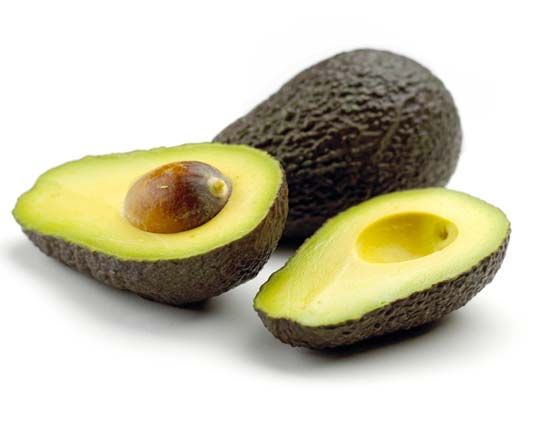
- Avocado: A well-known fruit-bearing tree belonging to the genus Persea.3
- Cinnamon and Cassia: Species within the genus Cinnamomum, which are also sources of camphor.3
- Bay Laurel: Also known as the sweet bay tree (Laurus nobilis), native to the Mediterranean and the source of culinary bay leaves.35
- Sassafras: A genus containing three species, including the North American S. albidum, used in herbal medicine and as a flavoring.3
- Greenheart: A valuable South American timber tree.3
- Cassytha: An unusual, rootless, vinelike parasitic plant.36
- Major Genera: Other significant genera include Ocotea, Litsea, Cryptocarya, Nectandra, and Beilschmiedia.3
Which insects or animals rely on the spicebush for food?
Sorry, the Britannica knowledge base does not contain this information.
How do deciduous shrubs adapt to changing seasons?
Deciduous shrubs adapt to changing seasons primarily through a controlled process of leaf shedding, which serves as a vital self-protection mechanism against the harsh conditions of winter.8
Because deciduous leaves are typically thin and delicate, they are highly susceptible to freezing temperatures. If these leaves remained on the plant, the water within their cells would freeze and expand, causing the cells to rupture and rendering the leaves useless for photosynthesis. Furthermore, shedding leaves prevents physical damage from winter winds and the heavy weight of snow, which could otherwise break brittle branches.8
As days shorten and temperatures drop, the plant initiates the abscission process:
- Hormonal Activation: The plant triggers hormones that stop chlorophyll production and degrade existing pigments.8
- Vessel Closure: The plant seals off the vessels that transport water and sugars to and from the leaves.8
- Abscission Layer: A specialized layer of cells forms between the leaf stalk and the twig, allowing the leaf to detach cleanly without leaving an open wound.8
Once the leaves fall, the plant enters dormancy, conserving its energy until spring.8
Sources
- spicebush — Encyclopædia Britannica
- spicebush — Merriam-Webster
- Lauraceae — Encyclopædia Britannica
- Laurales - Characteristic morphological features — Encyclopædia Britannica
- Laurales - Lauraceae — Encyclopædia Britannica
- Laurales — Encyclopædia Britannica
- bay tree — Encyclopædia Britannica
- Why Do Leaves Fall in Autumn? — Encyclopædia Britannica
- Temperate forest - Environment — Encyclopædia Britannica
Published on · 2 min read