Urban Ecosystem
Urban ecosystems are complex environments defined by the interaction of biological and physical components within a city or metropolitan area. Their key…
What are the key components of an urban ecosystem?
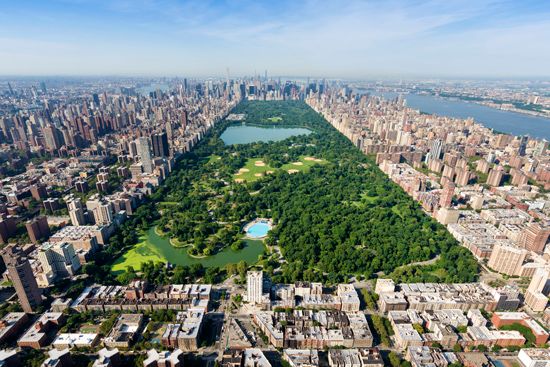
Urban ecosystems are complex environments defined by the interaction of biological and physical components within a city or metropolitan area. Their key components include:12
- Biological Components: These encompass plants, animals, and other life forms. In urban settings, this complex uniquely includes human populations, their demographic characteristics, institutional structures, and social and economic tools.1
- Physical Components: These consist of natural elements such as soil, water, air, climate, and topography, alongside human-made structures like buildings, transportation networks, and modified surfaces (e.g., parking lots and roofs).1
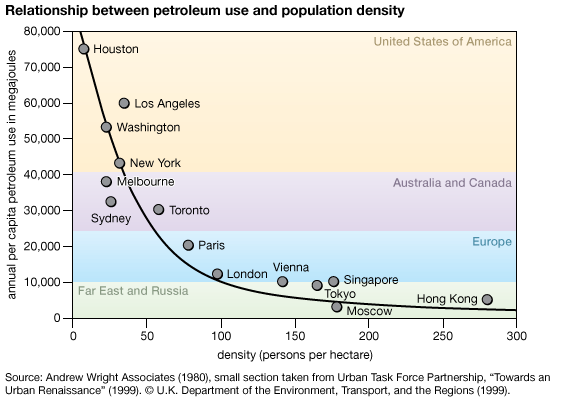
- Energy and Material Flows: Urban ecosystems are characterized by the import, transformation, and export of materials and energy. These processes support human needs like housing and transportation but also generate pollution, waste, and excess heat.1
- Environmental Alterations: Human decision making drives significant changes, such as the conversion of natural biomes into urban land, the creation of impermeable surfaces that increase runoff, and the concentration of contaminants.13
How do urban ecosystems affect biodiversity?
Urban ecosystems significantly alter biodiversity by transforming natural landscapes into human-dominated environments. The expansion of cities leads to the conversion of forests, wetlands, and other biomes into residential, industrial, and commercial areas, which fragments remaining wild habitats into smaller, isolated patches.14
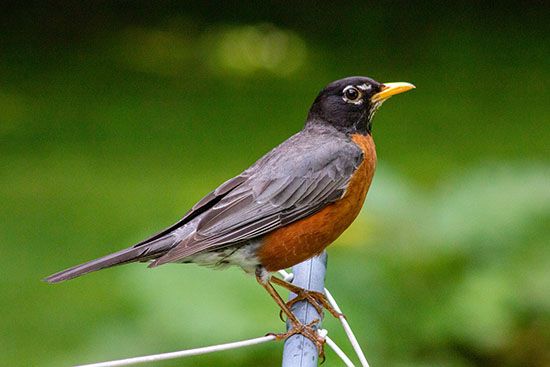
This process creates “edge habitats” that are often suboptimal for native species, particularly specialists that require a narrow range of environmental conditions to survive. Consequently, urban animal communities are frequently dominated by medium-sized generalists—such as raccoons, coyotes, and foxes—that can adapt to diverse conditions and foxes—that can adapt to diverse conditions. Similarly, urban plant and animal life often consist of introduced exotic species that have a long history of association with humans.1
Furthermore, the structural similarities of cities worldwide, combined with the intentional or accidental introduction of similar species, lead to a homogenization of biological communities across different urban areas.1
How do human activities impact urban ecosystems?
Human activities profoundly reshape urban ecosystems, fundamentally altering their physical and biological structures. These impacts occur through several key processes:
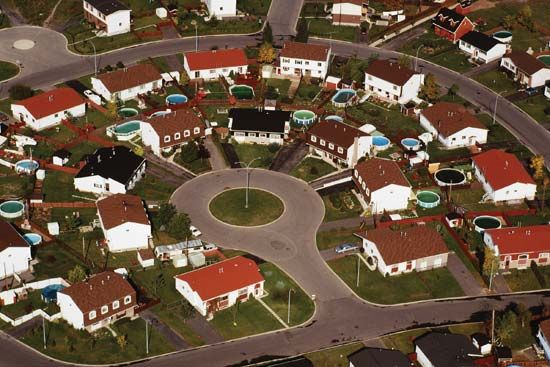
- Habitat Transformation and Fragmentation: The expansion of urban areas converts natural biomes—such as forests and wetlands—into residential, industrial, and commercial zones. This process destroys wildlife habitats and fragments remaining areas into isolated patches, forcing species to navigate dangerous, human-dominated landscapes.18
- Modification of Physical Components: Construction replaces permeable soils and vegetation with impermeable surfaces like roads, roofs, and parking lots. This impedes water absorption, increases surface runoff, and elevates the risk of local flooding. Additionally, urban areas often become “heat islands” because masonry and asphalt absorb and reradiate more solar energy than natural landscapes.183
- Pollution and Waste: Cities concentrate air pollution, water pollution, and solid waste. Fuel combustion for transportation and heating, along with industrial processes, releases pollutants that degrade air quality and contribute to global warming. Inefficient waste management leads to overflowing landfills, which can contaminate groundwater and harbor disease-carrying pests.193810
- Biological Shifts: Urban environments favor generalist species capable of adapting to human-modified conditions, while specialist species often decline. Furthermore, the intentional or accidental introduction of similar species across global cities leads to a homogenization of biological communities.1
What is the importance of urban water systems in urban ecosystems?
Urban water systems are essential components of urban ecosystems, serving both human infrastructure needs and critical ecological functions. These systems encompass the collection, treatment, and distribution of potable water for domestic, industrial, and public use, as well as the management of waterborne wastes.
The importance of these systems within the urban ecosystem includes:
- Public Health and Sanitation: Modern water and sewage systems are vital for preventing the spread of waterborne diseases like typhoid and dysentery, which historically plagued crowded urban centers.11
- Hydrological Regulation: Urban areas often suffer from reduced rainwater infiltration and increased surface runoff due to impermeable surfaces. Effective water management, including the preservation of natural wetlands, helps mitigate flooding, recharge groundwater aquifers, and cleanse polluted waters.121813
- Ecosystem Services: Natural water-related ecosystems act as the “kidneys of the landscape,” providing nutrient cycling, flood protection, and habitat for diverse species. Conversely, when urban water systems fail or are poorly managed, they can lead to cultural eutrophication and the degradation of downstream aquatic environments.8134
Sources
- Urban ecosystem - The structure of urban ecosystems — Encyclopædia Britannica
- Urban ecosystem — Encyclopædia Britannica
- urban sprawl - Environmental costs — Encyclopædia Britannica
- Urban ecosystem: Top Questions — Encyclopædia Britannica
- ecosystem — Encyclopædia Britannica
- Urban ecosystem - Differences in design — Encyclopædia Britannica
- Urban ecosystem - Urban ecology — Encyclopædia Britannica
- urban climate — Encyclopædia Britannica
- urban sprawl: Top Questions — Encyclopædia Britannica
- pollution in India - Waste management issues — Encyclopædia Britannica
- water supply system — Encyclopædia Britannica
- plumbing — Encyclopædia Britannica
- water scarcity - Environmental policy — Encyclopædia Britannica
- water pollution - Domestic sewage — Encyclopædia Britannica
- water supply system - Drinking-water quality — Encyclopædia Britannica
- Wetland - Wetland functions and ecosystem benefits — Encyclopædia Britannica
Published on · 4 min read