Western Himalayas
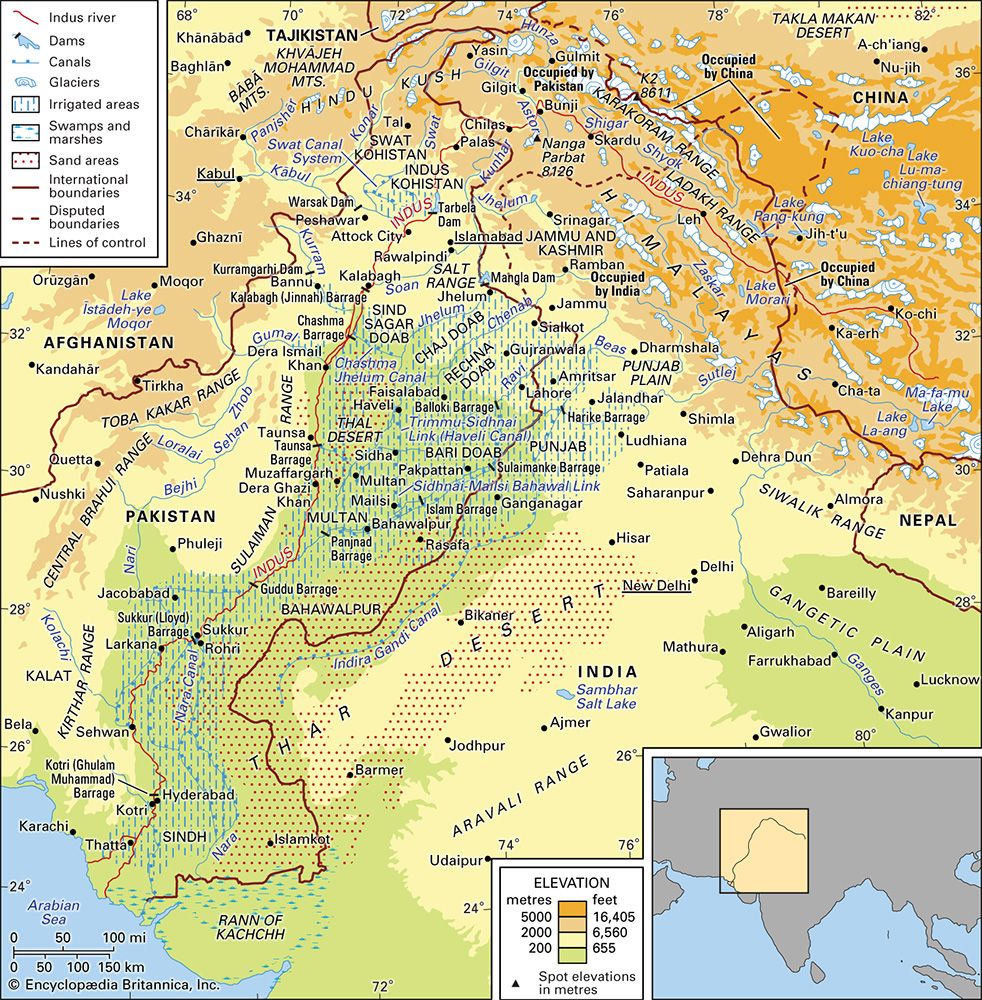
The Western Himalayas are primarily drained by the Indus River system, which includes the Jhelum, Chenab, Ravi, Beas, and Sutlej rivers. These rivers are…
What major rivers originate in the Western Himalayas, and why are they important?
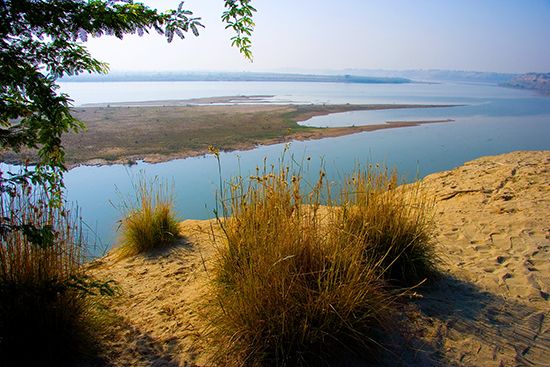
The Western Himalayas are primarily drained by the Indus River system, which includes the Jhelum, Chenab, Ravi, Beas, and Sutlej rivers1. These rivers are essential to the region for several critical reasons:1
- Agriculture and Irrigation: These rivers support the world’s largest canal irrigation system, which has been vital for agriculture since ancient times. They provide the water necessary for cultivating crops such as wheat, rice, and sugarcane in the Punjab and Sindh regions.234
- Hydroelectric Power: The rivers possess significant potential for hydroelectric generation. Major projects, such as the Tarbela Dam on the Indus and the Mangla Dam on the Jhelum, provide substantial electricity to the region.32
- Water Supply: The Indus Waters Treaty of 1960 governs the distribution of these waters between India and Pakistan, highlighting their status as a critical shared resource for millions of people.24
- Glacial Feed: Being snow-fed, these rivers are heavily influenced by Himalayan glaciers, which regulate flow and provide water during warmer months.56
What countries and regions are encompassed by the Western Himalayas?
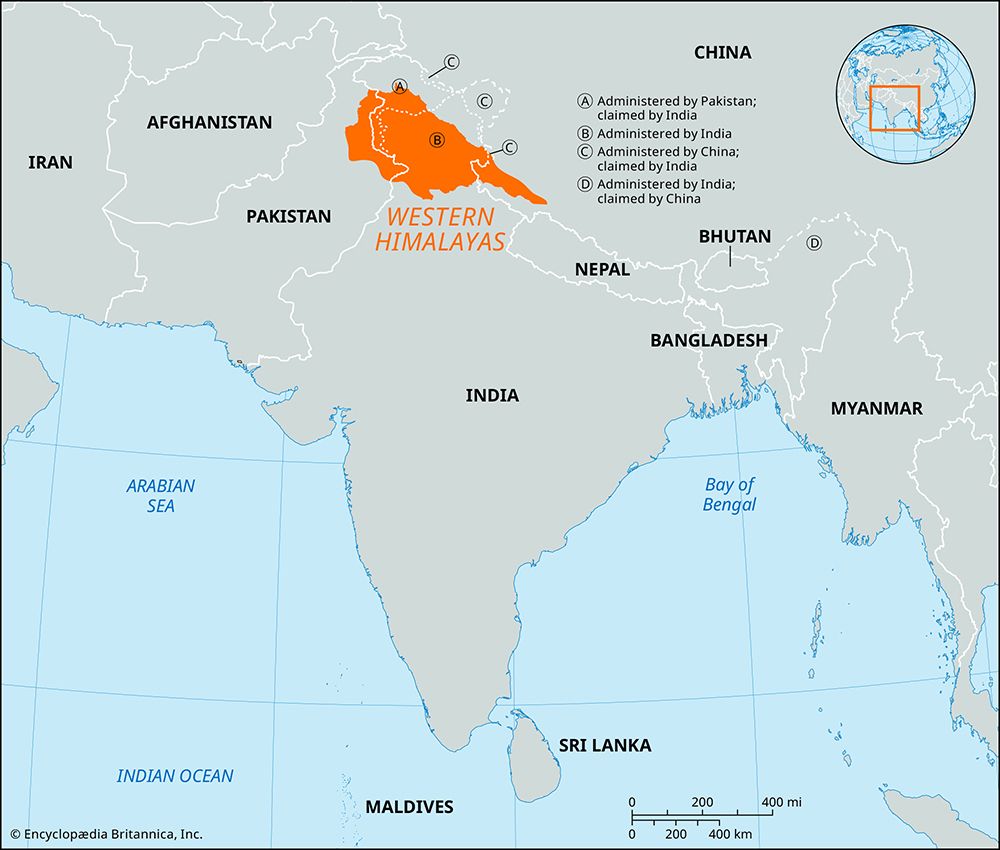
The Western Himalayas represent the westernmost section of the Himalayas mountain range, spanning approximately 350 miles (560 km) between the Indus River and the Sutlej River.2
This region encompasses several key areas:
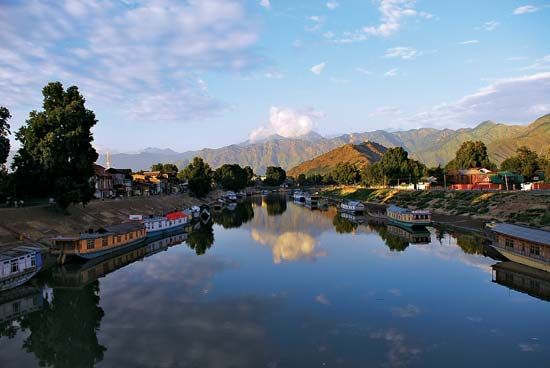
- Kashmir: The region is primarily located within the disputed territory of Kashmir, including sectors administered by both India and Pakistan. This includes the Vale of Kashmir, a significant structural basin ](https://www.britannica.com/place/Vale-of-Kashmir), a significant structural basin.29
- Himachal Pradesh: A substantial portion of the Western Himalayas lies within the Indian state of Himachal Pradesh, which is characterized by deep gorges, forested valleys, and high-altitude terrain.210
- Mountain Ranges: The region includes several distinct ranges, such as the Zanskar Range, the Pir Panjal Range, the Great Himalayas, and parts of the Siwalik Range.29
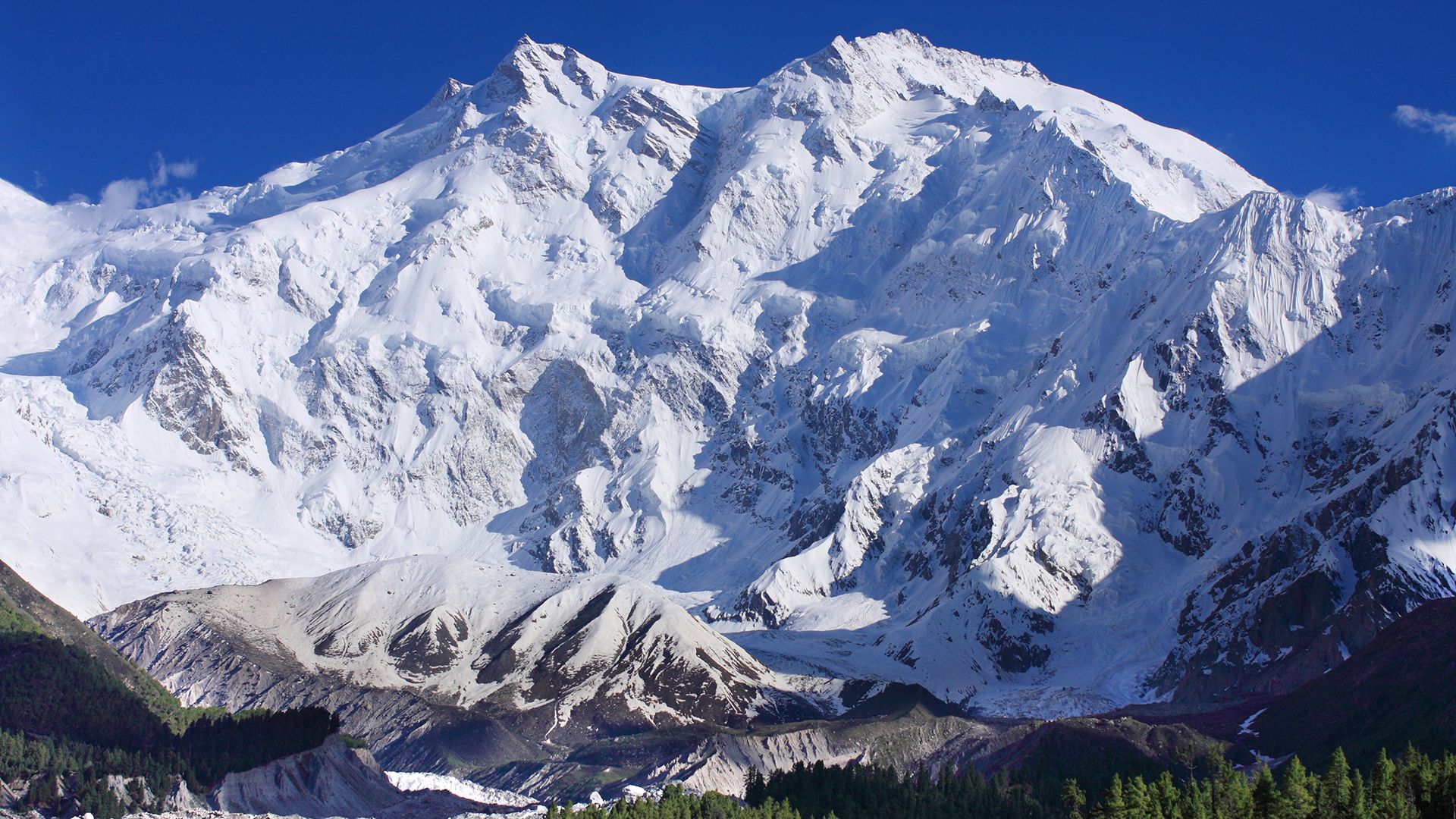
The highest point in this region is Nanga Parbat, reaching an elevation of 26,660 feet (8,126 meters).2
What are the main economic activities in the Western Himalayas, and how do they impact the local environment?
The economy of the Western Himalayas is diverse, relying on a mix of traditional practices and modern industrial development. These activities significantly influence the region’s fragile environment.
Main Economic Activities
- Agriculture and Horticulture: Agriculture is the primary livelihood for many, with productive lands in areas like the Vale of Kashmir and the Kangra valley producing wheat, rice, corn, and millet. The region is also a major hub for fruit orchards, growing apples, peaches, and cherries, alongside walnut and almond trees.4
- Pastoralism and Transhumance: Animal husbandry is widespread, with shepherds practicing transhumance—the seasonal migration of sheep, goats, and yaks between high-altitude summer pastures and lower elevations during winter.411
- Industry and Energy: The region has seen growth in manufacturing, including cement, electronics, and processed foods. Additionally, the rivers are heavily utilized for hydroelectric power, with major projects like the Tehri Dam and Bhakra-Nangal providing electricity and irrigation.11412
- Tourism: Natural beauty has made tourism a vital income source, though it places heavy pressure on limited local resources.412
Environmental Impact
Economic expansion has led to significant ecological stress:
- Deforestation: Rapid population growth has driven deforestation to clear land for agriculture and provide construction materials, triggering environmental degradation on steeper slopes.4
- Infrastructure and Seismic Risks: Large-scale projects like the Tehri Dam have faced opposition due to their impact on fragile ecosystems, displacement of local populations, and concerns regarding seismic stability in a region prone to earthquakes.12
- Pollution and Resource Depletion: Modern agricultural practices, including the overuse of synthetic fertilizers and pesticides, have polluted groundwater. Furthermore, urbanization and infrastructure development have contributed to the rapid recession of glaciers, threatening water security and increasing the frequency of flash floods and landslides.1314
We could dive deeper into the specific conservation efforts or the ongoing debate surrounding sustainable development in the region.
What are some of the most significant peaks in the Western Himalayas, and how tall are they?
The Western Himalayas are home to several significant mountain ranges and peaks, characterized by their dramatic elevation and rugged terrain.
The most prominent peak in the Western Himalayas is Nanga Parbat, which stands at an impressive 26,660 feet (8,126 meters). Located in the Pakistani-administered sector of the Kashmir region, it serves as the northwestern anchor of the entire Himalayan system.152
Beyond individual summits, the region is defined by several major ranges:
- Pir Panjal Range: This range acts as a southern rampart for the Himalayas. While its average crest line is approximately 12,500 feet (3,800 meters), individual peaks within the range rise to about 15,000 feet (4,600 meters).16
- Great Himalayas: As the highest section of the broader Himalayan system, this range maintains an average elevation exceeding 20,000 feet (6,100 meters) and contains many of the world’s tallest peaks.17
- Zanskar Range: This range is also a key component of the Western Himalayan geography.2
Sources
- Himalayas - Drainage of the Himalayas — Encyclopædia Britannica
- Western Himalayas — Encyclopædia Britannica
- Indus River - Physical features — Encyclopædia Britannica
- Himalayas - Resources — Encyclopædia Britannica
- Himalayas: Top Questions — Encyclopædia Britannica
- Indus River - Hydrology of the Indus River — Encyclopædia Britannica
- Indus River - Irrigation of the Indus River — Encyclopædia Britannica
- Thar Desert - Economy — Encyclopædia Britannica
- Himachal Pradesh — Encyclopædia Britannica
- Himalayas - Physiography of the Himalayas — Encyclopædia Britannica
- Tehri Dam — Encyclopædia Britannica
- Himachal Pradesh - Agriculture and manufacturing — Encyclopædia Britannica
- pollution in India - Modern agricultural practices — Encyclopædia Britannica
- Ladakh - Weather and climate change — Encyclopædia Britannica
- Nanga Parbat — Encyclopædia Britannica
- Pir Panjal Range — Encyclopædia Britannica
- Jammu and Kashmir - The Pir Panjal Range — Encyclopædia Britannica
- Great Himalayas — Encyclopædia Britannica
Published on · 4 min read