Thar Desert
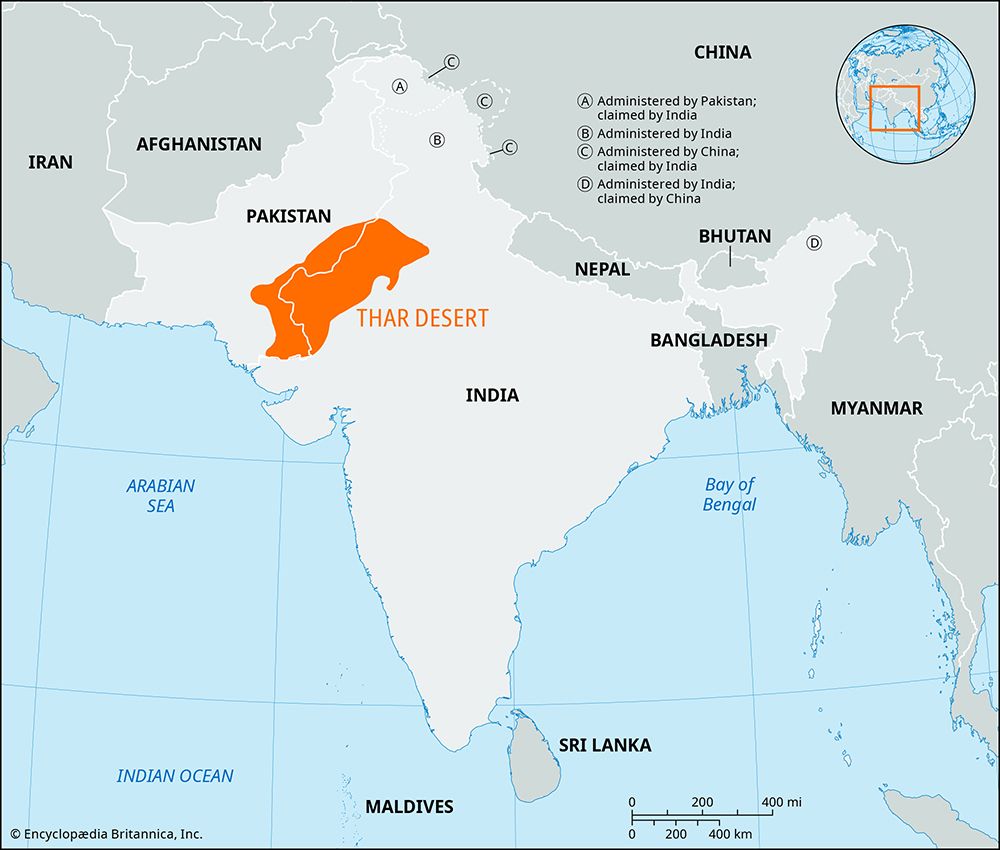
The Thar Desert, also known as the Great Indian Desert, is an arid region characterized by several unique geographical features:
What are the unique geographical features of the Thar Desert?
The Thar Desert, also known as the Great Indian Desert, is an arid region characterized by several unique geographical features:
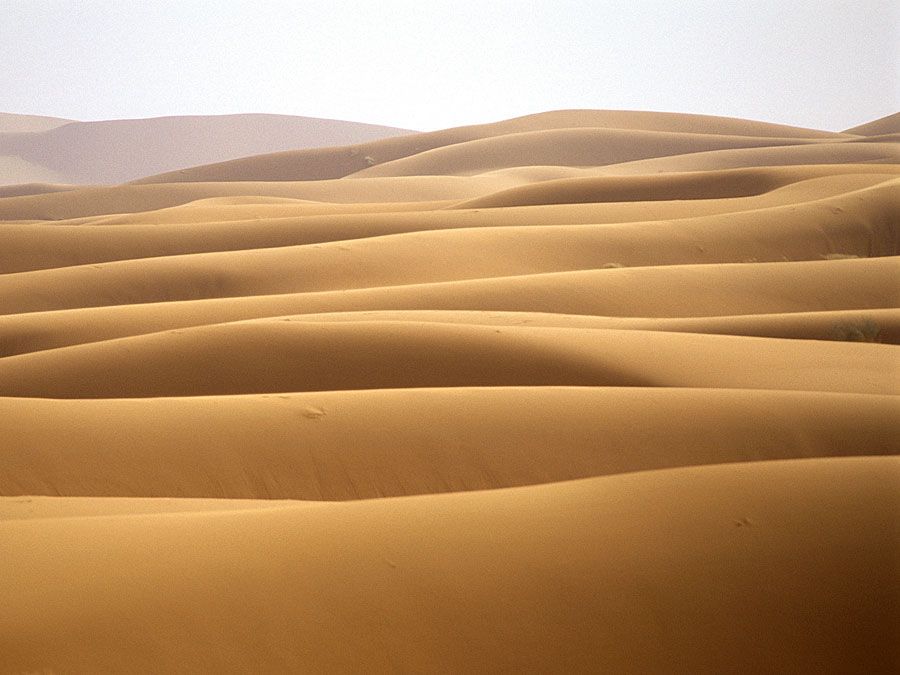
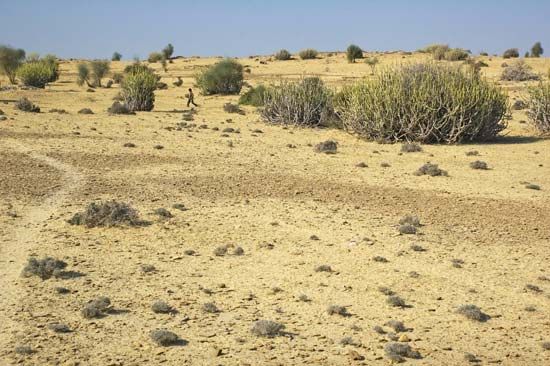
- Surface and Topography: The landscape is an undulating expanse of rolling sand hills and sand dunes that are in continual motion. These are interspersed with sandy plains and low, barren hills known as bhakars that rise abruptly from the surface.1
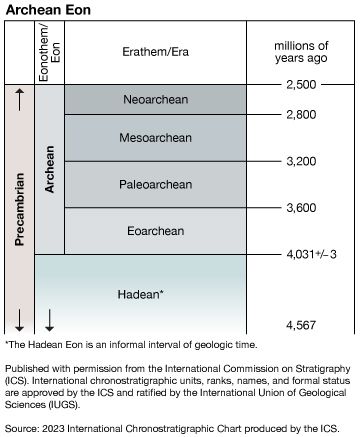
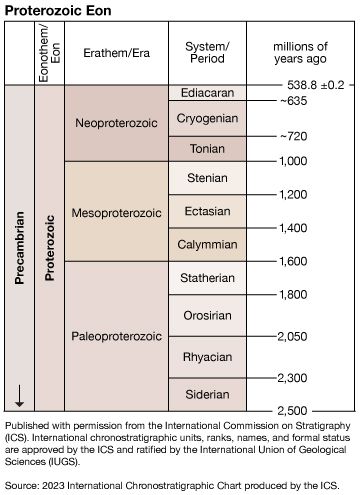
- Geological Foundation: Beneath the aeolian (wind-deposited) sands, which have accumulated over the past 1.8 million years, lie ancient Archean gneiss and Proterozoic sedimentary rocks.1
- Hydrology: The region contains several playas—saline lake beds locally called dhands—scattered throughout the desert. Water is generally scarce, and while some groundwater exists, it is often saline and deep underground.12
- Climate: The desert experiences a subtropical desert climate driven by persistent high pressure. It is marked by extreme temperature fluctuations, ranging from 122 °F (50 °C) in summer to near freezing in winter, and is subject to intense dust storms.31
How do people in the Thar Desert region access and manage water resources?
In the Thar Desert, where water is a scarce and vital resource, inhabitants rely on a combination of traditional collection methods and large-scale infrastructure to manage their needs.
Water Collection and Storage
Because groundwater is often saline and located at inaccessible depths, residents primarily rely on the collection of seasonal rain. This water is captured in tanks and reservoirs for drinking and domestic use. While some productive aquifers have been identified in the central desert, they are not universally available.1
Irrigation and Infrastructure
Large-scale irrigation projects are essential for agriculture, particularly for crops like wheat and cotton. Key systems include:
- Canals: These are the primary sources of water for the region. The Indira Gandhi Canal serves the Indian portion of the desert, drawing water from the Sutlej and Beas rivers.1
- Barrages: The Sukkur Barrage on the Indus River supports irrigation in the southern Pakistani region, while the Harike Barrage feeds the Indira Gandhi Canal.1
- International Agreements: The Indus Water Treaty of 1960 regulates the distribution of river waters between India and Pakistan, ensuring water rights for irrigation in the Thar.1
What are some of the major economic activities in the Thar Desert region?
The economy of the Thar Desert is diverse, shaped by its arid environment and the availability of water. Major economic activities include:
- Animal Husbandry: This is a cornerstone of the desert economy. The region is home to five major breeds of cattle, including the Tharparkar, which is highly valued for milk production, and the Kankre, used as both a milk producer and a beast of burden. Sheep are raised for their wool, and camels are essential for transport and agricultural labor.101
- Agriculture: Where water is accessible—primarily through canals like the Indira Gandhi Canal—farmers cultivate crops such as wheat, cotton, and pearl millet.111
- Natural Resource Utilization: Local grasses provide nutritive pasturage and are used to produce traditional medicines. Additionally, alkaloids are extracted for medicinal purposes, and oils are processed for soap manufacturing.1
- Trade and Crafts: Many nomadic groups engage in animal husbandry, trade, and the production of various crafts, maintaining a symbiotic economic relationship with the sedentary population.10
- Energy Production: While limited to larger towns, thermal power plants fueled by coal and oil contribute to the local economy.1
How does the Thar Desert compare to other famous deserts around the world in terms of size and climate?
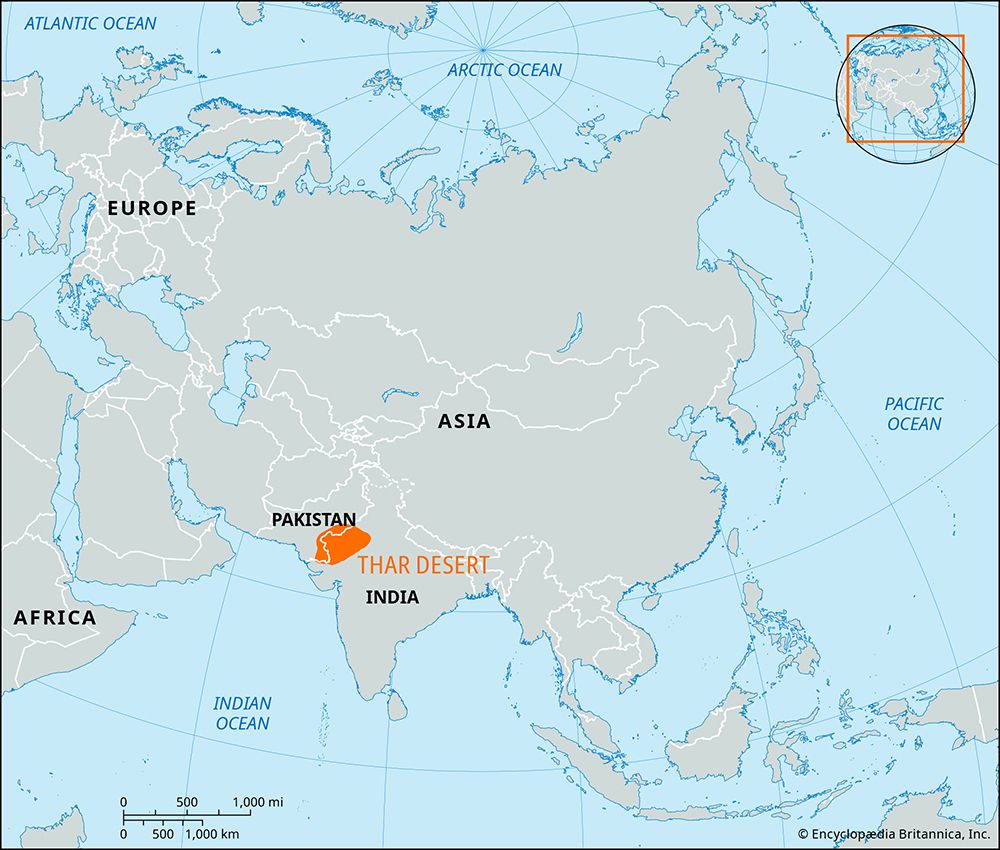
The Thar Desert, also known as the Great Indian Desert, covers approximately 77,000 square miles (200,000 square km). While vast, it is significantly smaller than the world’s largest deserts; for comparison, the Arabian Desert spans about 900,000 square miles (2,300,000 square km), and the Sahara is the largest hot desert on Earth.2157
In terms of climate, the Thar is classified as a subtropical desert, characterized by extreme heat and low, erratic rainfall. Its climate is driven by persistent high pressure and the fact that the southwest monsoon winds often bypass the region. Temperatures can reach 122 °F (50 °C) in the summer, while winter nights frequently see temperatures drop low enough for frost.21617
This contrasts with “cold deserts” like the Gobi Desert, which experiences bitter winters with temperatures plunging below -40 °C (-40 °F) due to its high elevation and inland location. Unlike the Thar, where most precipitation arrives via summer monsoons, the Gobi receives much of its limited moisture as snow.1817
Sources
- Thar Desert - Economy — Encyclopædia Britannica
- Thar Desert — Encyclopædia Britannica
- Thar Desert - Land — Encyclopædia Britannica
- Marusthali — Encyclopædia Britannica
- Takla Makan Desert - Physiography — Encyclopædia Britannica
- Rajasthan - Climate — Encyclopædia Britannica
- Arabian Desert — Encyclopædia Britannica
- Arabian Desert - Geology of the Arabian Desert — Encyclopædia Britannica
- Asia - Groundwater — Encyclopædia Britannica
- Thar Desert - People — Encyclopædia Britannica
- Rajasthan - Agriculture — Encyclopædia Britannica
- Arabian Desert - Resources — Encyclopædia Britannica
- Ladakh - Agriculture — Encyclopædia Britannica
- Indus River - Irrigation of the Indus River — Encyclopædia Britannica
- Thar Desert — Merriam-Webster
- Sahara - Climate of the Sahara — Encyclopædia Britannica
- Why is the Gobi Desert called a cold desert? — Encyclopædia Britannica
- Tropical and subtropical desert climate — Encyclopædia Britannica
Published on · 3 min read