7 Dangerous Plants You Should Never Touch
Many plants have evolved chemical defenses to deter herbivores, which can cause painful reactions in humans upon contact. Here are seven dangerous plants you…
What are 7 Dangerous Plants You Should Never Touch?
Many plants have evolved chemical defenses to deter herbivores, which can cause painful reactions in humans upon contact. Here are seven dangerous plants you should avoid touching:
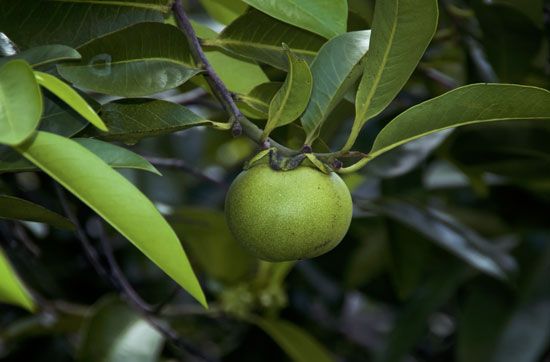
- Manchineel: Found in the Caribbean and parts of the Americas, its milky sap contains phorbol, which causes severe skin blistering. Even raindrops falling through the tree can collect enough toxin to burn the skin.1
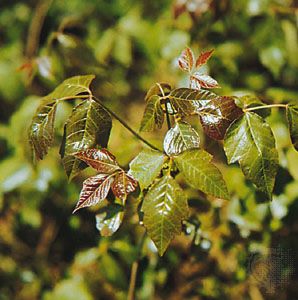
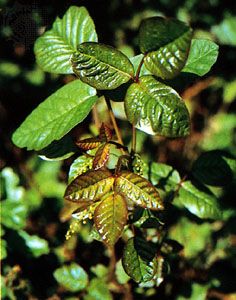
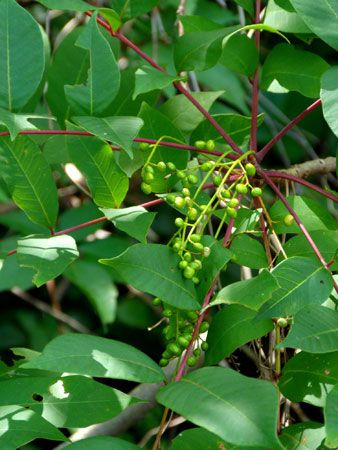
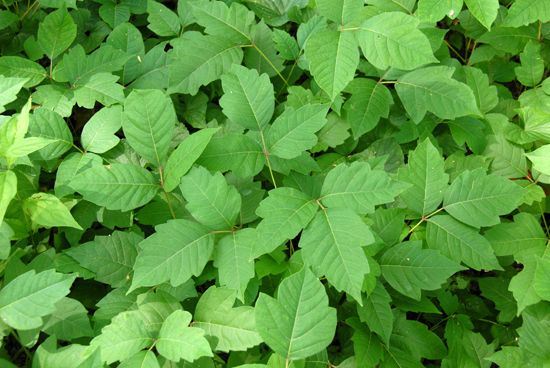
- Poison ivy: Known for its “leaves of three,” this plant and its relatives, poison sumac and poison oak, contain urushiol, which triggers painful, itchy contact dermatitis.1
- Gympie gympie: Native to Australia and Indonesia, this stinging tree is considered one of the world’s most dangerous plants. Its sting causes excruciating, long-lasting pain that can trigger anaphylactic shock.1
- Pain bush: Also called African poison ivy, this shrub exudes a sap that causes a swollen, blistered rash.1
- Hogweed: These plants contain furocoumarins, which cause phytophotodermatitis—a reaction where skin blisters severely when exposed to sunlight.12
- Stinging nettle: Its hairs are tipped with formic acid, which causes a burning, tingling rash upon contact.1
- Tread-softly: This herb is covered in stinging hairs that release irritants, causing intense stinging and itching.1
What is phytophotodermatitis and how does sunlight trigger it?
Phytophotodermatitis is a skin condition characterized by inflammation, redness, and painful, itchy blisters that occur when skin comes into contact with certain plant chemicals and is subsequently exposed to sunlight. The term is derived from phyto (plant), photo (light), and dermatitis (skin inflammation).4
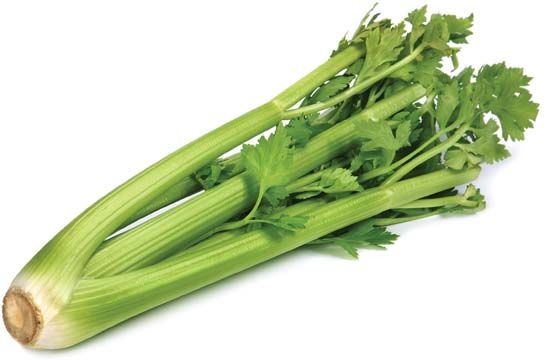
The reaction is triggered by a class of chemical compounds known as furocoumarins (or furanocoumarins), which are found in the sap or juice of various plants, including limes, celery, parsley, and the notorious giant hogweed.4
How Sunlight Triggers the Reaction
While furocoumarins are not inherently harmful in moderate doses, they interfere with the skin’s ability to manage ultraviolet (UV) light exposure. The process works as follows:4
- Contact: Plant sap containing furocoumarins gets onto the skin.4
- Activation: When the affected skin is exposed to UV radiation from the sun, the radiation activates the chemicals.4
- Damage: This activation causes cellular damage that can manifest as severe blisters, swelling, and redness, sometimes resembling second-degree burns.4
Because the reaction requires both the chemical and light, the resulting skin damage often appears in streaks or drip-shaped patterns where the sap originally splashed or ran. In some cases, the injury can leave behind dark patches of skin, known as post-inflammatory hyperpigmentation, which may persist for weeks or months.4
Why do plants evolve to produce such painful chemical defenses?
Plants have evolved to produce painful chemical defenses primarily as a survival strategy against herbivory—the consumption of plant tissues by animals, insects, and pathogens. Because plants are rooted in place and cannot flee from predators, they rely on these “secondary metabolites” to deter consumption, protect against infection, and ensure their survival and reproduction.567
Why Plants Use Chemical Defenses
- Deterrence: Many compounds, such as alkaloids, are bitter or irritating, signaling to potential herbivores that the plant is unpalatable or toxic. This forces predators to learn to avoid the plant or suffer the consequences of ingestion.89
- Targeted Protection: Plants often concentrate these defenses in vulnerable tissues, such as young leaves, which are high in nutrients but lack the structural defenses of mature growth.5
- Coevolutionary Arms Race: Through a process of coevolution, plants and herbivores have engaged in an evolutionary “arms race.” As plants develop more sophisticated chemical defenses, herbivores often evolve counter-mechanisms to tolerate or bypass them, leading to an incredible diversity of over 10,000 unique plant compounds.106
- Pathogen Resistance: Some chemicals, such as furocoumarins, may have originally evolved to ward off fungal attacks, with their ability to cause painful reactions in humans and other animals serving as a secondary benefit.7
These chemical defenses are essential for plant fitness, allowing them to flourish despite constant pressure from the animal kingdom. Would you like to explore more about how humans have repurposed these plant chemicals for medicine and industry?76
How can you safely identify and remove invasive plants like giant hogweed?
Due to the extreme toxicity of giant hogweed, it is strongly advised that you avoid direct contact with the plant entirely. Because all parts of the plant contain furocoumarins, which cause severe blistering and potential blindness upon contact with sap and subsequent exposure to sunlight, attempting to remove it without professional training or specialized equipment is dangerous.131
If you suspect giant hogweed is on your property, consider the following safety precautions:
- Avoid Identification Errors: Giant hogweed is often confused with other plants, such as water hemlock or common hogweed. As a general rule, avoid tall, carrot-like plants with white flower clusters.1
- Do Not Handle: Do not attempt to touch, cut, or weed-whack the plant, as this releases the toxic sap.131
- Seek Professional Help: Because of the high risk of injury, removal should be handled by professionals who wear appropriate protective gear, such as respirators and thick, chemical-resistant clothing.1
- Report Sightings: In many regions where it is considered an invasive species, local environmental or agricultural agencies track its spread. Contact your local extension office or environmental department for guidance on safe management or professional removal services.132
Sources
- 7 Dangerous Plants You Should Never Touch — Encyclopædia Britannica
- giant hogweed — Merriam-Webster
- Can limes burn your skin? — Encyclopædia Britannica
- contact dermatitis — Encyclopædia Britannica
- Eating the rainforest — Encyclopædia Britannica
- Chemoreception - Deterrents and repellents — Encyclopædia Britannica
- Plant Chemicals: Tasty and Terrifying - “Plant Chemicals: Tasty and Terrifying” transcript — Encyclopædia Britannica
- Botanical Barbarity: 9 Plant Defense Mechanisms — Encyclopædia Britannica
- community ecology - Predator-prey interactions — Encyclopædia Britannica
- community ecology - Specialization in grazing — Encyclopædia Britannica
- Chemoreception - Defensive tastes — Encyclopædia Britannica
- Chemoreception - Defensive odors — Encyclopædia Britannica
- hogweed — Encyclopædia Britannica
Published on · 4 min read