Wolf Spider
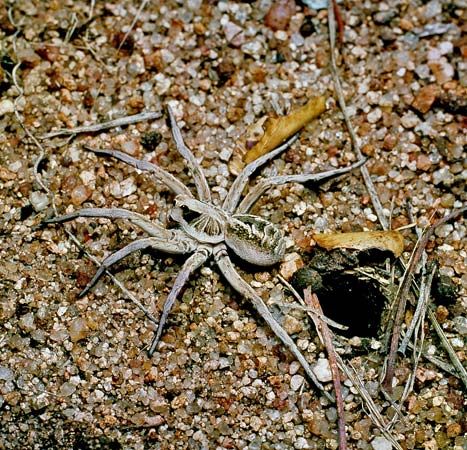
Wolf spiders are a widespread family of spiders found throughout the world, occupying a diverse range of environments.
In what types of habitats can wolf spiders be found around the world?
Wolf spiders are a widespread family of spiders found throughout the world, occupying a diverse range of environments.12
They are commonly found in the following habitats:
- Ground-level cover: They frequently inhabit areas with grass or seek shelter under stones, logs, and leaf litter.12
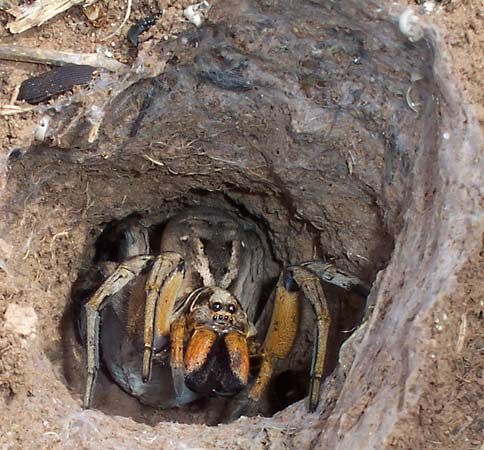
- Burrows: Many species construct silk-lined, tubular nests in the ground, sometimes concealing the entrance with debris or building turretlike structures.12
- Specialized environments: Certain species, such as those in the genus Pirata, are often found near ponds or streams.1
- Extreme climates: Numerous species thrive north of the Arctic Circle, where they serve as important members of tundra ecosystems.12
- Human structures: They may occasionally invade human dwellings that harbor insects.2
While many are active hunters that roam in search of prey, their specific habitat preferences often dictate whether they hunt on the move or wait near their burrows for passing prey.1
What role do wolf spiders play in their ecosystems and are they considered beneficial or harmful to humans?
Wolf spiders play a vital role in their ecosystems as predators that help regulate insect populations. Because they are abundant and active hunters, they serve as a key component of terrestrial food webs, acting as both significant consumers of insects and as a food source for various animals, including birds, lizards, frogs, and other spiders.31
Regarding their relationship with humans, wolf spiders are generally considered beneficial because they help control insect populations, sometimes even entering human dwellings to hunt. While they are venomous and can bite in self-defense if threatened, they are not considered aggressive, and their bite is not medically significant to humans. The bite is often compared to a bee sting, causing localized pain, itchiness, or physical trauma from their large fangs. While some individuals may experience nausea, dizziness, or an elevated heart rate due to an allergic reaction, these instances are not typical. Their startling appearance and speed can be unsettling, but they do not pose a serious threat to human health.14
How do wolf spiders hunt and what types of prey do they typically catch?
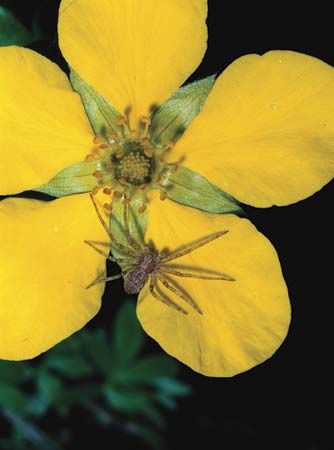
Wolf spiders (family Lycosidae) are named for their wolflike hunting behavior, which involves actively chasing and pouncing upon their prey. Unlike many other spiders that rely on webs to ensnare victims, wolf spiders are primarily cursorial hunters that utilize their keen eyesight and running speed to locate and capture food.512
Their hunting strategies generally fall into two categories:
- Active Hunting: Many species roam in search of prey, using their excellent vision to detect movement and then pouncing on their target.25
- Ambush Hunting: Some species wait near the entrance of their silk-lined, tubular burrows for passing prey to come within range before darting out to capture it.5
While the provided search results do not list specific prey species, they note that wolf spiders are significant predators that consume insects. They are known to frequent areas where insects are abundant, such as grass, leaf litter, and even human dwellings that harbor insect populations.251
What are the key physical characteristics that distinguish wolf spiders from other arachnids?
Wolf spiders are distinguished from other arachnids by several key physical and behavioral characteristics:
- Eye Arrangement: They are easily identified by their eight eyes arranged in three distinct rows: four small eyes in the bottom row, two very large eyes in the middle row, and two small or medium-sized eyes in the top row.1
- Body Structure: Most wolf spiders are small to medium-sized with long, hairy, dark brown bodies and stout, long legs built for running speed. Their jaws are notably strong and prominent.12
- Maternal Adaptations: A unique characteristic of female wolf spiders is how they carry their eggs. They attach a gray silk sac to their spinnerets, appearing to drag a large ball behind them. Once the spiderlings hatch, they ride on the mother’s back for several days or weeks.12
- Hunting Morphology: While some spiders rely on webs, wolf spiders are primarily cursorial hunters. Certain species, such as the burrowing wolf spider (Geolycosa), have evolved heavy front legs specifically adapted for digging their tubular, silk-lined burrows.1
Sources
- wolf spider — Encyclopædia Britannica
- 9 of the World’s Deadliest Spiders - Wolf spider (family Lycosidae) — Encyclopædia Britannica
- spider - Importance — Encyclopædia Britannica
- spider - Venom — Encyclopædia Britannica
- spider - Stalking prey — Encyclopædia Britannica
- nursery-web spider — Encyclopædia Britannica
Published on · 3 min read