9 of the World’s Deadliest Spiders
While there are over 51,500 spider species worldwide, fewer than 30 are considered medically significant to humans, and fatalities from spider bites are…
What are 9 of the World’s Deadliest Spiders?
While there are over 51,500 spider species worldwide, fewer than 30 are considered medically significant to humans, and fatalities from spider bites are extremely rare due to the availability of modern medical treatment and antivenin.1
According to Britannica, the following spiders are among those recognized for their potent venom or potential danger to humans:
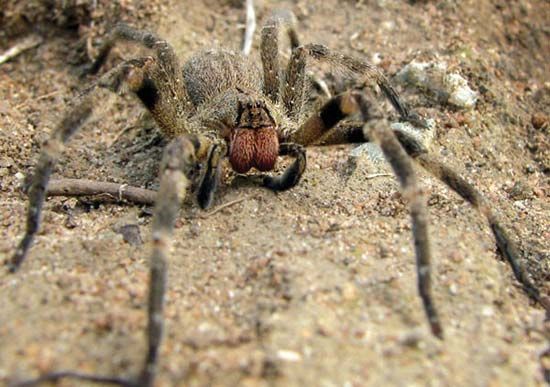
- Brazilian wandering spider (Phoneutria): Often cited as one of the most dangerous, these spiders are known for their aggressive posture and highly potent venom.2
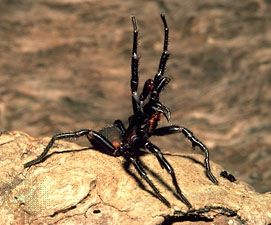
- Sydney funnel-web spider (Atrax robustus): A highly venomous spider from Australia capable of causing severe symptoms and, historically, human fatalities.3
- Northern tree-dwelling funnel-web spider (Hadronyche formidabilis): A medically significant species found in Queensland and New South Wales.3
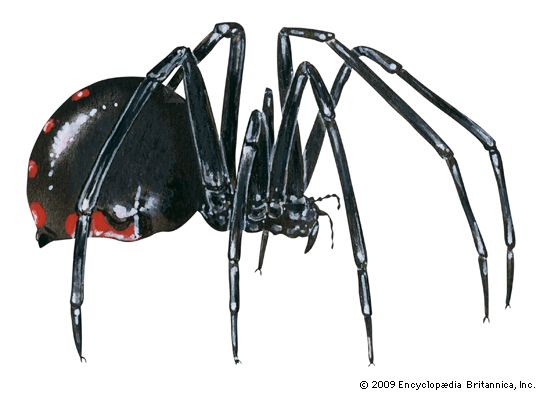
- Black widow (Latrodectus): Known for their neurotoxic venom, which can cause severe pain and muscle spasms.45
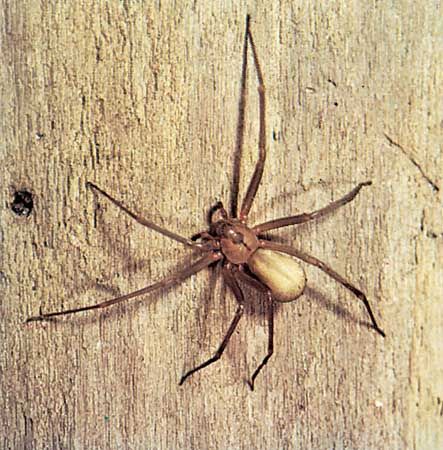
- Brown recluse (Loxosceles reclusa): Notable for venom that causes localized tissue death (necrosis).46
- Chilean recluse (Loxosceles laeta): A larger relative of the brown recluse that causes more severe necrotic lesions.4
- Redback spider (Latrodectus hasselti): A significant venomous spider found in Australia.5
- Katipō (Latrodectus katipo): A venomous species native to New Zealand.5
- European black widow (Latrodectus tredecimguttatus): Also known as the karakurt, found from the Mediterranean to Central Asia.5
How does antivenom work to treat a spider bite?
Antivenin, also known as antivenom, functions as an antitoxin designed to neutralize the effects of venom introduced into the body by a bite or sting.8
When a person is bitten by a medically significant spider, the antivenin acts by binding to the specific toxins present in the venom. By neutralizing these toxins, the treatment prevents them from causing further damage to the body’s systems, such as preventing severe allergic reactions or systemic toxicity. Because spider venom is biologically evolved to target smaller prey, its effects on humans can vary, but the availability of species-specific antivenin in hospitals and poison control centers is the primary reason that fatalities from spider bites remain extremely rare.8
What is the difference between a venomous spider and a poisonous animal?
The primary difference between a venomous spider and a poisonous animal lies in how their toxins are delivered to a victim.9
- Venomous: This term applies to organisms that actively inject toxins into a victim through a specialized apparatus, such as fangs, stings, or spines. Spiders are considered venomous because they use their fangs to inject venom into their prey or as a defense mechanism.61011
- Poisonous: This term applies to organisms that are toxic when ingested or, in some cases, when touched. Poisonous animals, such as many amphibians, carry toxins in their tissues or on their skin that can be harmful if consumed or handled.109
While the terms are often used interchangeably in casual conversation, the distinction is based on the method of delivery: venom is injected, whereas poison is absorbed or ingested. Most spiders are venomous, using their toxins to paralyze or kill prey, though only a small fraction of species possess venom that is medically significant to humans.9611
Why do some spiders build webs while others hunt actively?
While all spiders produce silk, only about half of all species utilize it to construct webs for trapping prey. The decision to build a web or hunt actively is a specialized evolutionary strategy for capturing food.1213
Web-Building Spiders
Web-building spiders rely on instinct to construct elaborate snares, such as orb webs, sheet webs, or funnel-shaped traps. These structures act as passive traps that cover a large area with minimal silk, allowing the spider to capture flying insects that may not see the fine threads. These spiders often use signal threads to detect vibrations caused by struggling prey, allowing them to remain in a retreat or at the hub until a meal is secured.1214
Active Hunting Spiders
Active hunters do not rely on stationary webs to catch food. Instead, they typically possess keen eyesight or a highly developed sense of touch to locate and overpower prey.613
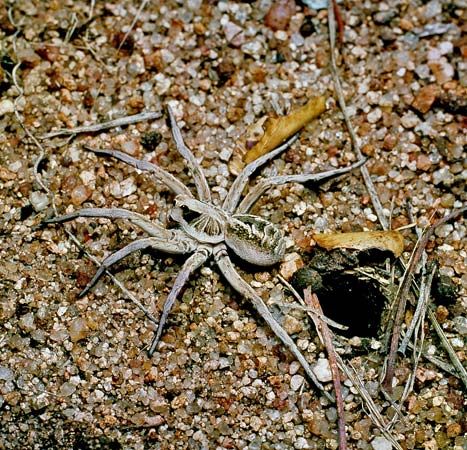
- Stalking: Spiders like jumping spiders and wolf spiders actively chase or pounce on their victims.6
- Ambush: Some hunters use silk in unconventional ways, such as trap-door spiders that dart from silk-lined tubes or bolas spiders that swing a sticky droplet to capture moths.6
- Spitting: Spitting spiders use a unique method of shooting a zigzag stream of sticky material to immobilize prey before biting.6
Sources
- spider - Venom — Encyclopædia Britannica
- Brazilian wandering spider — Merriam-Webster
- Australian funnel-web spider — Encyclopædia Britannica
- black widow — Encyclopædia Britannica
- 9 of the World’s Deadliest Spiders — Encyclopædia Britannica
- spider - Importance — Encyclopædia Britannica
- 9 of the World’s Deadliest Snakes — Encyclopædia Britannica
- antivenin — Merriam-Webster
- Venom — Encyclopædia Britannica
- poison - Animal poisons ( zootoxins ) — Encyclopædia Britannica
- What’s the Difference Between Venomous and Poisonous? — Encyclopædia Britannica
- spider - Spiderwebs — Encyclopædia Britannica
- spider - Stalking prey — Encyclopædia Britannica
- spider — Encyclopædia Britannica
- Reproductive behaviour - Arachnids — Encyclopædia Britannica
- How do spiders make circular webs? — Encyclopædia Britannica
Published on · 4 min read