10 of the World’s Most Dangerous Fish
While many fish are harmless, some species pose significant risks to humans through predatory behavior, venomous defenses, or electrical discharges. Based on…
What are 10 of the World’s Most Dangerous Fish?
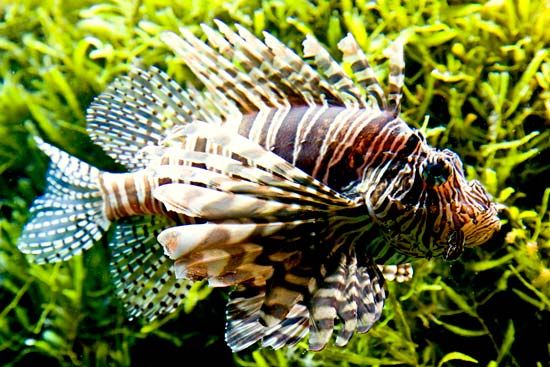
While many fish are harmless, some species pose significant risks to humans through predatory behavior, venomous defenses, or electrical discharges. Based on the provided information, here are 10 of the world’s most dangerous fish:
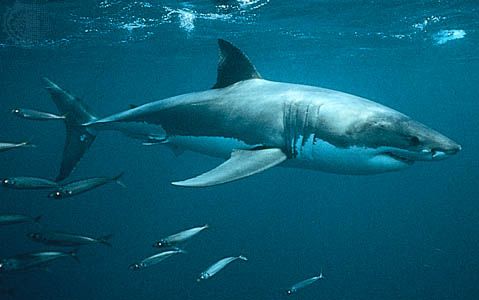
- Great White Shark: Known for its immense bite force, this apex predator is responsible for numerous unprovoked and sometimes fatal attacks on swimmers and surfers.12
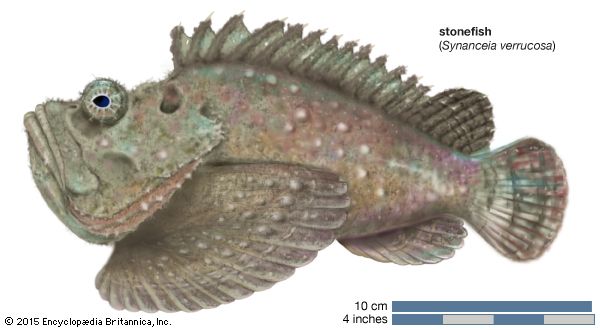
- Stonefish: These sluggish, bottom-dwelling fish are masters of camouflage. They possess venomous dorsal fin spines that can cause intensely painful and sometimes fatal wounds if stepped on.3
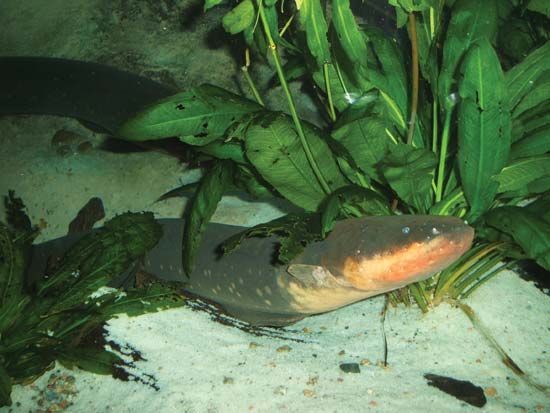
- Electric Eel: Capable of discharging up to 860 volts, these fish use electricity to stun prey and defend themselves, posing a serious shock risk to humans.45
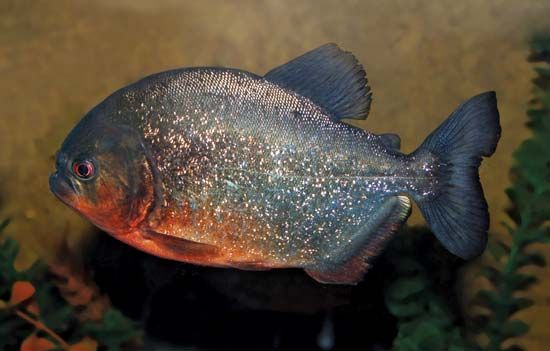
- Red-bellied Piranha: Infamous for their sharp, scissor-like teeth and strong jaws, they are capable of inflicting dangerous bites, though attacks on humans are rare.6
- Barracuda: These voracious predators can reach nearly 2 meters in length and have been known to attack swimmers.7
- Weever Fish: Equipped with venomous dorsal spines and stingers on their gill covers, they can cause extreme pain to those who step on them in shallow water.7
- Electric Stargazer: These fish can discharge up to 50 volts of electricity and possess a venomous spine above their pectoral fins, which has been known to cause human fatalities.7
- Electric Catfish: Along with the electric eel, this species is one of the few fish capable of generating enough voltage to stun humans.8
- Surgeonfish: These fish are armed with venomous spines located on either side of their caudal peduncle, which can inflict painful injuries.7
- Dragonets: Similar to weever fish, these species possess venom-bearing structures that can be dangerous to humans.7
How do venomous fish use their toxins to defend themselves?
Venomous fish primarily utilize their toxins as a defensive mechanism to deter predators or protect themselves from accidental contact with other animals. Unlike snakes or spiders that may use venom to subdue prey, many venomous fish are equipped with specialized anatomical structures designed to deliver these chemical secretions when they are threatened or stepped on.102
These fish typically employ the following methods for toxin delivery:
- Venomous Spines: Many species, such as the stonefish, possess dorsal-fin spines with grooves that act as hypodermic needles to inject venom into a threat.102
- Gill Cover Stingers: Some fish, like the weever, feature sharp, venom-associated spines on their opercular (gill cover) structures, providing an additional layer of defense.1112
- Specialized Positioning: Fish like surgeonfishes carry venomous spines on the sides of their caudal peduncle (the area just before the tail), which can inflict painful injuries if the fish is handled or approached aggressively.11
The venom itself is a complex mixture of proteins and enzymes that can cause intense pain, inflammation, or more severe systemic reactions in those who come into contact with them.1011
What is ciguatera poisoning and how does it affect humans?
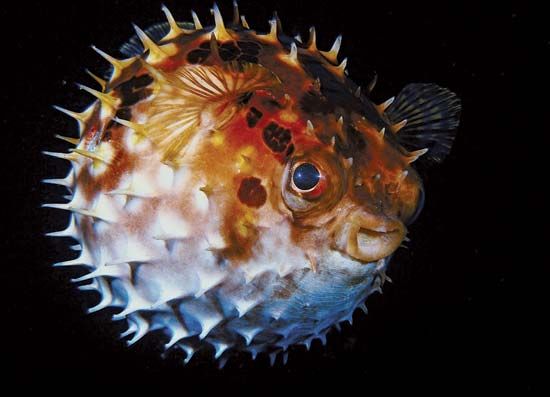
Ciguatera is a form of food poisoning caused by the ingestion of various tropical fish that are typically considered edible, such as sea bass or snapper. These fish become toxic when they accumulate a poisonous substance in their flesh, often produced by certain dinoflagellates.1314
Symptoms and Effects
Symptoms of ciguatera poisoning can appear immediately after consumption or be delayed for up to 30 hours. Common clinical manifestations include:
- Gastrointestinal distress: Nausea, vomiting, and diarrhea.
- Neurological and muscular issues: Weakness, numbness, and muscle pain.
- General discomfort: Intense itchiness.13
While the condition is serious, death is rare, occurring in less than 10 percent of cases. When fatalities do occur, they are typically the result of respiratory paralysis.13
It is important to note that while ciguatera is a significant health concern, it is distinct from other types of fish poisoning, such as scombroid or tetraodon poisoning, which involve different toxins and physiological mechanisms.13
How do camouflage techniques help predatory fish survive?
Predatory fish employ various camouflage techniques to survive by effectively masking their location, identity, and movement, which allows them to ambush prey or avoid being detected by their own predators.15
Key strategies include:
- Background Matching: Many fish blend into their surroundings by mimicking the color and form of their environment. For example, flatfishes can actively adjust their patterns to match the surface upon which they rest.1615
- Disruptive Coloration: This technique uses patterns that do not align with the fish’s body outline, breaking up its shape and making it difficult for observers to identify or track. Some species, like the blenny, change these patterns depending on their background.1715
- Countershading: By having darker pigmentation on the upper body and lighter tones below, fish reduce the appearance of depth and shadows, making them harder to spot. Deepwater fish even use photophores to eliminate their silhouettes against the light from above.1815
- Aggressive Mimicry: Predators may resemble non-threatening objects or even the prey of their intended victims. Anglerfish, for instance, use a specialized, wormlike lure to trick smaller fish into coming within striking range.1920
Sources
- piranha — Encyclopædia Britannica
- perciform - Danger to human life — Encyclopædia Britannica
- stonefish — Encyclopædia Britannica
- 10 of the World’s Most Dangerous Fish - Great White Shark — Encyclopædia Britannica
- 10 of the World’s Most Dangerous Fish - Electric Eel — Encyclopædia Britannica
- electric eel — Encyclopædia Britannica
- How strong is a shark’s bite? — Encyclopædia Britannica
- ostariophysan - Defense — Encyclopædia Britannica
- 10 of the World’s Most Dangerous Fish — Encyclopædia Britannica
- Venom — Encyclopædia Britannica
- 10 of the World’s Most Dangerous Fish - Stonefish — Encyclopædia Britannica
- weever — Encyclopædia Britannica
- fish poisoning — Encyclopædia Britannica
- ciguatera — Merriam-Webster
- coloration - Disruptive coloration — Encyclopædia Britannica
- coloration - Background matching — Encyclopædia Britannica
- aggressive mimicry — Encyclopædia Britannica
- mimicry - Aggressive mimicry — Encyclopædia Britannica
- coloration - Countershading — Encyclopædia Britannica
- concealing coloration — Encyclopædia Britannica
Published on · 4 min read