Alaska Peninsula
The Alaska Peninsula is a significant stretch of land in southwestern Alaska, extending southwest from the mainland and located southwest of Cook Inlet. It…
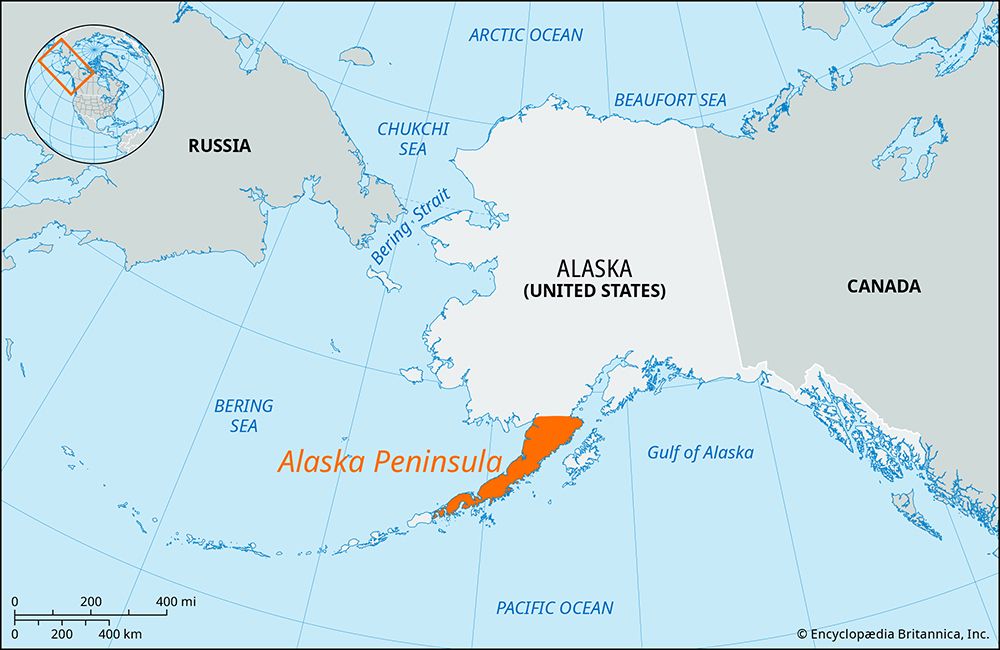
What is the geographical location and extent of the Alaska Peninsula?
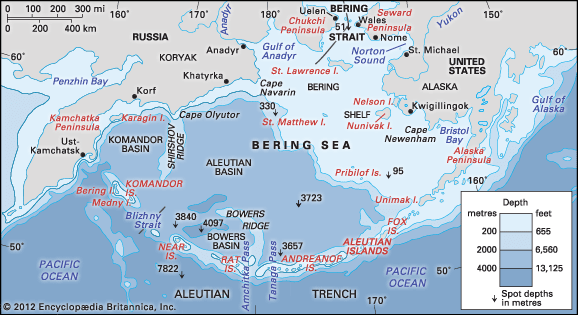
The Alaska Peninsula is a significant stretch of land in southwestern Alaska, extending southwest from the mainland and located southwest of Cook Inlet. It spans approximately 500 miles (800 km) in length, positioned between the Pacific Ocean to the southeast and Bristol Bay, an arm of the Bering Sea, to the northwestering Sea](https://www.britannica.com/place/Bering-Sea), to the northwest.12
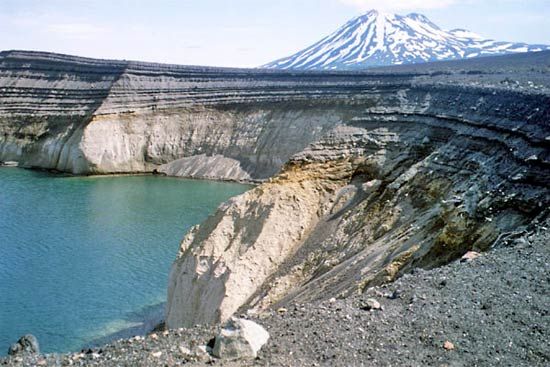
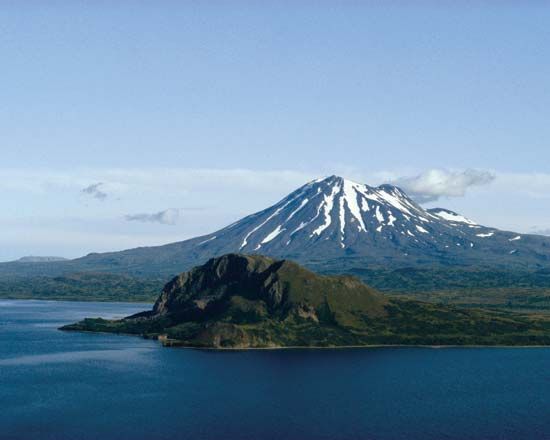
The peninsula is defined by the volcanic Aleutian Range, which runs along its entire length and continues southwestward into the Aleutian Islands. This region is geologically active, featuring numerous volcanoes such as the Pavlof Volcano1. While the area is sparsely populated, it contains several protected regions, including Katmai National Park and Preserve and the Aniakchak National Monument and Preserve.13
What are the major ecosystems and wildlife found on the Alaska Peninsula?
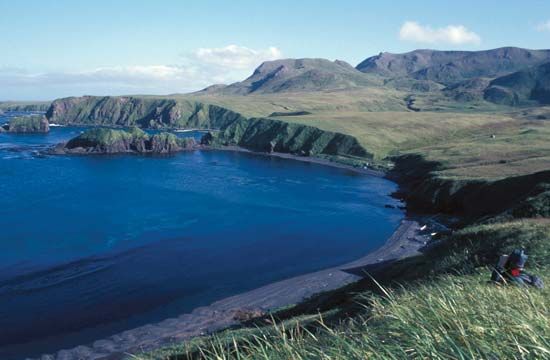
The Alaska Peninsula is characterized by a rugged, volcanic landscape dominated by the Aleutian Range, which supports extensive grasslands and ridge-type tundra at higher elevations. Because of its unique geography and climate, the peninsula serves as a critical habitat for a variety of wildlife, protected within several national parks and wildlife refuges, such as Katmai National Park and Preserve, Aniakchak National Monument and Preserve, and the Becharof National Wildlife Refuge.18
Wildlife
The peninsula is particularly renowned for its large population of brown bears, which are notably concentrated in areas like the McNeil River State Game Sanctuary. Other significant wildlife found across the region include:1
- Large Mammals: Moose are found throughout the peninsula, ranging from lower elevations into higher country. Barren-ground caribou and foxes also traverse the high plateaus and mountain slopes.8
- Species Distribution: Unlike many other parts of the state, black bears are notably absent from the Alaska Peninsula.8
How does the climate of the Alaska Peninsula affect life in the region?
The Alaska Peninsula falls within a transitional climatic zone, which is characterized by relatively small temperature variations, significant cloudiness, and frequent precipitation. This climate is less extreme than the continental conditions found in Alaska’s interior but remains distinct from the fully maritime climate of the southern panhandle.11
The region’s climate profoundly shapes life and environmental conditions in several ways:
- Vegetation and Terrain: The peninsula is dominated by the volcanic Aleutian Range, which supports extensive grasslands and ridge-type tundra. The climate influences the distribution of these plant communities, as snow cover and wind patterns dictate where vegetation can thrive during the short growing season.12
- Wildlife Habitats: The environment provides critical support for large mammals, including brown bears, moose, and caribou. These species have adapted to the peninsula’s rugged, often harsh conditions, which are protected within various national parks and wildlife refuges.913
- Human Activity: Due to the challenging climate and terrain, the peninsula is very sparsely populated, with human settlement largely restricted to small fishing villages that rely on the surrounding marine resources.13
How does the Alaska Peninsula contribute to the fishing industry in the United States?
The Alaska Peninsula plays a vital role in the United States’ commercial fishing industry, serving as a key region for both harvest and processing. The peninsula borders Bristol Bay, an arm of the Bering Sea that is one of the world’s most significant centers for the salmon-packing industry14.14
The region’s contribution to the industry is characterized by several factors:
- Processing Hubs: The city of Unalaska, located near the peninsula, is a major center for fish production. These facilities process a wide variety of species, including halibut, cod, pollack, herring, and various types of crab, such as king, Tanner, and Dungeness.15
- Local Economy: While the peninsula is sparsely populated, its small coastal villages are deeply integrated into the fishing economy, relying on marine resources for both commercial trade and subsistence.1116
- Regulatory Oversight: Fishing activities in the waters surrounding the peninsula are managed through international cooperation and federal regulations, including the 200-mile exclusive economic zone and agreements like the U.S.-Canadian Pacific Salmon Treaty, which help ensure the sustainability of these critical stocks.15
Sources
- Alaska Peninsula — Encyclopædia Britannica
- Aleutian Range — Merriam-Webster
- Alaska Peninsula — Merriam-Webster
- Seward Peninsula — Encyclopædia Britannica
- Aleutian Range — Encyclopædia Britannica
- Alaskan mountains - Physiography of the central ranges — Encyclopædia Britannica
- Alaska — Encyclopædia Britannica
- Arctic National Wildlife Refuge — Encyclopædia Britannica
- Alaska - Plant and animal life — Encyclopædia Britannica
- Alaskan mountains - Plant and animal life — Encyclopædia Britannica
- Alaska - Climate of Alaska — Encyclopædia Britannica
- Alaskan mountains - Climate of the Alaskan mountains — Encyclopædia Britannica
- Polar ecosystem - Development and structure of populations and communities — Encyclopædia Britannica
- Alaska - Agriculture, forestry, and fishing — Encyclopædia Britannica
- Bristol Bay — Encyclopædia Britannica
- Alaska - Economy of Alaska — Encyclopædia Britannica
- Alaska - Settlement patterns — Encyclopædia Britannica
- Alaska blackfish — Encyclopædia Britannica
Published on · 3 min read