Ani
Birds exhibit a remarkable array of courtship and mating behaviors, ranging from complex social dances to the construction of elaborate structures.
What are some of the most diverse and unusual courtship and mating behaviors observed in birds?
Birds exhibit a remarkable array of courtship and mating behaviors, ranging from complex social dances to the construction of elaborate structures.
Elaborate Displays and Structures
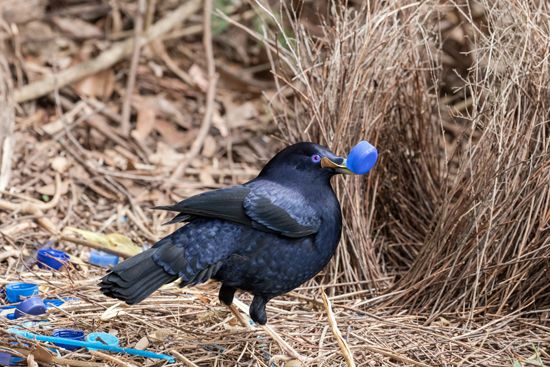
- Bowerbirds: Males of this family build and decorate intricate structures called bowers to attract females. These range from “avenues” of sticks to “gardens” of moss and flowers, sometimes using tools like a paint made of saliva and charcoal.1
- Lekking Species: In many species, such as grouse and birds of paradise, males gather in communal areas called leks to perform competitive displays, including strutting, posturing, and vocalizing, while females observe and select a mate.23
- Cranes: These birds are known for their “dances,” which involve formal steps, bowing, and leaping into the air, often while tossing objects like sticks or grass.4
Unusual Mating Strategies
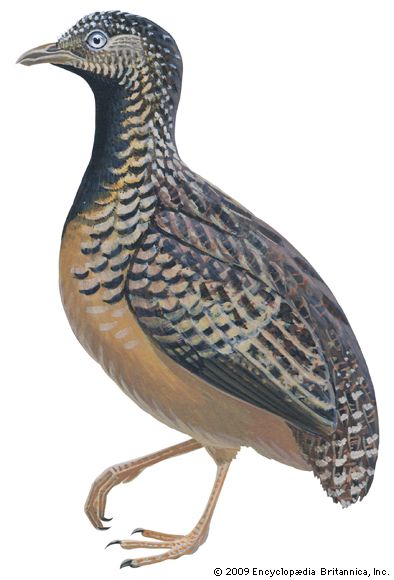
- Sex-Role Reversal: In species like phalaropes and button quails, females are more brightly colored and aggressive, taking the lead in courtship and territorial defense, while males handle incubation.24
- Paternity Protection: Some birds employ unique methods to ensure paternity. For example, male dunnocks peck at a female’s cloaca to induce her to eject the sperm of previous mates before they copulate.5
What are the key characteristics that define birds as a class of animals?
Birds are a distinct class of vertebrates defined by several unique biological and structural characteristics. The most defining feature of birds is the presence of feathers, which are made of keratin and serve functions ranging from flight and insulation to sensory perception.67
Key characteristics that define birds include:
- Anatomy: Birds possess forelimbs modified into wings and a skeleton notable for its strength and lightness, often featuring pneumatic (air-filled) bones. They lack teeth, instead utilizing a muscular gizzard for digestion.689
- Physiology: As homeothermic (warm-blooded) animals, they maintain a high body temperature and possess a four-chambered heart that ensures complete separation of pulmonary and systemic circulation.69
- Reproduction: All birds reproduce by laying hard-shelled eggs. They possess a cloaca, a single chamber for digestive, metabolic, and reproductive waste.619
- Sensory Traits: Birds generally have keen vision, though their sense of smell is typically not highly developed.6
While they share some traits with reptiles—to which they are closely related—these specific adaptations allow birds to thrive in diverse environments.69
What are some unique adaptations in birds’ respiratory and skeletal systems that enable flight?
Birds possess highly specialized respiratory and skeletal systems that support the intense metabolic demands and physical stresses of flight.
Respiratory Adaptations
Birds maintain a high rate of gas exchange through a unique, unidirectional respiratory system that is significantly more efficient than that of mammals.11
- Air Sacs: The lungs are connected to a system of voluminous air sacs that act as bellows. This arrangement ensures that the lungs, which maintain a constant volume, are continuously ventilated with fresh air during both inspiration and expiration.11
- Gas Exchange: Air flows through tertiary bronchi into fine air capillaries, where gas exchange occurs with blood capillaries. This unidirectional flow is synchronized with wing motion, with peak expiration occurring during the downstroke.11
Skeletal Adaptations
The avian skeleton is characterized by a balance of strength and lightness, achieved through fusion and pneumatization.7
- Pneumatization: Many bones are hollow and air-filled, with the cavity of the humerus directly connected to the air-sac system. These bones are often reinforced with internal bony struts to withstand flight stress.7
- Structural Fusion: Elements such as the synsacrum (fused vertebrae) and the carpometacarpus (fused hand bones) provide a rigid frame for flight.7
- Flight Muscle Attachment: The sternum features a prominent median keel, which serves as the primary attachment site for powerful flight muscles.7
What role do birds play in various ecosystems as pollinators and seed dispersers?
Birds play a vital role in maintaining ecosystem health and plant diversity by acting as essential pollinators and seed dispersers.1213
Pollination
In many tropical and southern temperate regions, birds are as significant as insects in facilitating plant reproduction. Approximately 2,000 bird species—including hummingbirds, sunbirds, and honeyeaters—regularly visit flowers to feed on nectar and pollen. These plants have evolved specific adaptations to attract birds, such as:13
- Visual Cues: Bird-pollinated flowers are often brightly colored, particularly in shades of red, which is highly visible to birds.121413
- Structure: Flowers are typically tubular and sturdy, often featuring a landing platform or specific positioning that forces the bird to contact the reproductive parts of the flower while feeding.1413
- Nectar: Because birds have high metabolic rates, these flowers produce copious amounts of nectar.13
Seed Dispersal
Birds contribute to plant distribution by transporting seeds away from parent plants, which reduces competition and helps species expand their range.1215
- Ingestion: Many birds, such as pigeons, toucans, and hornbills, consume fleshy fruits and later excrete or regurgitate the seeds intact.121615
- Caching: Nut-eating birds like nutcrackers, jays, and woodpeckers often hide seeds or nuts for later consumption. When these birds forget their caches or drop seeds during transport, they inadvertently plant them in new locations.1615
- External Transport: While less common, some birds transport sticky seeds or mud containing small seeds on their feathers or feet, facilitating dispersal to distant areas.1615
Sources
- Reproductive behaviour - Birds — Encyclopædia Britannica
- Animal social behavior - Social interactions involving sex — Encyclopædia Britannica
- Galliform - Courtship and mating — Encyclopædia Britannica
- Bowerbird — Encyclopædia Britannica
- Gruiform - Courtship — Encyclopædia Britannica
- Bird: Top Questions — Encyclopædia Britannica
- Bird - Skeleton — Encyclopædia Britannica
- Bird - Feathers — Encyclopædia Britannica
- Bird - Muscles and organs — Encyclopædia Britannica
- Bird - Distinguishing taxonomic features — Encyclopædia Britannica
- Respiratory system - Birds — Encyclopædia Britannica
- Tropical rainforest - Relationships between the flora and fauna — Encyclopædia Britannica
- orchid - Bird pollination — Encyclopædia Britannica
- seed - Dispersal by birds — Encyclopædia Britannica
- pollination - Birds — Encyclopædia Britannica
- seed dispersal - Birds — Encyclopædia Britannica
Published on · 4 min read