Apure River
The Apure River is a major river located in western Venezuela. It serves as a primary navigable tributary of the Orinoco River.
What is Apure River?
The Apure River is a major river located in western Venezuela. It serves as a primary navigable tributary of the Orinoco River1.1
Originating in the Cordillera de Mérida, the river flows for approximately 510 miles (820 km) in an eastward direction through the Llanos, which is the country’s most significant cattle-raising region. Its main tributaries, such as the Portuguesa and the Guárico, primarily flow from the north.2
While the river was historically vital for transportation, particularly during the rainy season when it is navigable for small boats between San Fernando de Apure and other points, its role in commerce has declined significantly since 1957 due to the development of highway infrastructure connecting the region to the north.2
What are the Llanos and why are they important?
The Llanos are vast, treeless grasslands covering approximately 220,000 square miles (570,000 square km) across western Venezuela and northeastern Colombia. Situated between the Andes Mountains to the north and west and the Orinoco River basin to the east and south, this region is characterized by low elevations and a tropical climate with distinct wet and dry seasons.3
The region is of significant economic and ecological importance:
- Agriculture and Livestock: Since the Spanish colonial era, cattle raising has been the mainstay of the Llanos economy. It remains a primary region for beef cattle production in both Colombia and Venezuela.34
- Energy Resources: The economic value of the Venezuelan Llanos has been substantially increased by the presence of major oil fields, particularly near El Tigre and Barinas.3
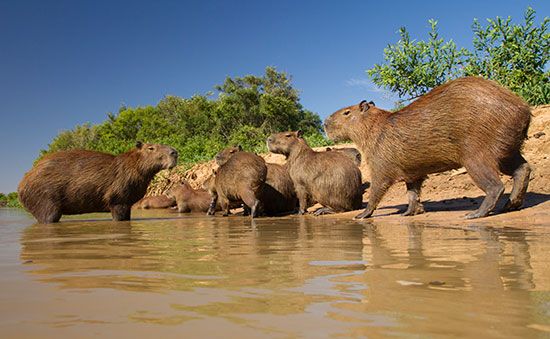
- Biodiversity: The area supports a diverse range of wildlife, including jaguars, tapirs, anteaters, and the capybara, the world’s largest rodent. These animals often inhabit the gallery forests along the rivers that drain the plains.3
How does the Orinoco River influence the region?
The Orinoco River is a fundamental force in South America, shaping the geography, economy, and ecology of the region through which it flows. Its influence is primarily exerted in the following ways:
Hydrological and Geographical Impact
The river’s seasonal cycle dictates the landscape of the Llanos. During the rainy season (April to October), the river and its tributaries frequently overflow, converting vast lowlands into inland lakes and swamps. This cycle of saturation and dehydration has significantly influenced soil development, often resulting in infertile, acidic conditions across the plains.567
Economic Significance
- Transportation: The river system has historically served as a vital waterway for the interior. While small boats remain essential for communication during the rainy season, dredging has enabled large oceangoing vessels to navigate the lower Orinoco to access iron ore deposits in the Guiana Highlands.8
- Industrialization: Since the 1930s, the basin has transformed into one of South America’s most industrialized areas, supported by infrastructure like the Angostura Bridge and the Guri Dam.9810
Ecological Diversity
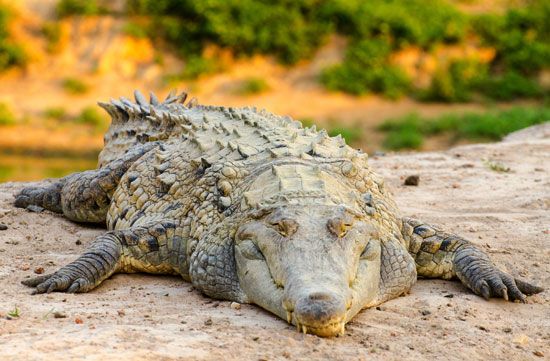
The river basin supports immense biodiversity, including over 1,000 bird species and diverse aquatic life such as the Orinoco crocodile and the capybara. The gallery forests along its banks provide critical habitats for many of the region’s mammals.11
What kind of wildlife lives in the Apure River basin?
The Apure River is a major tributary of the Orinoco River that flows through the heart of the Llanos plains in western Venezuela. Because the Apure is an integral part of the Orinoco basin, it shares the same rich and diverse wildlife found throughout the broader region.621
Aquatic Life
The river system is home to a wide variety of aquatic species, including:
- Reptiles: The critically endangered Orinoco crocodile, which can reach lengths of over 20 feet, as well as various caimans and boa constrictors.1
- Fish: The waters contain numerous species, such as the carnivorous piranha, the electric eel, and the laulao, a catfish that can exceed 200 pounds.1
- Turtles: The arrau, or side-necked turtle, is known to nest on the sandy islands of the river.1
Terrestrial Wildlife
While many mammals inhabit the gallery forests along the riverbanks, they frequently venture into the surrounding grasslands to feed. Notable species include:
Sources
- Apure River — Encyclopædia Britannica
- Apure — Merriam-Webster
- Llanos — Encyclopædia Britannica
- Colombia - Agriculture, forestry, and fishing — Encyclopædia Britannica
- Orinoco River — Encyclopædia Britannica
- Orinoco River - Animal life — Encyclopædia Britannica
- Orinoco River - Physiography of the Orinoco Llanos — Encyclopædia Britannica
- Orinoco River - Transportation — Encyclopædia Britannica
- Orinoco River - Physiography of the Orinoco — Encyclopædia Britannica
- Orinoco River - Hydrology — Encyclopædia Britannica
- Orinoco River - History of exploration — Encyclopædia Britannica
- Orinoco River - Climate of the Orinoco River — Encyclopædia Britannica
Published on · 3 min read