Beach Pea
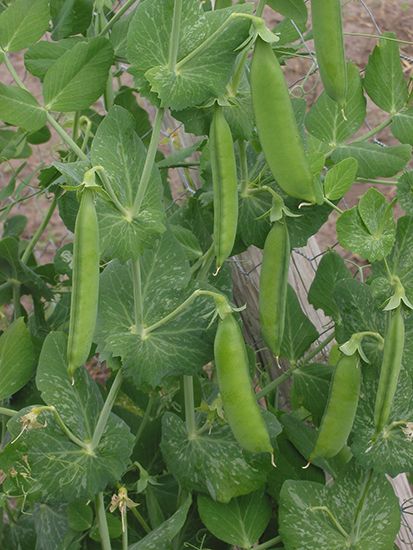
The beach pea (Lathyrus japonicus) is a sprawling perennial plant belonging to the Fabaceae family. It is commonly found in sandy and gravelly coastal…
What is beach pea?
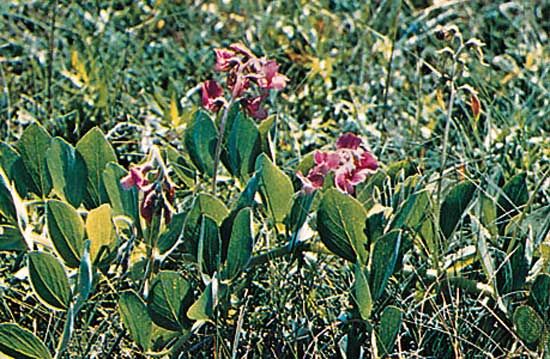
The beach pea (Lathyrus japonicus) is a sprawling perennial plant belonging to the Fabaceae family. It is commonly found in sandy and gravelly coastal regions throughout the North Temperate Zone.12
The plant features low, prostrate stems that grow 30–60 cm long and can spread through rhizomes. Its waxy leaves consist of 6 to 12 leaflets, and it produces purplish-blue flowers during the summer. These flowers develop into hairy pods containing seeds capable of surviving in salt water for several years.1
It is important to note that consuming large quantities of beach pea seeds, like those of other Lathyrus species, can lead to a form of paralysis known as lathyrism.1
How do rhizomes help plants survive in harsh coastal environments?
Rhizomes are horizontal, underground plant stems that provide several critical advantages for survival in harsh coastal environments:
- Perennation and Storage: Rhizomes serve as vital organs for storing starches and proteins. This allows plants to remain dormant underground during unfavorable seasons, ensuring they can survive and regrow when conditions improve.34
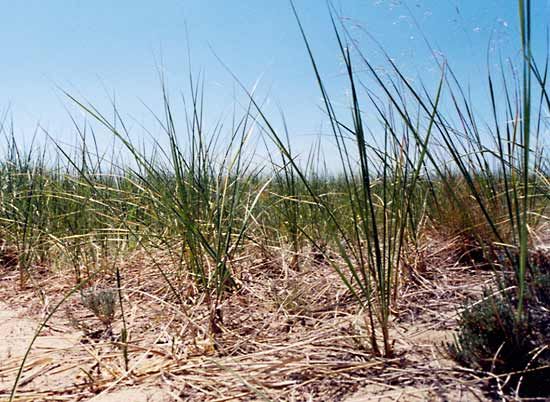
- Stabilization: In shifting environments like sand dunes, plants such as marram grass utilize underground stems to form a dense, stabilizing web. This network holds the sand in place, preventing erosion and allowing the soil to stabilize so the plant can thrive in windy, unstable conditions.5
- Asexual Propagation: Rhizomes enable plants to reproduce vegetatively. By spreading horizontally beneath the surface, they allow a parent plant to produce new shoot and root systems, facilitating the colonization of coastal areas even when conditions for seed germination may be difficult.34
These modifications are essential for many herbaceous plants to persist in environments characterized by shifting substrates and fluctuating environmental stressors.4
What is lathyrism and why does it occur?
Lathyrism is a neurotoxic disorder that primarily affects humans and domestic animals, such as cows and horses. It is characterized by irreversible spastic paralysis, typically affecting the lower or hind limbs.9
The condition occurs due to poisoning from specific amino acids found in the seeds of certain legumes, particularly those in the genus Lathyrus, such as the grass pea (Lathyrus sativus). Specifically, the ingestion of the toxic principle beta-aminopropionitrile found in these plants can lead to symptoms including back pain, weakness in the legs, and paralysis. In some cases, the condition has been fatal, particularly in children.910
How do seeds travel across oceans to reach new shores?
Seeds travel across oceans through a process known as hydrochory, where ocean currents act as the primary transport mechanism, moving seeds across vast distances. To survive this journey, these seeds have evolved specific adaptations:511
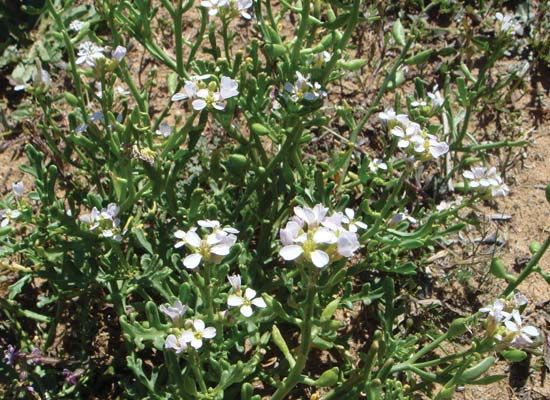
- Buoyancy: Many marine and coastal plants, such as mangroves, sea kale, and sea rocket, produce seeds or fruits that are naturally buoyant due to corky or air-filled tissues. The coconut palm, for instance, utilizes a fibrous mesocarp that allows it to float effectively.512
- Salt Tolerance and Durability: To remain viable after prolonged exposure to saltwater, many water-dispersed seeds possess highly resistant outer coats. Some species, such as Guilandina bonduc, can tolerate immersion in saltwater for years, which contributes to their widespread distribution.13
- Establishment: Once ashore, these seeds are often equipped to germinate in challenging environments. The coconut’s mesocarp, for example, helps collect rainwater for the seedling, while its endosperm provides necessary nutrients for establishment on beaches where fresh water may be scarce.512
Sources
- beach pea — Encyclopædia Britannica
- beach pea — Merriam-Webster
- Rhizome — Encyclopædia Britannica
- Plant - Stems — Encyclopædia Britannica
- Seed dispersal - Hydrochory: dispersal by water — Encyclopædia Britannica
- Salt marsh — Encyclopædia Britannica
- 11 Questions About Useful Plants Answered - Why do people plant marram grass on sand dunes? — Encyclopædia Britannica
- Wetland - Salt marshes — Encyclopædia Britannica
- lathyrism — Merriam-Webster
- poison - Plant poisons (phytotoxins) — Encyclopædia Britannica
- Seed - Dispersal by water — Encyclopædia Britannica
- Seed - Dormancy and life span of seeds — Encyclopædia Britannica
- How Do Ocean Currents Affect the Biosphere? — Encyclopædia Britannica
- Seed - Role of the seed coat — Encyclopædia Britannica
Published on · 3 min read