Cornwallis Island
Cornwallis Island is a Canadian island located in the Arctic Ocean within the Baffin region of Nunavut. Part of the Parry Islands, it spans approximately…
What is Cornwallis Island?
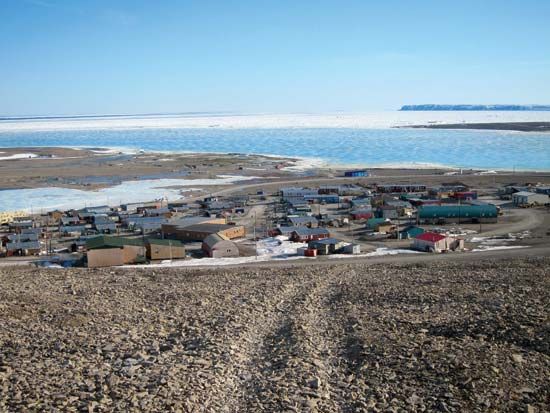
Cornwallis Island is a Canadian island located in the Arctic Ocean within the Baffin region of Nunavut. Part of the Parry Islands, it spans approximately 2,701 square miles (6,995 square km) and is situated north of the Barrow Strait between Devon and Bathurst islands.1
The island is characterized by relatively flat terrain, reaching a maximum elevation of 1,350 feet (411 metres) on its east coast. Its primary settlement, Resolute (Qausuittuq), serves as a vital High Arctic hub for air transportation. Discovered in 1819 by Sir William Parry, the island was named in honor of Sir William Cornwallis.1
What is the significance of the Parry Islands?
The Parry Islands are a significant archipelago within the Queen Elizabeth Islands in the Canadian Arctic, spanning parts of Nunavut and the Northwest Territories.23
The archipelago is notable for its geographical scale and ecological importance:
- Major Landmasses: The group includes large islands such as Devon, Cornwallis, Bathurst, Melville, and Prince Patrick.2
- Natural Resources and Wildlife: Melville Island contains significant natural-gas deposits and supports populations of musk-oxen. Bathurst Island hosts the Polar Bear Pass National Wildlife Area, which has served as a center for wildlife research since 1968.45
- Exploration History: Discovered in 1819 by the British explorer Sir William Parry, the islands serve as a testament to the era of Arctic maritime exploration.45
How does the climate affect life in the High Arctic?
The climate of the High Arctic profoundly shapes both the natural environment and the lives of its inhabitants. Characterized by extreme cold, limited solar energy, and long, harsh winters, the region’s climate dictates the biological and social rhythms of the North.6
Environmental Impact
The Arctic climate is defined by its polar characteristics, including temperature inversions and significant seasonal variations. In the High Arctic, the short summer season limits the time available for plant growth and insect activity, resulting in relatively simple ecosystems with low species diversity.67
- Permafrost and Carbon: A critical feature of the landscape is permafrost, which stores vast amounts of carbon. Climate change, which has caused Arctic temperatures to rise significantly faster than the global average, threatens to thaw this ground, potentially releasing greenhouse gases like methane and carbon dioxide into the atmosphere.8
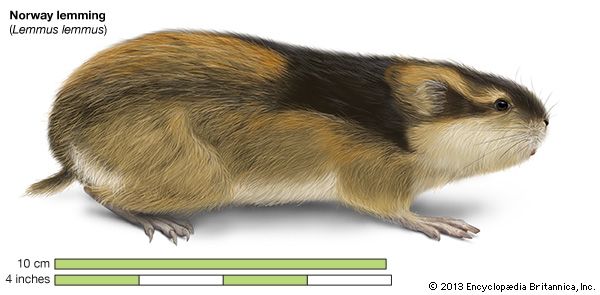
- Snow Dynamics: Snow acts as both a protective layer for plants and a vital resource for animals. Strong winds redistribute snow, creating drifts that influence where vegetation grows and how animals, such as lemmings and large herbivores, navigate the landscape to find food.7
Impact on Life
The extreme environment has necessitated unique adaptations among both wildlife and the Inuit:
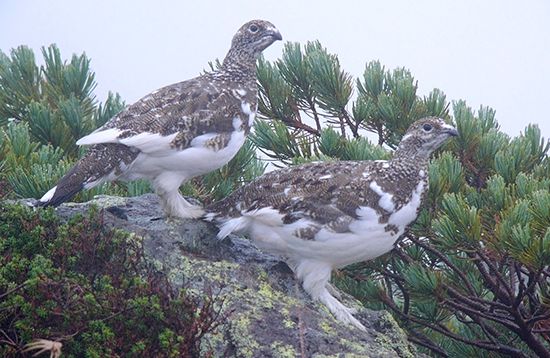
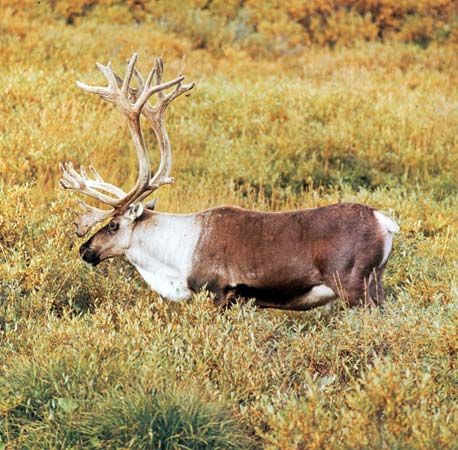
- Wildlife Adaptations: Many animals, such as reindeer and musk oxen, have evolved larger body sizes to conserve heat. Others, like foxes and ptarmigans, utilize seasonal color changes for camouflage in the snow.9
- Human Adaptation: Traditionally, Inuit life was entirely adapted to the ice-bound environment, relying on hunting marine mammals and caribou for survival. While modern technology—such as snowmobiles and rifles—has transformed daily life, the changing climate continues to pose significant challenges to traditional practices, food security, and the overall resilience of Arctic ecosystems.81011
Who was Sir William Parry and what were his expeditions?
Sir William Parry was a prominent British naval officer and explorer who led several significant 19th-century expeditions in search of the Northwest Passage.1314
His primary expeditions included:
- 1819–1820: Serving as a captain, Parry led a voyage through Lancaster Sound to Melville Island, where his crew wintered. This expedition was notable for its progress into the Canadian Arctic Archipelago.14
- 1821–1823: Parry attempted to find a route through the Foxe Basin but was ultimately blocked by ice in the narrow Fury and Hecla Strait, which he named after his two ships.14
- 1824–1825: On his third voyage, Parry explored Prince Regent Inlet in another attempt to navigate the passage.14
Although Parry’s expeditions failed to discover a navigable Northwest Passage, they contributed significantly to the mapping of the Arctic and the geographic understanding of the region.1314
Sources
- Cornwallis Island — Encyclopædia Britannica
- Parry Islands — Encyclopædia Britannica
- Parry Islands — Merriam-Webster
- Melville Island — Encyclopædia Britannica
- Bathurst Island — Encyclopædia Britannica
- Arctic - Climate of the Arctic — Encyclopædia Britannica
- Tundra - Arctic mammals — Encyclopædia Britannica
- Tundra - Effects of human activities and climate change — Encyclopædia Britannica
- Polar ecosystem - Development and structure of populations and communities — Encyclopædia Britannica
- Inuit — Encyclopædia Britannica
- Nunavut - Transportation and telecommunications — Encyclopædia Britannica
- Arctic - Water transport — Encyclopædia Britannica
- European exploration - The northern passages — Encyclopædia Britannica
- Arctic - 19th-century attempts at the passage — Encyclopædia Britannica
Published on · 3 min read