Bathurst Island
Scientific research on Bathurst Island in the Canadian Arctic has been centered at the Polar Bear Pass National Wildlife Area. Established in 1990, this area…
Are there any notable scientific studies or expeditions that have taken place on Bathurst Island?
Scientific research on Bathurst Island in the Canadian Arctic has been centered at the Polar Bear Pass National Wildlife Area. Established in 1990, this area has hosted a dedicated wildlife research station since 1968 to study the region’s unique Arctic ecosystem.1
While there have been numerous historical expeditions throughout the Canadian Arctic archipelago—such as those led by Vilhjalmur Stefansson and various government surveys—the specific scientific focus on Bathurst Island remains most notably linked to the long-term biological and environmental monitoring conducted at the Polar Bear Pass station.12
Please note that there is another Bathurst Island located in Australia’s Northern Territory, which is primarily recognized for its history with the Aboriginal Tiwi people and its role during World War II, rather than as a hub for scientific research expeditions.3
What is the historical significance of Bathurst Island in Arctic exploration?
Bathurst Island, located in the Canadian Arctic, holds historical significance primarily due to its discovery during the 19th-century search for the Northwest Passage.
The island was discovered in 1819 by the British explorer Sir William Parry. He named the island in honor of Henry Bathurst, the 3rd Earl Bathurst, who served as the British secretary for war and the colonies at the time. Parry’s expedition was part of the broader, centuries-long effort by Western explorers to navigate the treacherous channels of the Arctic Archipelago to find a viable commercial sea route between the Atlantic and Pacific oceans.
While Bathurst Island itself is not a permanent settlement, its discovery contributed to the growing body of geographical knowledge that eventually mapped the complex waterways of the Canadian North. In more recent history, the island has gained scientific importance through the Polar Bear Pass National Wildlife Area, which has hosted a dedicated wildlife research station since 1968 to study the Arctic ecosystem.
How does Bathurst Island fit into the broader ecosystem of the Canadian Arctic Archipelago?
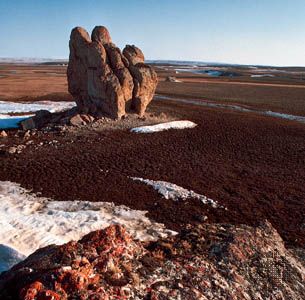
Bathurst Island is a significant component of the Arctic Archipelago, situated in the Nunavut territory between Cornwallis and Melville islands. As part of the broader Arctic region, it functions as a critical site for understanding the tundra ecosystem and the impacts of climate change1.15
The island’s ecological importance is highlighted by the Polar Bear Pass National Wildlife Area, which spans the center of the island and has hosted a wildlife research station since 1968. This station provides essential data on how Arctic species adapt to their environment.1
More broadly, Bathurst Island is subject to the same environmental pressures affecting the entire Arctic ecosystem, including:
- Sensitivity to Warming: The Arctic is experiencing temperature increases significantly higher than the global average, which threatens the integrity of tundra habitats.5
- Permafrost Dynamics: Like much of the region, the island’s soil contains permafrost that stores vast amounts of carbon; its thawing poses a risk of releasing greenhouse gases.5
- Sea Ice Changes: The surrounding waters are influenced by the rapid reduction of sea ice, which alters local albedo and affects the resilience of the entire Arctic ecosystem.65
What types of wildlife can be found on Bathurst Island?
Bathurst Island is located in the Canadian High Arctic, an environment characterized by limited biodiversity compared to more temperate regions. As part of the High Arctic ecosystem, the island supports a specialized range of wildlife adapted to harsh, cold conditions.91
Mammals
The mammalian fauna on Bathurst Island is limited to species capable of surviving in the extreme High Arctic. Key herbivores and their predators include:
- Herbivores: The musk ox, Peary caribou, Arctic hare, and collared lemming.9
- Predators: The wolf, Arctic fox, wolverine, and ermine.9
- Marine Mammals: The polar bear, which primarily inhabits the sea ice to hunt seals, may occasionally be found on land, particularly where females den to raise their young.9
Birds
Avian life on the island consists of a few resident species and a larger number of migratory birds that arrive during the summer to breed.
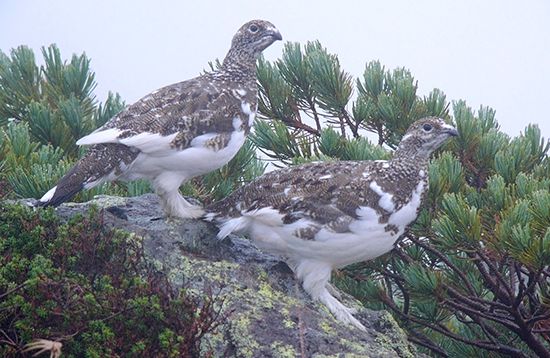
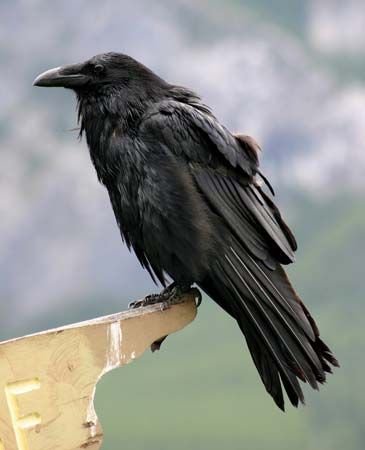
- Resident Species: These include the ptarmigan, snowy owl, gyrfalcon, and raven.9
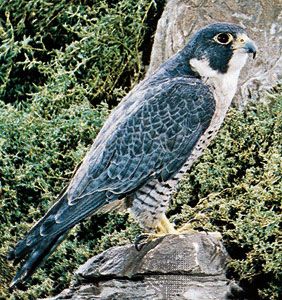
- Migratory Species: Many shorebirds and waterfowl nest in the island’s wet meadows and coastal areas. Additionally, raptors such as the peregrine falcon and various jaegers are known to nest in the region, often preying on lemmings or other birds during the breeding season.9
The Polar Bear Pass National Wildlife Area, which spans the center of the island, serves as a vital hub for ongoing research into these species and their adaptation to the Arctic environment.91
Sources
- Bathurst Island — Encyclopædia Britannica
- Arctic - The North American Arctic — Encyclopædia Britannica
- Bathurst Island — Encyclopædia Britannica
- Northwest Passage — Encyclopædia Britannica
- Arctic Archipelago — Encyclopædia Britannica
- sea ice - The emerging impacts of recent changes to sea ice — Encyclopædia Britannica
- Alexander Archipelago — Encyclopædia Britannica
- Tundra - Effects of human activities and climate change — Encyclopædia Britannica
- Polar ecosystem - Biota of the Arctic — Encyclopædia Britannica
Published on · 3 min read