Eurasian Magpie: A True Bird Brain
The Eurasian magpie is widely recognized as one of the most intelligent animals in existence, earning it the reputation of a "true bird brain." While often…
What is Eurasian Magpie: A True Bird Brain?
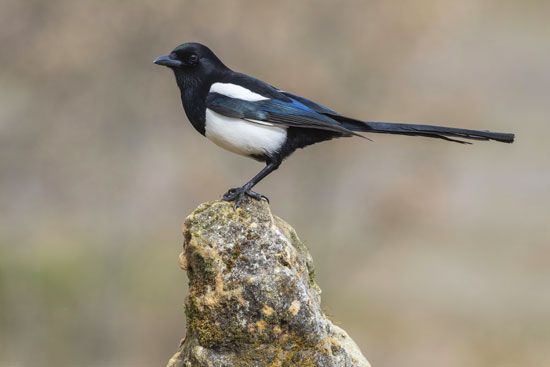
The Eurasian magpie is widely recognized as one of the most intelligent animals in existence, earning it the reputation of a “true bird brain.” While often surrounded by folklore and superstition, its true marvel lies in its remarkable cognitive abilities.1
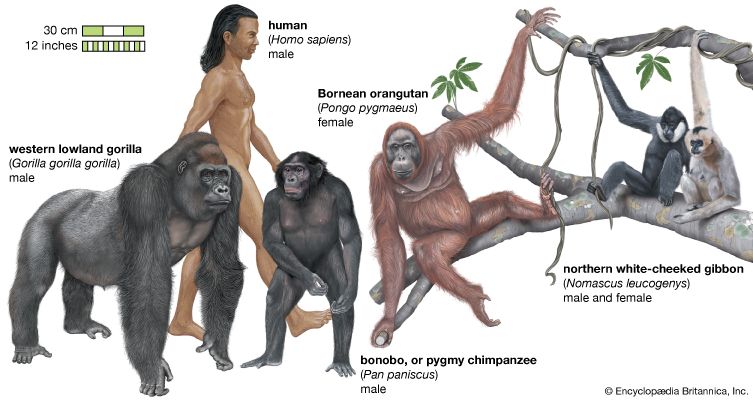
The species possesses a brain-to-body-mass ratio comparable to that of great apes and aquatic mammals, surpassed only by humans. Their intelligence is demonstrated through several complex behaviors:1
- Self-Recognition: They are among the few species capable of passing the “mirror test,” proving they can recognize themselves in a reflection.1
- Tool Use: Magpies demonstrate the ability to create and use tools, including crafting utensils to portion food for their young.1
- Social Complexity: They exhibit advanced social behaviors such as working in teams, playing games, imitating human speech, and even engaging in “funerals” where they gather around a deceased member of their group.1
These traits highlight the sophisticated animal intelligence found within the Corvidae family.21
What other animals can pass the mirror test?
The mirror test is a cognitive experiment used to determine if an animal possesses self-awareness by observing whether it can recognize itself in a reflection. To pass, an animal must demonstrate that it understands the reflection is its own, typically by attempting to remove a mark placed on its body that is visible only through the mirror.3
Beyond the Eurasian magpie, which is noted for its high level of intelligence, the ability to pass this test is quite rare in the animal kingdom. According to research, the following animals are also known to possess this degree of self-awareness:
- Elephants: These highly social and compassionate animals are capable of recognizing themselves in a mirror, a trait that distinguishes them from many other species, such as dogs and cats, which often react to their reflection as if it were another animal.4
- Bottlenose dolphins: These marine mammals exhibit the same level of self-awareness as elephants.4
While many animals demonstrate impressive problem-solving skills, tool use, and social complexity, the mirror test remains a specific benchmark for self-recognition.43
How does the brain-to-body-mass ratio compare to other birds?
The Eurasian magpie possesses a brain-to-body-mass ratio that is exceptionally high among birds. In fact, its ratio is comparable to that of great apes and aquatic mammals, being surpassed in the animal kingdom only by humans.1
While many birds exhibit varying levels of cognitive function, the magpie’s ratio places it among the most intelligent animals in existence, facilitating complex behaviors such as tool use, social cooperation, and self-recognition.1
What are some other examples of tool use in the animal kingdom?
Tool use is a fascinating indicator of intelligence in the animal kingdom, demonstrating an animal’s ability to manipulate its environment to solve problems or acquire resources. Beyond the well-documented behaviors of chimpanzees, several other species exhibit remarkable ingenuity:
- Crows: These birds have demonstrated advanced problem-solving skills, such as dropping pebbles into a water-filled cylinder to raise the water level and reach a floating reward, a task that requires an understanding of displacement.6
- Veined Octopuses: Recognized as the first documented example of tool use by an invertebrate, these animals have been observed excavating coconut shells from the ocean floor and carrying them to use as portable shelters.3
- Chimpanzees: Their repertoire is extensive and culturally transmitted. They use “fishing” probes made of grass or vines to extract termites, employ stones and wood as hammers and anvils to crack nuts, and utilize “leafy sponges” to soak up water for drinking. They are also known to use “tool sets” (using tools in succession) and “tool composites” (using tools in combination).7
- Goats: While not always classified as traditional tool users, they have shown impressive problem-solving abilities by learning to manipulate levers and ropes to access food rewards.6
Sources
- Magpie — Encyclopædia Britannica
- Eurasian Magpie: A True Bird Brain — Encyclopædia Britannica
- Which Animal Is the Smartest? — Encyclopædia Britannica
- Photoreception - Concave mirror eyes — Encyclopædia Britannica
- Animal behaviour - Cognitive mechanisms — Encyclopædia Britannica
- chimpanzee - Intelligence — Encyclopædia Britannica
- cephalopod - Behaviour — Encyclopædia Britannica
- Bird - Feeding habits — Encyclopædia Britannica
- Piciform - Form and function — Encyclopædia Britannica
Published on · 3 min read