Garcinia
Garcinia is a genus of approximately 250 species of trees and shrubs belonging to the family Clusiaceae. These plants are primarily found in tropical…
What is Garcinia?
Garcinia is a genus of approximately 250 species of trees and shrubs belonging to the family Clusiaceae. These plants are primarily found in tropical regions, particularly throughout the Paleotropics.1
Due to the significant diversity in their floral structures, the taxonomy of the genus remains a subject of debate. Many species hold value in local medicine, while others are cultivated for ornamental purposes or their edible fruit. The most notable member is the mangosteen (G. mangostana), prized for its fruit. Other varieties include the African mangosteen, the yellow mangosteen, and the South American bacupari. Additionally, the bark of certain species is used to produce gamboge, an orange dye.1
It is important to note that several species are currently endangered according to the IUCN Red List of Threatened Species, highlighting the ethical necessity of conservation efforts to protect these diverse tropical plants.1
What is a mangosteen and why is it famous?
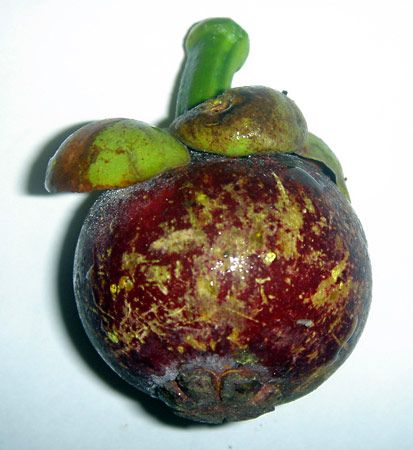
The mangosteen (Garcinia mangostana) is a tropical tree native to Southeast Asia, belonging to the Clusiaceae family. It is famous for its highly prized fruit, which is celebrated for its juicy, delicate texture and a unique, slightly astringent, tart-sweet flavor.2
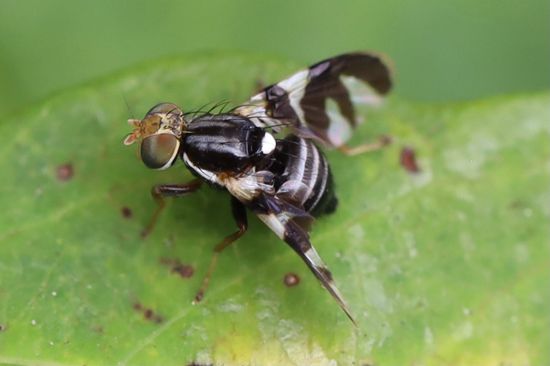
The fruit is visually distinct, featuring a thick, hard, deep red rind that protects segments of snow-white flesh. Beyond its culinary appeal, the mangosteen has gained attention for its use in traditional medicine. While it has been promoted as an alternative cancer treatment, it is important to note that there is a lack of clinical studies in humans to support these claims. Additionally, the fruit’s history in the United States is notable; its importation was illegal until 2007 due to concerns regarding the Asian fruit fly, and today, imports must be irradiated to ensure safety.2
How are dyes like gamboge extracted from plants?
Dyes and resins like gamboge are extracted from plants through various methods depending on the specific part of the plant and the nature of the substance being harvested.
For gamboge, which is a gum resin, the extraction process involves the following steps:
- Location: The substance is contained within ducts located in the middle layer of the bark of specific Southeast Asian trees, such as Garcinia xanthochymus and G. hanburyi.3
- Incisions: Collectors make incisions in the tree’s bark to stimulate the flow of the plant’s juice.3
- Collection: The fluid is collected as it exudes from these cuts. Once it hardens, it forms the brittle, orange-to-brown resin known as gamboge.3
In contrast, other natural dyes are obtained through different techniques:
- Root and Bark Extraction: Dyes like alizarin are extracted from the roots of plants, while others, such as quercetin, are derived from the bark of trees.4
- Heartwood Processing: Logwood dye is obtained from the heartwood of the tree, which is processed to isolate the colorant.4
- Resin Formation: Generally, many natural resins are secreted by trees as a response to injury, such as wind or fire, and are then harvested after the fluid loses its volatile components through evaporation.5
What does it mean for a plant species to be critically endangered?
A plant species is classified as critically endangered when it faces an extremely high risk of extinction in the wild, representing the most serious category of threat before a species is considered “extinct in the wild” by the International Union for Conservation of Nature (IUCN).78
To receive this designation, a species must meet specific quantitative criteria assessed by scientists, including:
- Rapid Population Decline: A decrease of 80 to 90 percent or more over the previous 10 years or three generations.78
- Small Population Size: A total of fewer than 250 mature individuals, or in more severe cases, fewer than 50 mature individuals.78
- Restricted Range: The species is found in an area smaller than 10 square km (about 4 square miles).7
- High Probability of Extinction: Quantitative analysis indicates a greater than 50 percent likelihood of extinction within 10 years or three generations.7
The primary drivers of this status are human-led activities, most notably habitat loss, the introduction of invasive species, pollution, global warming, and overexploitation.7
Sources
- Garcinia — Encyclopædia Britannica
- mangosteen — Encyclopædia Britannica
- gamboge — Encyclopædia Britannica
- dye - Natural dyes — Encyclopædia Britannica
- gamboge — Merriam-Webster
- resin — Encyclopædia Britannica
- critically endangered species — Encyclopædia Britannica
- endangered species - IUCN Red List of Threatened Species — Encyclopædia Britannica
- Extinct in the Wild but Still Around: 5 Plants and Animals Kept Alive by Humans — Encyclopædia Britannica
- conservation - Habitat protection — Encyclopædia Britannica
Published on · 3 min read