Lousewort
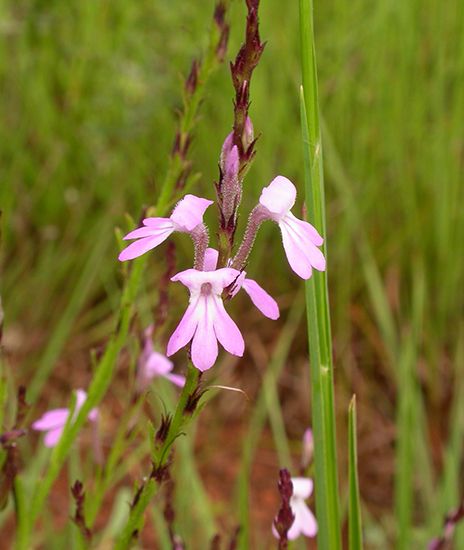
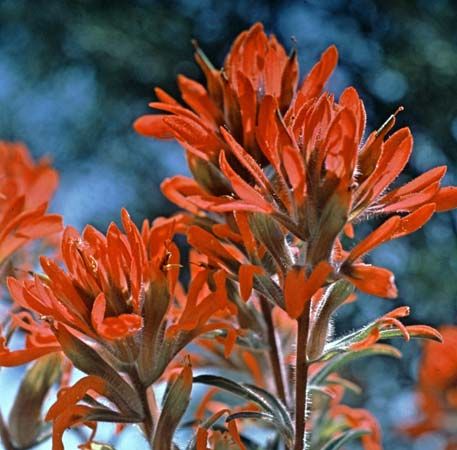
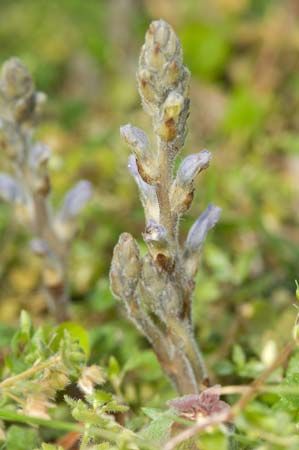
Lousewort refers to any herbaceous plant belonging to the genus Pedicularis within the Orobanchaceae family. This genus comprises approximately 800 species…
What is Lousewort?
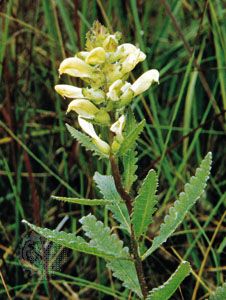
Lousewort refers to any herbaceous plant belonging to the genus Pedicularis within the Orobanchaceae family. This genus comprises approximately 800 species, which are primarily distributed throughout the Northern Hemisphere, with a high concentration in the mountainous regions of Central and eastern Asia.1
These plants are characterized by their bilaterally symmetrical, often highly irregular flowers, which are typically arranged in terminal spikes. A notable example is the little elephant (P. groenlandica), named for the resemblance of its pink flowers to an elephant’s head, trunk, and ears.12
A defining feature of louseworts is that they are semiparasitic on the roots of other plants. Because of this biological dependency, they are notoriously difficult to cultivate in home gardens. The name Pedicularis is derived from the Latin word for louse, reflecting a historical association with the plant.13
How do semiparasitic plants get nutrients from their hosts?
Semiparasitic plants, also known as hemiparasites, obtain nutrients from their hosts through a specialized organ called a haustorium. While these plants contain chlorophyll and are capable of photosynthesis, they rely on their host plants primarily to supplement their intake of water and mineral nutrients.45
The haustorium is a highly modified root or stem structure that penetrates the tissues of the host plant. Once inside, it forms a vascular union—a direct physical connection—between the parasite and the host. This connection allows the parasite to effectively redirect and absorb the host’s resources for its own growth and survival. Because this process involves the direct extraction of nutrients from another organism without providing a benefit in return, it is considered a parasitic relationship, even though the plant retains some autotrophic capabilities.64
Why is the little elephant lousewort named that way?
The little elephant lousewort (Pedicularis groenlandica), also known as the elephant’s-head, is named for the distinctive shape of its flowers. The plant’s crimson or pink blossoms are structured in such a way that they resemble the head, trunk, and ears of an elephant.71
What other plants belong to the Orobanchaceae family?
The Orobanchaceae family, also known as the broomrape family, is the largest group of parasitic plants, comprising approximately 100 genera and 2,300 species. While many members are parasitic, the family includes a diverse range of plants, including hemiparasites that perform photosynthesis and a few non-parasitic species.8
Key genera within the family include:
- Hemiparasites: These include Indian paintbrush (Castilleja), lousewort (Pedicularis), Agalinis, Buchnera, and Euphrasia.8
- Holoparasites: These obligate parasites, which lack significant chlorophyll, include broomrape (Orobanche), Phelipanche, Bartsia, Rhinanthus, beechdrops (Epifagus), Aeginetia, Christisonia, witchweeds (Striga), and Alectra.8
- Non-parasitic members: The genera Lindenbergia and Rehmannia are notable for being among the few members of the family that do not parasitize other plants.8
Many of these plants are recognized as significant agricultural pests, particularly those that target crops like corn, tomatoes, and legumes.8
Sources
- Lousewort — Encyclopædia Britannica
- lousewort — Merriam-Webster
- Pedicularis — Merriam-Webster
- Haustorium — Encyclopædia Britannica
- Parasitic plant — Encyclopædia Britannica
- semiparasitic — Merriam-Webster
- elephant's-head — Merriam-Webster
- Orobanchaceae — Encyclopædia Britannica
- Orobanchaceae — Merriam-Webster
Published on · 2 min read