Motmot
A motmot is any of approximately 10 species of long-tailed forest birds belonging to the family Momotidae, found in Central and South America. These birds…
What is Motmot?
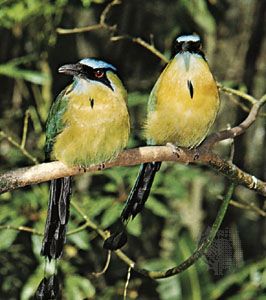
A motmot is any of approximately 10 species of long-tailed forest birds belonging to the family Momotidae, found in Central and South America. These birds typically measure between 17 and 50 cm (6.5 to 20 inches) in length and are characterized by their brownish-green plumage, often accented with bright blue on the head or wings.12
A distinctive feature of six motmot species is their central tail feathers, which are elongated and become “racket-tipped” as brittle barbs along the shaft break off during preening. Motmots are known for their habit of swinging their tails from side to side or holding them askew while perched. They feed on flying insects, invertebrates, and small vertebrates, and they typically nest in holes excavated in sandbanks.1
It is important to distinguish the motmot from the marmot, which is a completely different animal—a large ground-dwelling rodent in the squirrel family.3
How do motmots get their unique racket-tipped tail feathers?
The unique racket-tipped appearance of a motmot’s central tail feathers is not present when the feathers first grow. Instead, this feature is acquired through the bird’s own grooming behavior.
As the bird preens, the barbs (the fine, branch-like structures) along the central portion of the elongated tail feather shafts are very brittle. These barbs eventually snap off, leaving the bare shaft exposed and creating the characteristic racket-shaped tip at the end of the feather.1
What other types of birds belong to the order Coraciiformes?
The order Coraciiformes is a diverse group of birds comprising 10 families. While they are united by specific internal anatomical features, they exhibit significant variation in size and appearance.45
The families within this order include:
- Kingfishers: Known for their hunting behavior, some species plunge headfirst into water to catch fish.4
- Todies: Small birds that represent some of the tiniest members of the order.45
- Motmots: Forest-dwelling birds of the Americas known for their unique racket-tipped tail feathers.46
- Bee-eaters: Highly colorful birds often noted for their vibrant plumage.45
- Rollers: Named for the acrobatic dives and somersaults performed during courtship displays.41
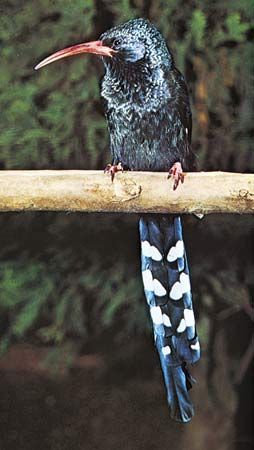
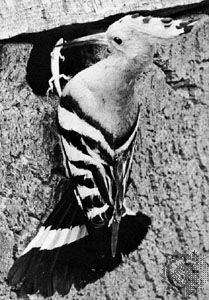
- Hoopoes and Wood Hoopoes: Distinctive birds sometimes grouped with other families depending on the classification system.47
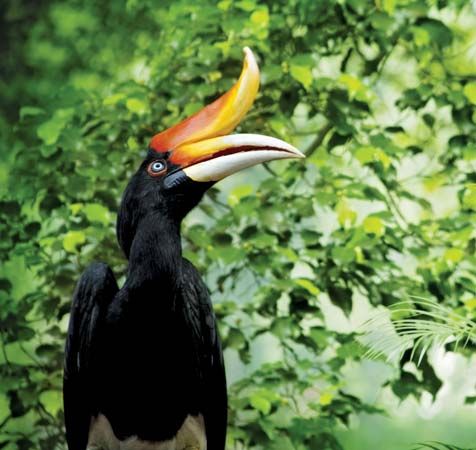
- Hornbills: The largest members of the order, often characterized by striking patterns and specialized beak ornamentation.45
Some authorities also include ground rollers and cuckoo rollers within these groupings, though the exact hierarchical relationships remain a subject of scientific discussion.17
How do motmots protect their nests in sandbanks?
Motmots protect their nests by digging them as holes in sandbanks using their downcurved bills. The provided information does not specify further defensive behaviors or protective mechanisms used by motmots to guard these nesting sites.1
Sources
- Motmot — Encyclopædia Britannica
- motmot — Merriam-Webster
- marmot — Encyclopædia Britannica
- Coraciiform — Encyclopædia Britannica
- Roller — Encyclopædia Britannica
- Coraciiform - Critical appraisal — Encyclopædia Britannica
- Coraciiform - Size and plumage — Encyclopædia Britannica
- Charadriiform - Shorebirds (suborder Charadrii) — Encyclopædia Britannica
Published on · 2 min read