Tody
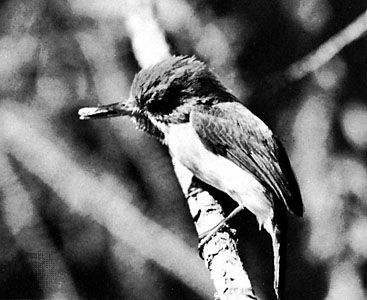
A tody is any of five species of small, brilliantly colored forest birds that make up the genus Todus within the order Coraciiformes.
What is Tody?
A tody is any of five species of small, brilliantly colored forest birds that make up the genus Todus within the order Coraciiformes.1
These birds are native to the West Indies, with populations found on Cuba, Puerto Rico, Jamaica, and Hispaniola and Hispaniola. Measuring approximately 9 to 12 cm (3.5 to 5 inches) in length, they are characterized by their grass-green backs and bright red bibs. Todies are insectivores that catch their prey on the wing and typically nest in small burrows dug into sandbanks.1
What other birds belong to the order Coraciiformes?
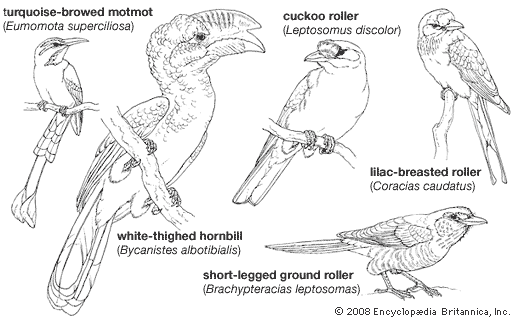
The order Coraciiformes is a diverse group comprising 10 families of birds. Beyond the todies, the order includes the following groups:
- Kingfishers: Known for their hunting behavior, some species plunge headfirst into water to catch fish, while others are known for their bright, metallic plumage.23
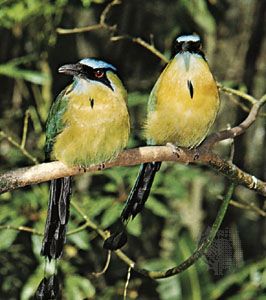
- Motmots: Primarily found in Central and South America, these birds are closely related to the ancestral stock of kingfishers.4
- Bee-eaters: Renowned for their brilliant, multi-colored plumage, these birds are highly diverse in the Old World tropics.34
- Rollers: A group of colorful, rollerlike birds that include specialized families such as the ground roller and cuckoo roller found in Madagascar.24
- Hoopoes: Including the widespread common hoopoe and the wood hoopoe common hoopoe and the wood hoopoe.24
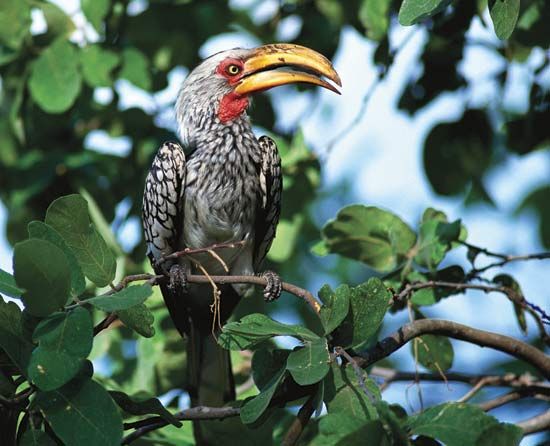
- Hornbills: The largest members of the order, often recognized by their distinctive beaks and unique nesting behaviors, such as sealing the female inside the nest.23
How do todies catch insects while flying?
Todies catch their prey “on the wing,” which means they capture insects while in flight. They typically hunt by waiting on a perch and then darting out to snatch insects from the air or from the undersides of leaves.1
Why do todies build their nests in sandbanks?
Todies are small, insectivorous birds native to the West Indies that belong to the order Coraciiformes. These birds are known for digging tiny nest burrows into sandbanks.51
While specific evolutionary reasons for this behavior are not detailed in the provided search results, burrowing into banks is a common nesting strategy among various members of the Coraciiformes order, such as bee-eaters and certain kingfishers. These structures provide a protected, enclosed environment for the birds to lay their eggs and rear their young, shielding them from external elements and potential predators.678
Sources
- Tody — Encyclopædia Britannica
- Coraciiform — Encyclopædia Britannica
- Coraciiform - Size and plumage — Encyclopædia Britannica
- Coraciiform - Evolution and paleontology — Encyclopædia Britannica
- Nest — Encyclopædia Britannica
- Coraciiform - Habitat selection and ecological diversity — Encyclopædia Britannica
- Bird - Nesting — Encyclopædia Britannica
- tody — Merriam-Webster
Published on · 2 min read